Department of Cell Biology, Duke University Medical Center, Durham, North Carolina 27710, USA.
Annu Rev Cell Dev Biol. 2009;25:457-82. doi: 10.1146/annurev.cellbio.042308.13350.
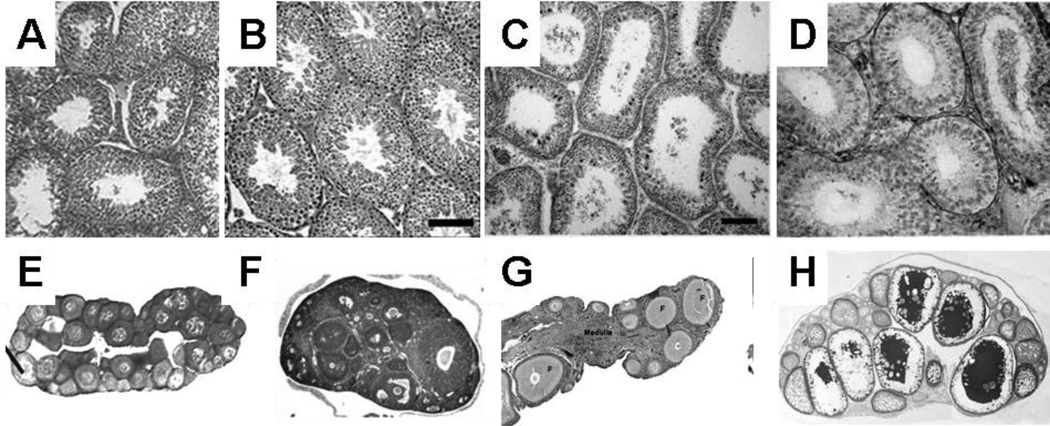
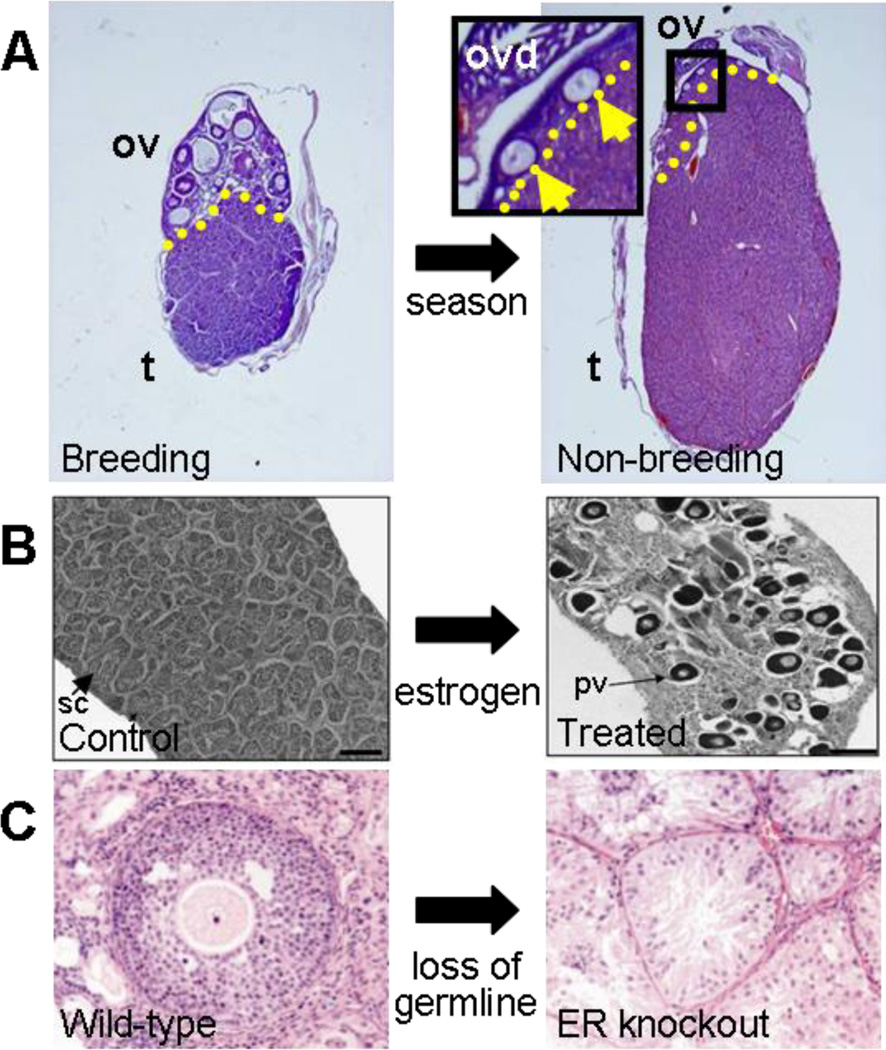
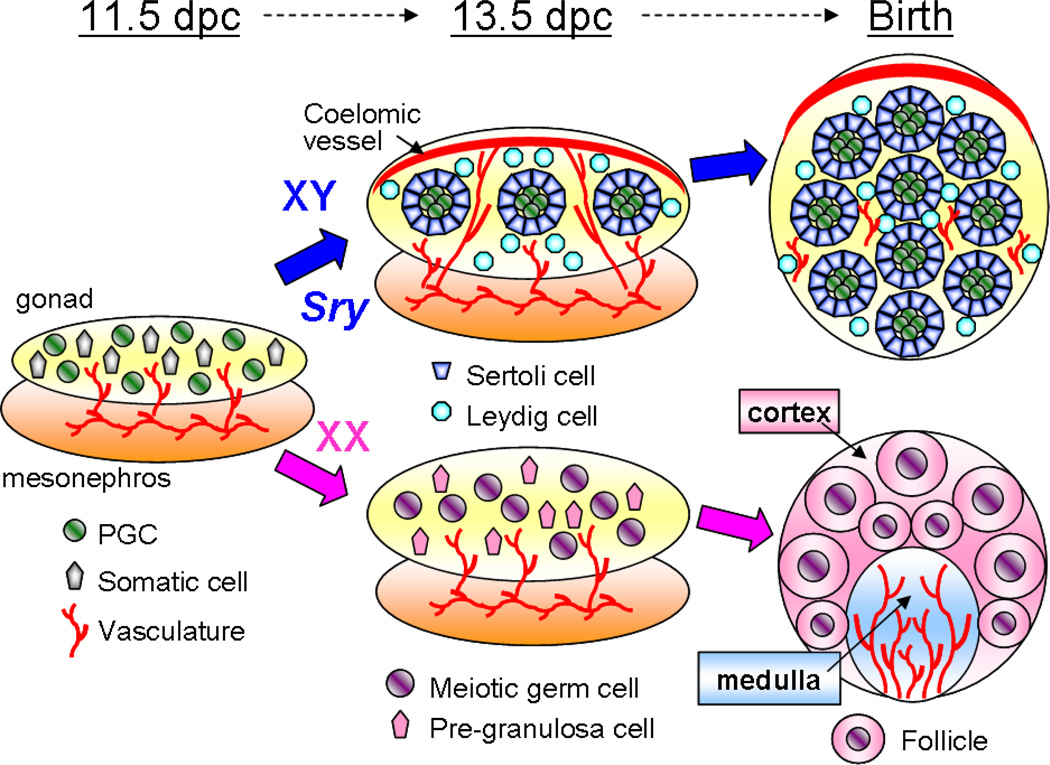
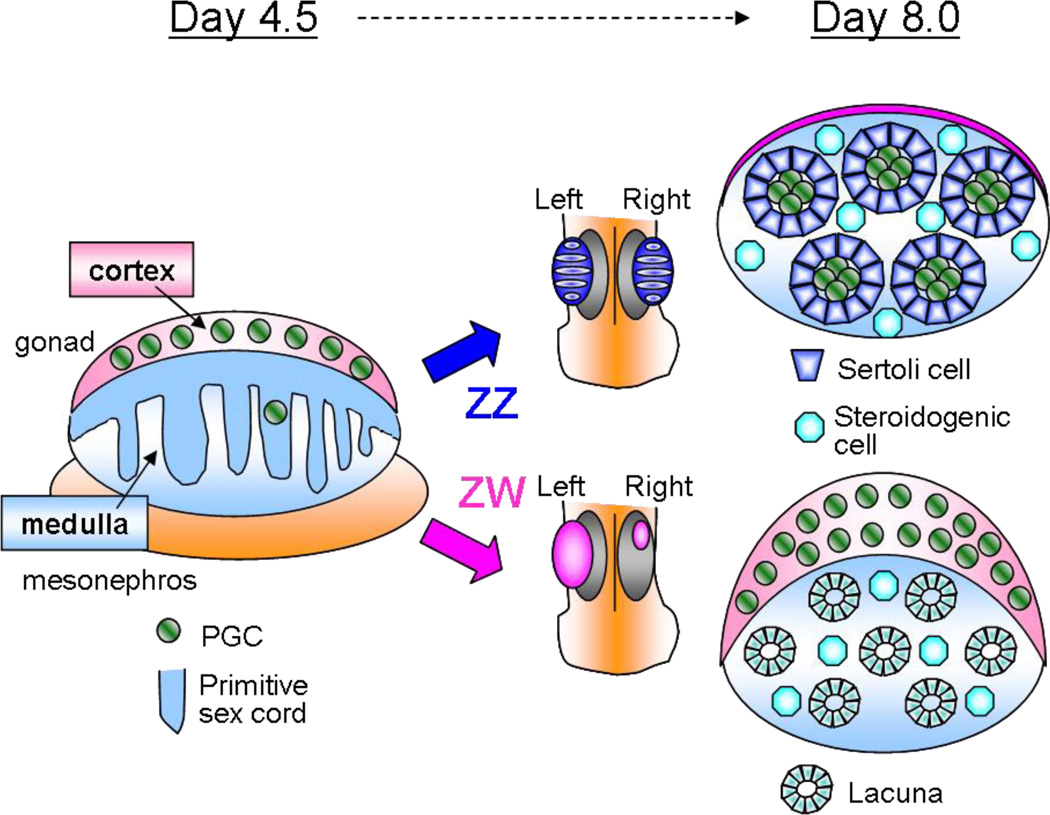
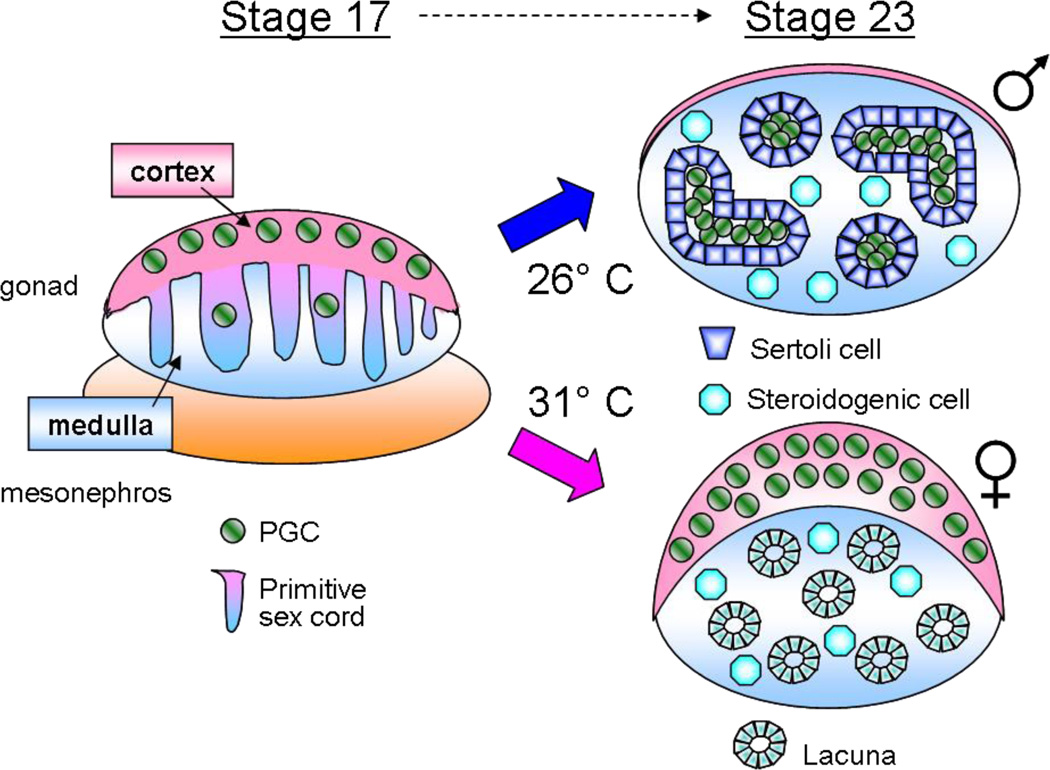
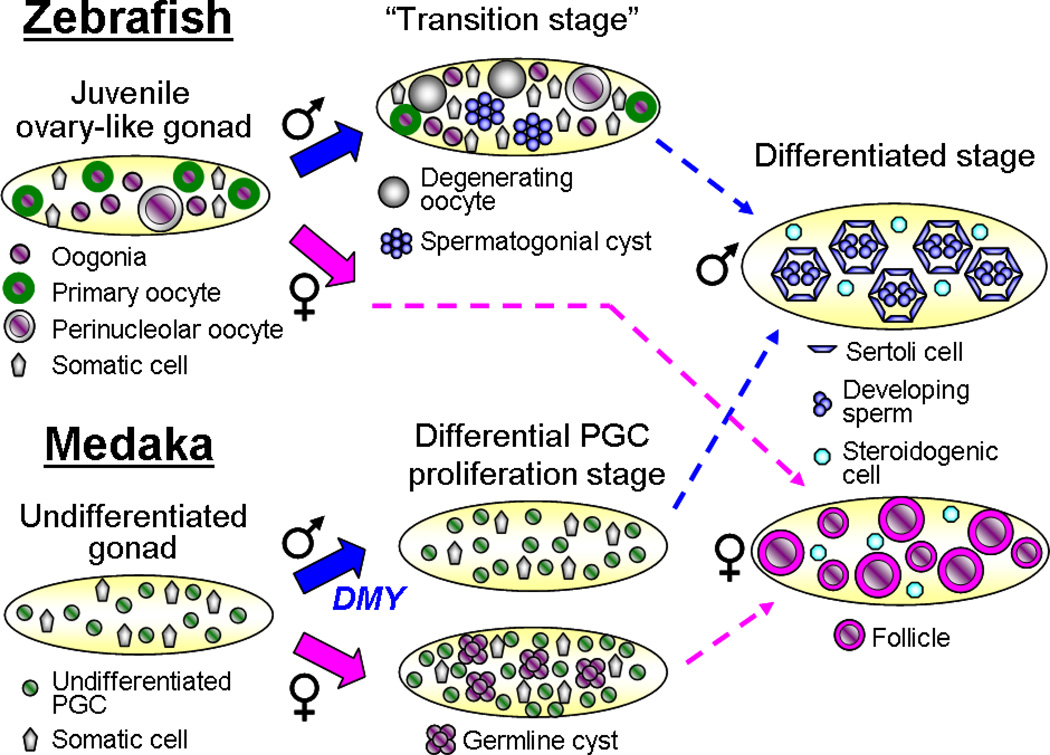
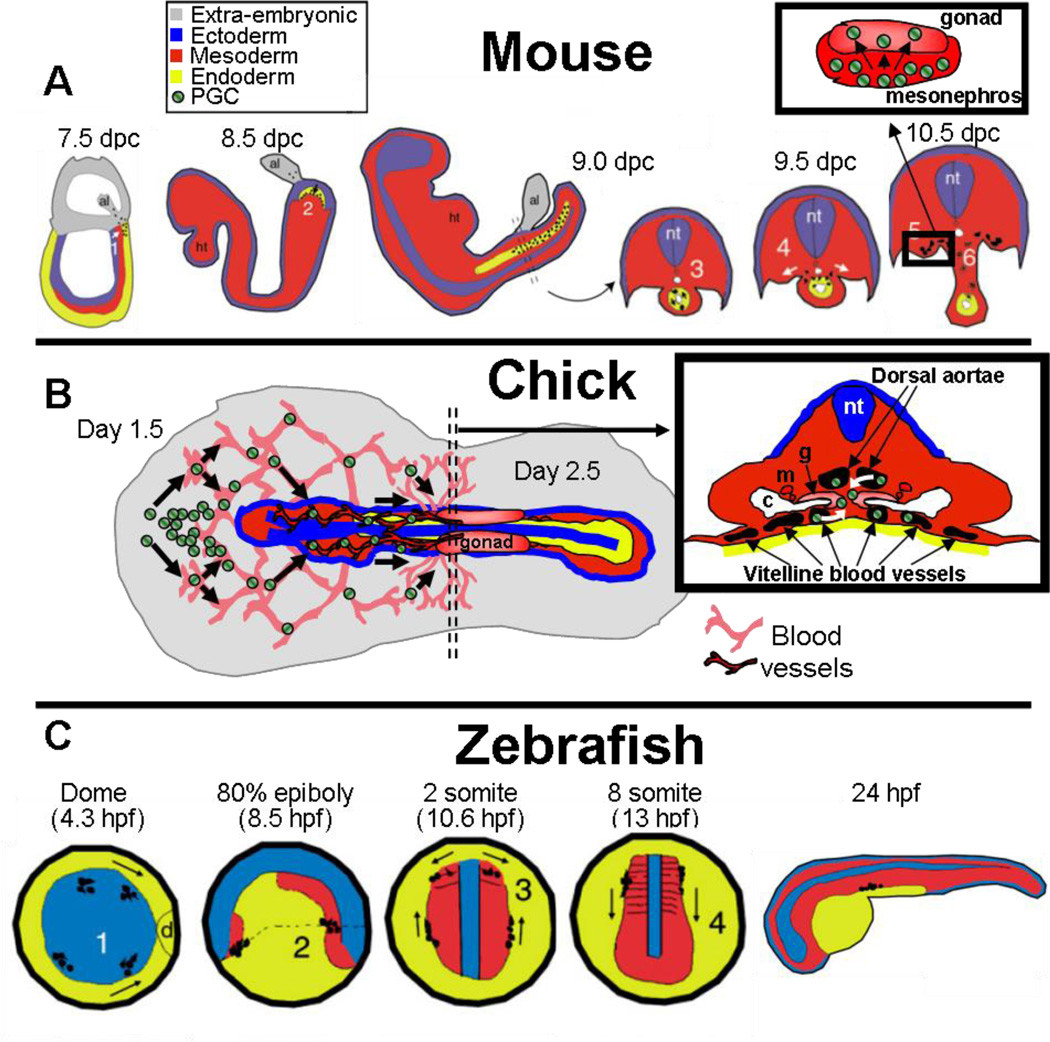
A critical element of successful sexual reproduction is the generation of sexually dimorphic adult reproductive organs, the testis and ovary, which produce functional gametes. Examination of different vertebrate species shows that the adult gonad is remarkably similar in its morphology across different phylogenetic classes. Surprisingly, however, the cellular and molecular programs employed to create similar organs are not evolutionarily conserved. We highlight the mechanisms used by different vertebrate model systems to generate the somatic architecture necessary to support gametogenesis. In addition, we examine the different vertebrate patterns of germ cell migration from their site of origin to colonize the gonad and highlight their roles in sex-specific morphogenesis. We also discuss the plasticity of the adult gonad and consider how different genetic and environmental conditions can induce transitions between testis and ovary morphology.
成功的有性繁殖的一个关键要素是产生具有性二态性的成体生殖器官,即睾丸和卵巢,它们产生有功能的配子。对不同脊椎动物物种的研究表明,不同进化类群的成体性腺在形态上非常相似。然而,令人惊讶的是,用于创建相似器官的细胞和分子程序在进化上并不保守。我们强调了不同脊椎动物模型系统用于生成支持配子发生所需的体节结构的机制。此外,我们还研究了不同脊椎动物种系的生殖细胞从起源部位迁移到性腺定植的方式,并强调了它们在性别特异性形态发生中的作用。我们还讨论了成体性腺的可塑性,并考虑了不同的遗传和环境条件如何诱导睾丸和卵巢形态之间的转变。