D'Urso Pietro Ivo, D'Urso Oscar Fernando, Marsigliante Santo, Storelli Carlo, Distante Alessandro, Sanguedolce Francesca, Cimmino Antonia, Luzi Giuseppe, Gianfreda Cosimo Damiano, Montinaro Antonio, Ciappetta Pasqualino
J Med Case Rep. 2009 Jun 15;3:7225. doi: 10.4076/1752-1947-3-7225.
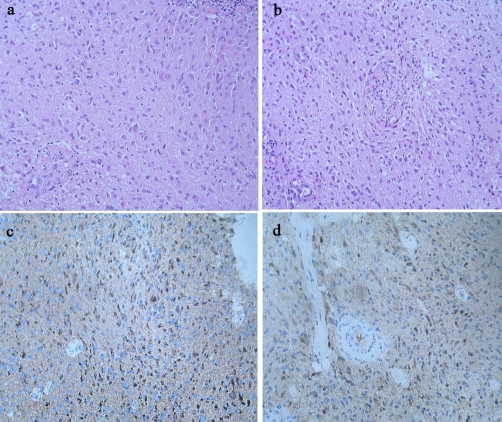
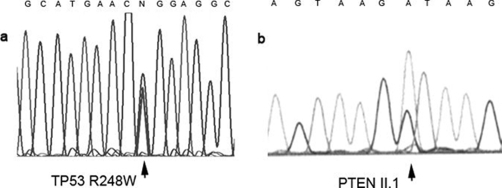
TWO TYPES OF GLIOMATOSIS CEREBRI EXIST: Type I and Type II. We report the results of a histological and genetic study of two cases of gliomatosis cerebri Type II, correlating these results with therapy and prognosis.
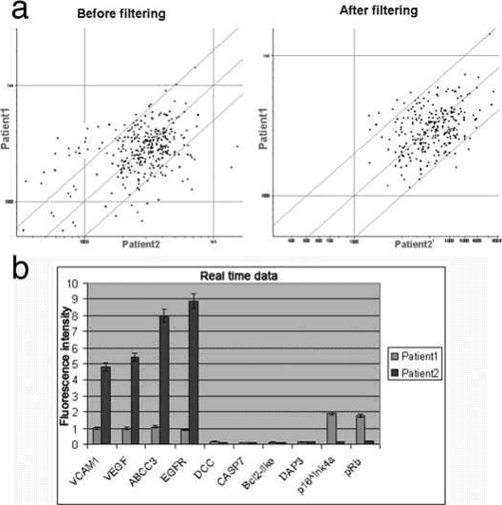
Two patients, a 52-year-old man (Patient 1) and a 76-year-old man (Patient 2) with gliomatosis cerebri II were admitted to our institution; they underwent surgical treatment and received radiotherapy and chemotherapy. At the 24-month follow-up, Patient 1 was still alive, while Patient 2 had died. The poor prognosis of Patient 2 was underlined by molecular analysis which showed that the angiogenesis related genes VCAM1 and VEGF were overexpressed, reflecting the high degree of neovascularization.
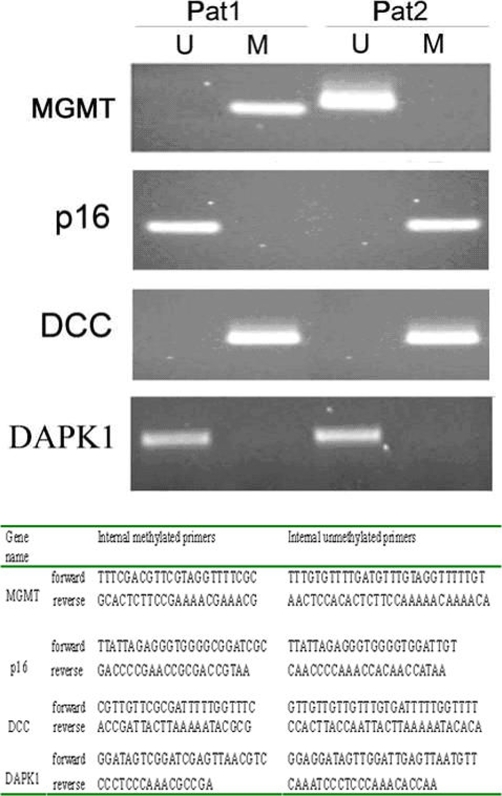
Genes involved in drug resistance and metallothioneins were highly expressed in Patient 2 and this, associated with unmethylated O6-methylguanine methyltransferase, can explain the lack of response to chemotherapy.
脑胶质瘤病存在两种类型:I型和II型。我们报告了两例II型脑胶质瘤病的组织学和遗传学研究结果,并将这些结果与治疗及预后相关联。
两名患有II型脑胶质瘤病的患者,一名52岁男性(患者1)和一名76岁男性(患者2)入住我们机构;他们接受了手术治疗,并接受了放疗和化疗。在24个月的随访中,患者1仍然存活,而患者2已经死亡。分子分析突显了患者2的预后不良,该分析显示血管生成相关基因VCAM1和VEGF过表达,反映出高度的新生血管形成。
与耐药性相关的基因和金属硫蛋白在患者2中高度表达,这与未甲基化的O6-甲基鸟嘌呤甲基转移酶相关,可解释对化疗缺乏反应的原因。