Department of Physiology and Biophysics, University of Arkansas for Medical Sciences, Little Rock, Arkansas 72202, USA.
J Endocrinol. 2010 Mar;204(3):223-31. doi: 10.1677/JOE-09-0329. Epub 2009 Oct 15.
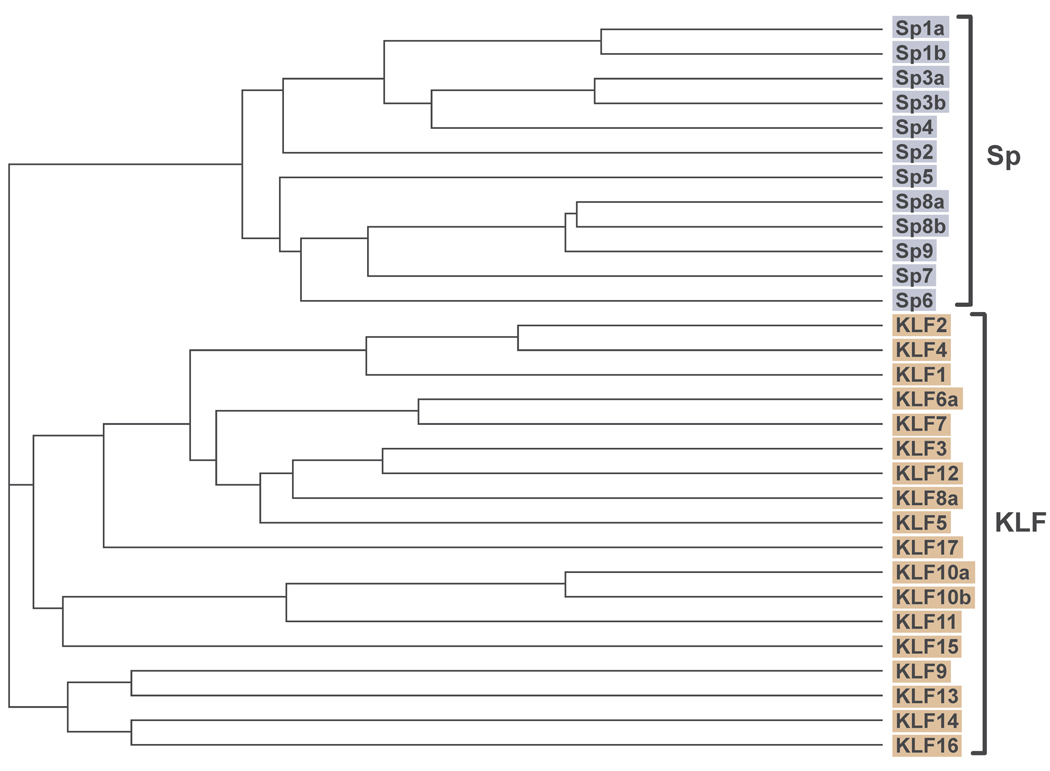
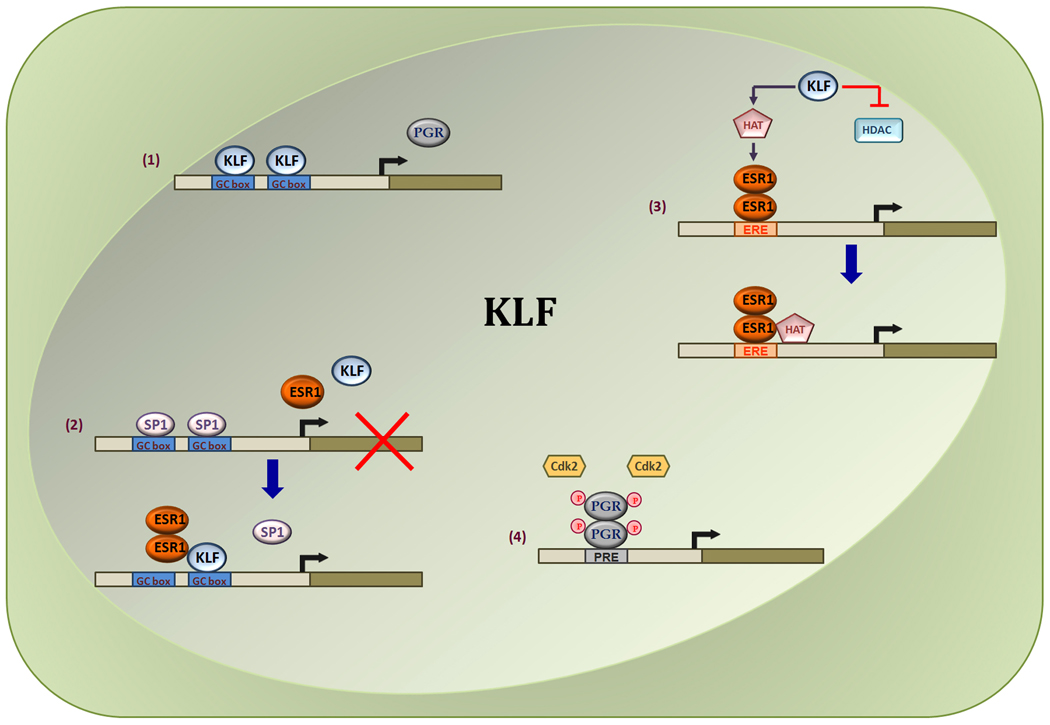
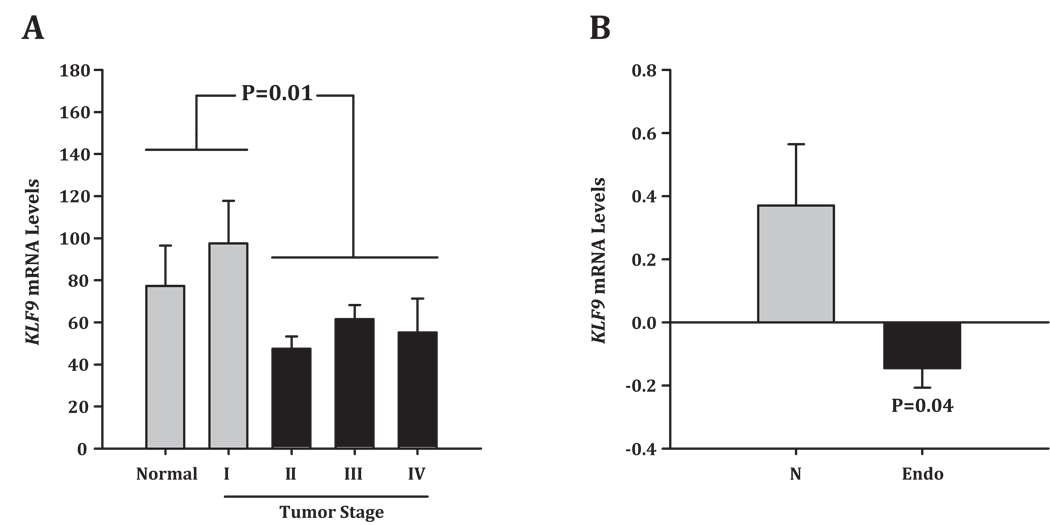
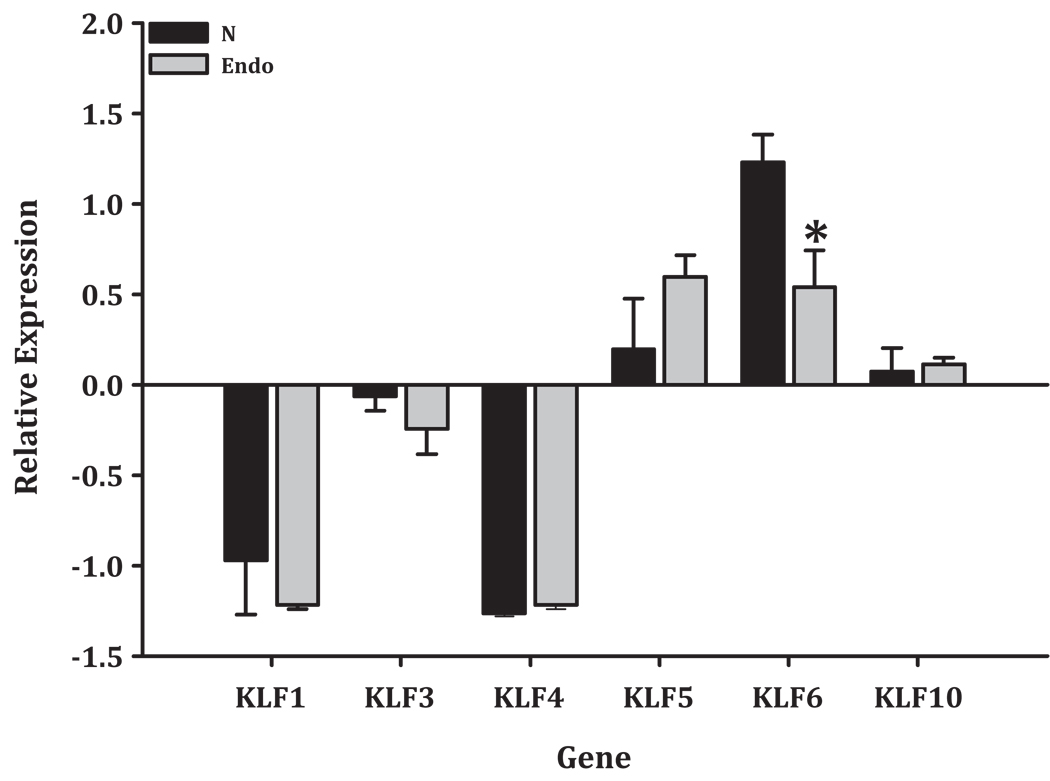
Krüppel-like factors (KLFs), of which there are currently 17 known protein members, belong to the specificity protein (Sp) family of transcription factors and are characterized by the presence of Cys(2)/His(2) zinc finger motifs in their carboxy-terminal domains that confer preferential binding to GC/GT-rich sequences in gene promoter and enhancer regions. While previously regarded to simply function as silencers of Sp1 transactivity, many KLFs are now shown to be relevant to human cancers by their newly identified abilities to mediate crosstalk with signaling pathways involved in the control of cell proliferation, apoptosis, migration, and differentiation. Several KLFs act as tumor suppressors and/or oncogenes under distinct cellular contexts, underscoring their prognostic potential for cancer survival and outcome. Recent studies suggest that a number of KLFs can influence steroid hormone signaling through transcriptional networks involving steroid hormone receptors and members of the nuclear receptor family of transcription factors. Since inappropriate sensitivity or resistance to steroid hormone actions underlies endocrine-related malignancies, we consider the intriguing possibility that dysregulation of expression and/or activity of KLF members is linked to the pathogenesis of endometrial and breast cancers. In this review, we focus on recently described mechanisms of actions of several KLFs (KLF4, KLF5, KLF6, and KLF9) in cancers of the mammary gland and uterus. We suggest that understanding the mode of actions of KLFs and their functional networks may lead to the development of novel therapeutics to improve current prospects for cancer prevention and cure.
Krüppel 样因子(KLFs)是目前已知的 17 种蛋白成员,属于特异性蛋白(Sp)家族的转录因子,其特征是在羧基末端结构域存在 Cys(2)/His(2)锌指基序,该基序优先结合基因启动子和增强子区域中 GC/GT 丰富的序列。虽然之前认为它们只是作为 Sp1 转录活性的沉默因子发挥作用,但许多 KLFs 通过其新鉴定的能力与参与细胞增殖、凋亡、迁移和分化控制的信号通路进行串扰,现在被证明与人类癌症有关。在不同的细胞环境下,有几个 KLFs 作为肿瘤抑制因子和/或癌基因发挥作用,这突显了它们在癌症生存和预后方面的预测潜力。最近的研究表明,一些 KLFs 可以通过涉及甾体激素受体和核受体家族转录因子成员的转录网络来影响甾体激素信号。由于甾体激素作用的不适当敏感性或抗性是内分泌相关恶性肿瘤的基础,我们考虑了这样一种有趣的可能性,即 KLF 成员的表达和/或活性失调与子宫内膜癌和乳腺癌的发病机制有关。在这篇综述中,我们重点介绍了最近描述的几种 KLFs(KLF4、KLF5、KLF6 和 KLF9)在乳腺和子宫癌症中的作用机制。我们认为,了解 KLFs 的作用机制及其功能网络可能会导致开发新的治疗方法,以改善癌症预防和治疗的现有前景。