Cuthill S, Wilhelmsson A, Poellinger L
Department of Medical Nutrition, Karolinska Institute, Huddinge University Hospital, Sweden.
Mol Cell Biol. 1991 Jan;11(1):401-11. doi: 10.1128/mcb.11.1.401-411.1991.
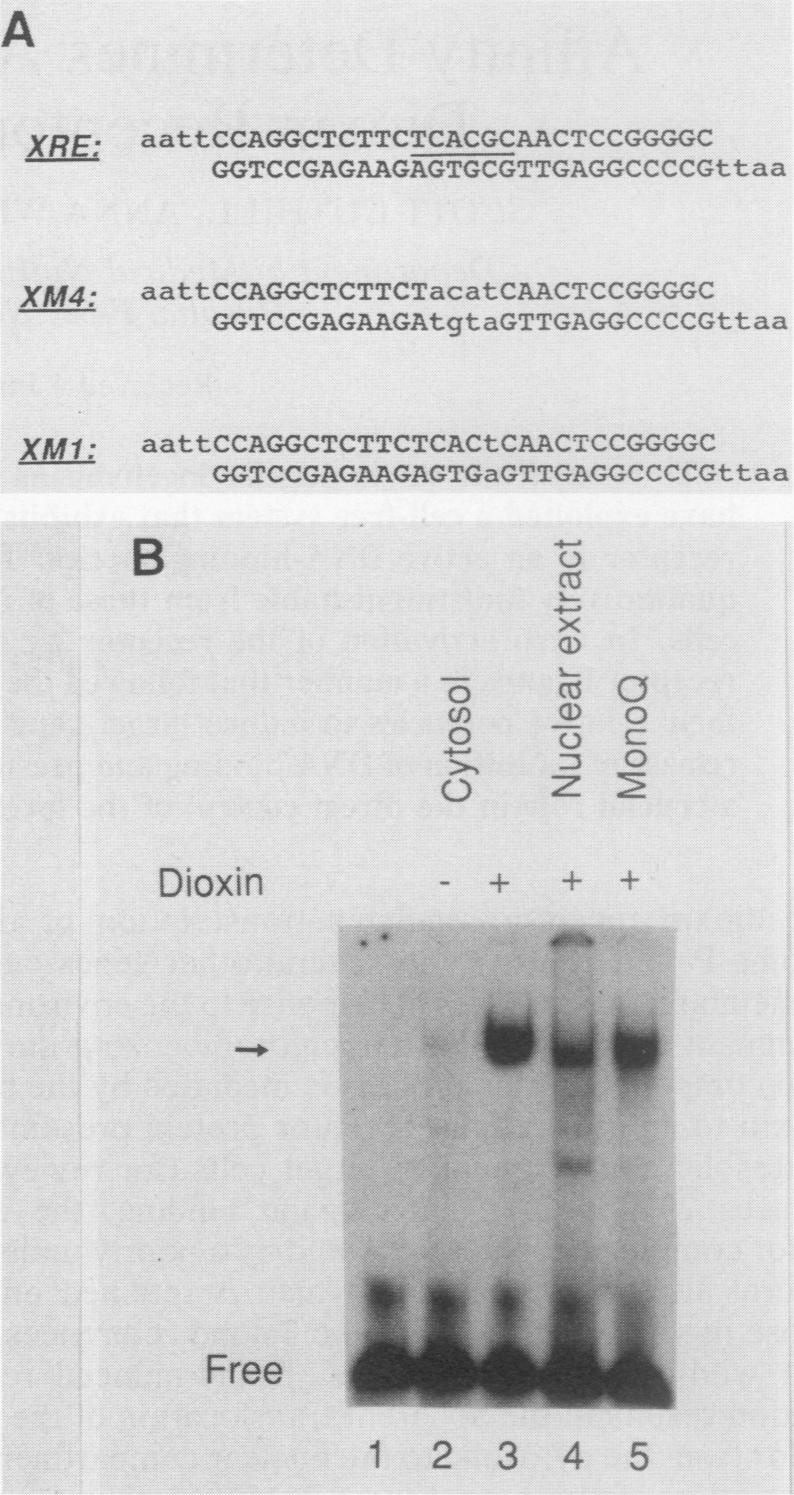
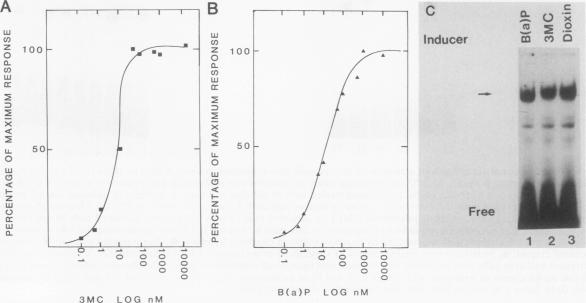
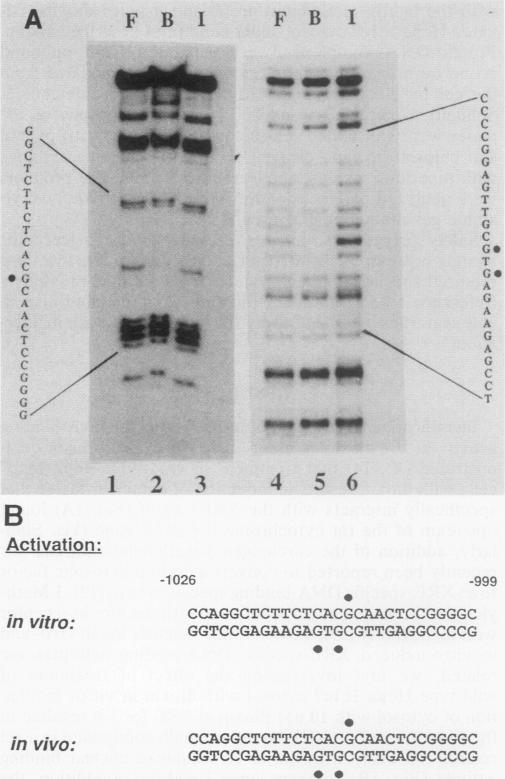
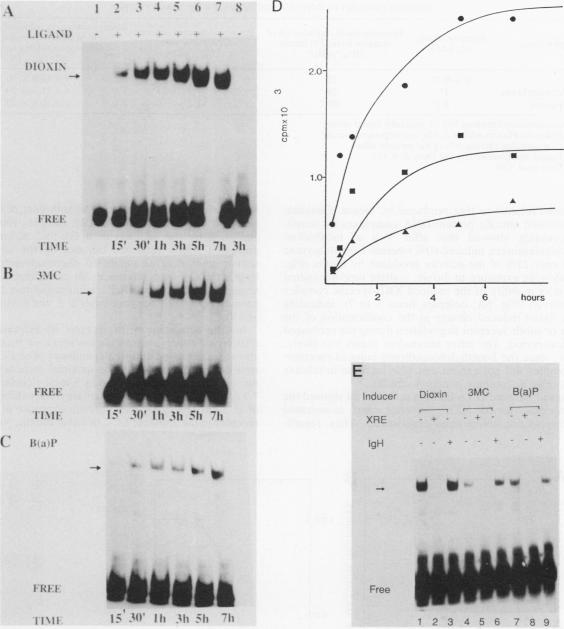
To reconstitute the molecular mechanisms underlying the cellular response to soluble receptor ligands, we have exploited a cell-free system that exhibits signal- (dioxin-)induced activation of the latent cytosolic dioxin receptor to an active DNA-binding species. The DNA-binding properties of the in vitro-activated form were qualitatively indistinguishable from those of in vivo-activated nuclear receptor extracted from dioxin-treated cells. In vitro activation of the receptor by dioxin was dose dependent and was mimicked by other dioxin receptor ligands in a manner that followed the rank order of their relative affinities for the receptor in vitro and their relative potencies to induce target gene transcription in vivo. Thus, in addition to triggering the initial release of inhibition of DNA binding and presumably allowing nuclear translocation, the ligand appears to play a crucial role in the direct control of the level of functional activity of a given ligand-receptor complex.
为了重构细胞对可溶性受体配体作出反应的分子机制,我们利用了一种无细胞系统,该系统能展现出信号(二噁英)诱导潜伏的胞质二噁英受体激活为活性DNA结合物种的过程。体外激活形式的DNA结合特性与从二噁英处理细胞中提取的体内激活核受体的特性在质量上无法区分。二噁英对受体的体外激活呈剂量依赖性,并且其他二噁英受体配体也能模拟这种激活,其方式遵循它们在体外对受体的相对亲和力以及在体内诱导靶基因转录的相对效力的等级顺序。因此,除了引发DNA结合抑制的初始释放并可能允许核转位外,配体似乎在直接控制给定配体-受体复合物的功能活性水平方面起着关键作用。