Pinzón Andrés, Barreto Emiliano, Bernal Adriana, Achenie Luke, Barrios Andres F González, Isea Raúl, Restrepo Silvia
Mycology and Phytopathology Laboratory, Department of Biological Sciences, Universidad de los Andes, Bogotá, Colombia.
Theor Biol Med Model. 2009 Nov 12;6:24. doi: 10.1186/1742-4682-6-24.
Phytophthora infestans is a devastating oomycete pathogen of potato production worldwide. This review explores the use of computational models for studying the molecular interactions between P. infestans and one of its hosts, Solanum tuberosum.
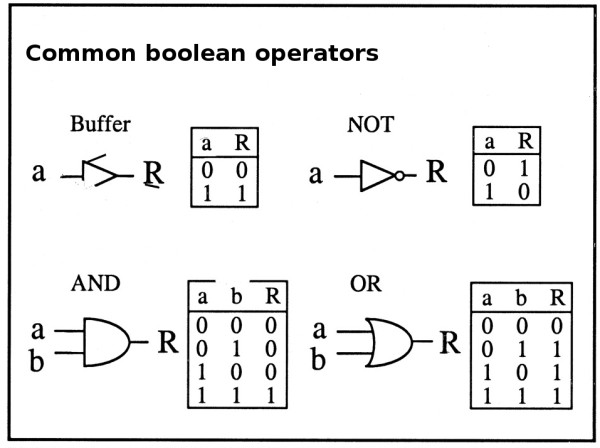
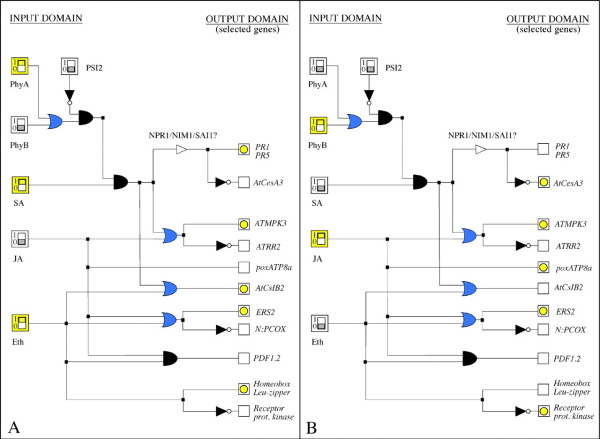
Deterministic logistics models have been widely used to study pathogenicity mechanisms since the early 1950s, and have focused on processes at higher biological resolution levels. In recent years, owing to the availability of high throughput biological data and computational resources, interest in stochastic modeling of plant-pathogen interactions has grown. Stochastic models better reflect the behavior of biological systems. Most modern approaches to plant pathology modeling require molecular kinetics information. Unfortunately, this information is not available for many plant pathogens, including P. infestans. Boolean formalism has compensated for the lack of kinetics; this is especially the case where comparative genomics, protein-protein interactions and differential gene expression are the most common data resources.
致病疫霉是全球马铃薯生产中一种极具破坏性的卵菌病原体。本综述探讨了利用计算模型研究致病疫霉与其寄主之一马铃薯之间的分子相互作用。
自20世纪50年代初以来,确定性逻辑模型已被广泛用于研究致病机制,并专注于更高生物分辨率水平的过程。近年来,由于高通量生物学数据和计算资源的可用性,对植物-病原体相互作用的随机建模的兴趣有所增加。随机模型能更好地反映生物系统的行为。大多数现代植物病理学建模方法需要分子动力学信息。不幸的是,包括致病疫霉在内的许多植物病原体都没有这些信息。布尔形式主义弥补了动力学信息的不足;在比较基因组学、蛋白质-蛋白质相互作用和差异基因表达是最常见数据资源的情况下尤其如此。