Lenz Tobias L, Wells Konstans, Pfeiffer Martin, Sommer Simone
Department of Animal Ecology and Animal Conservation, University of Hamburg, 20146 Hamburg, Germany.
BMC Evol Biol. 2009 Nov 23;9:269. doi: 10.1186/1471-2148-9-269.
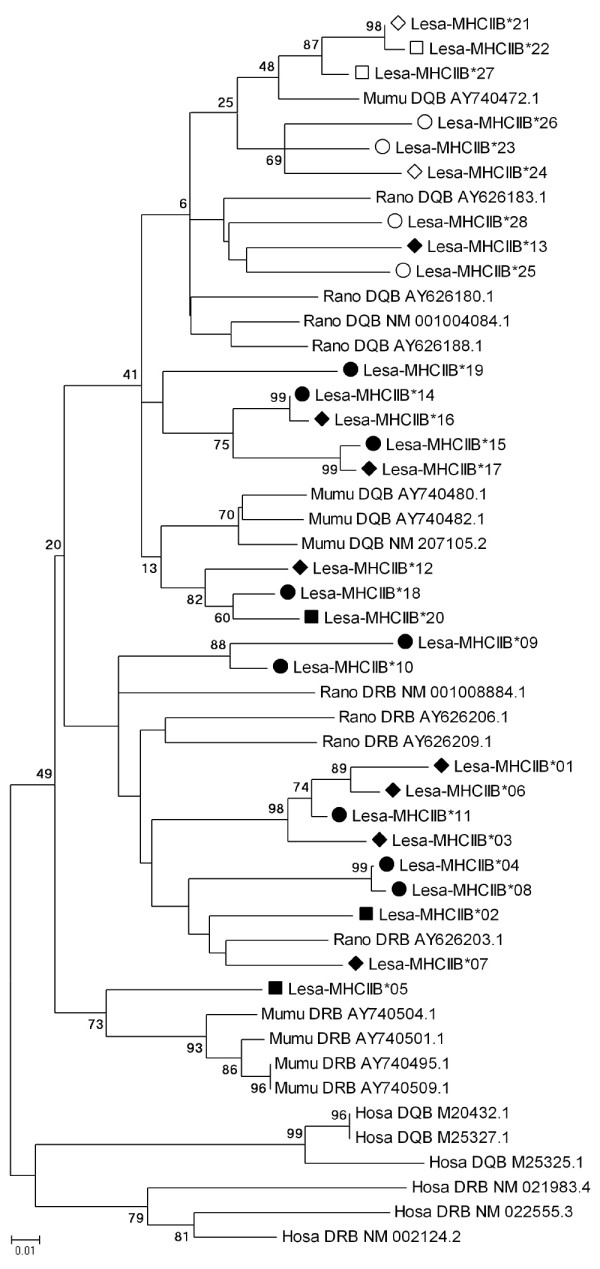
Genes of the major histocompatibility complex (MHC) code for key functions in the adaptive immune response of vertebrates and most of them show exceptionally high polymorphism. This polymorphism has been associated with the selection by diverse and changing parasite communities. We analysed MHC class IIB diversity, gastrointestinal parasite load and body condition in the wild ranging tropical rat Leopoldamys sabanus (Thomas, 1887) under natural selection conditions in a highly variable rainforest environment in Borneo to explore the mechanisms that maintain these high levels of genetic polymorphism.
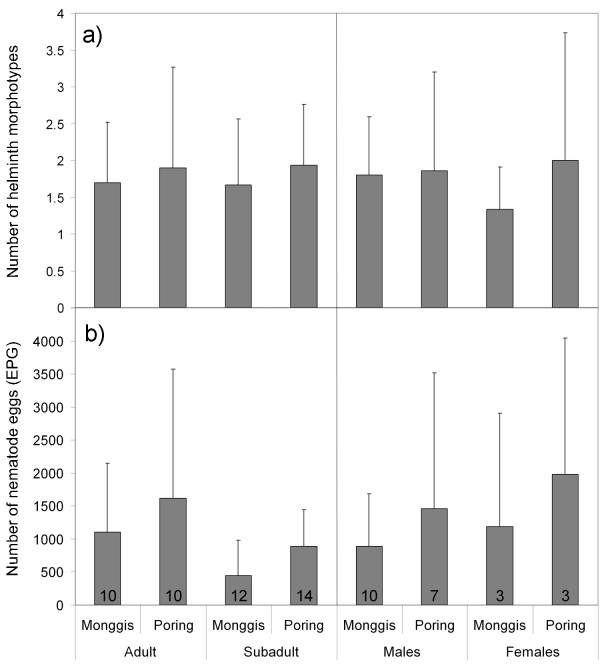
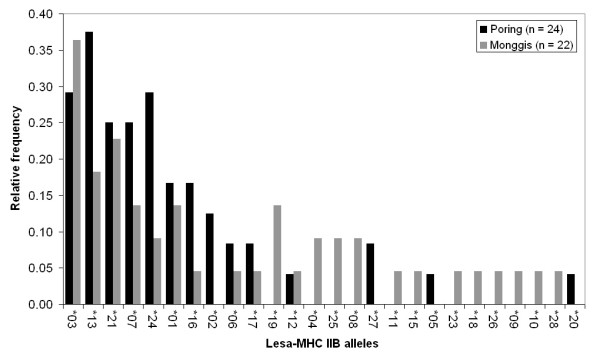
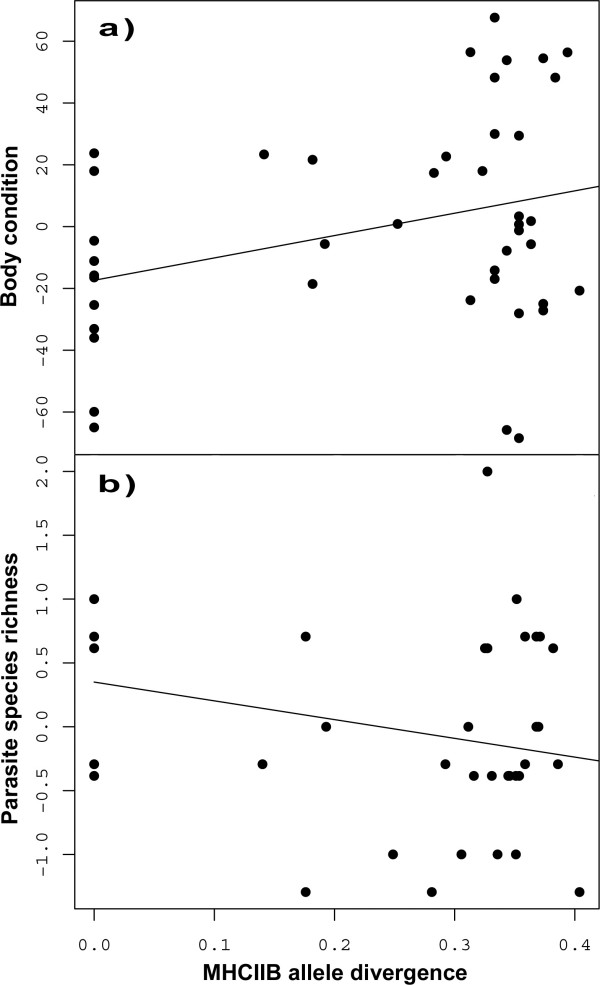
Allelic diversity was determined via SSCP and sequencing, and parasite screening was done through non-invasive faecal egg count. The detected alleles showed expected high levels of polymorphism and balancing selection. Besides a clear advantage for more diverse MHC genotypes in terms of number of alleles, reflected in better body condition and resistance against helminth infection, our data also suggested a positive effect of MHC allele divergence within an individual on these parameters.
In accordance with the heterozygote advantage hypothesis, this study provides evidence for an advantage of more diverse MHC genotypes. More specifically, the potential negative relation between individual allele divergence and number of parasite species is in line with the 'divergent allele advantage' hypothesis.
主要组织相容性复合体(MHC)的基因编码脊椎动物适应性免疫反应中的关键功能,其中大多数基因表现出极高的多态性。这种多态性与不同且不断变化的寄生虫群落的选择有关。我们分析了婆罗洲高度多变的雨林环境中自然选择条件下野生热带大鼠李氏鼠(Leopoldamys sabanus,托马斯,1887年)的MHC IIB类多样性、胃肠道寄生虫负荷和身体状况,以探索维持这些高水平遗传多态性的机制。
通过SSCP和测序确定等位基因多样性,并通过非侵入性粪便虫卵计数进行寄生虫筛查。检测到的等位基因显示出预期的高度多态性和平衡选择。除了在等位基因数量方面,更多样化的MHC基因型具有明显优势,表现为更好的身体状况和对蠕虫感染的抵抗力外,我们的数据还表明个体内MHC等位基因差异对这些参数有积极影响。
根据杂合子优势假说,本研究为更多样化的MHC基因型具有优势提供了证据。更具体地说,个体等位基因差异与寄生虫物种数量之间的潜在负相关符合“发散等位基因优势”假说。