Department of Neurology, University of Marburg, Marburg, Germany.
BMC Cancer. 2009 Dec 28;9:464. doi: 10.1186/1471-2407-9-464.
Studies of the role of the cytokine macrophage-migration-inhibitory-factor (MIF) in malignant tumors have revealed its stimulating influence on cell-cycle progression, angiogenesis and anti-apoptosis.
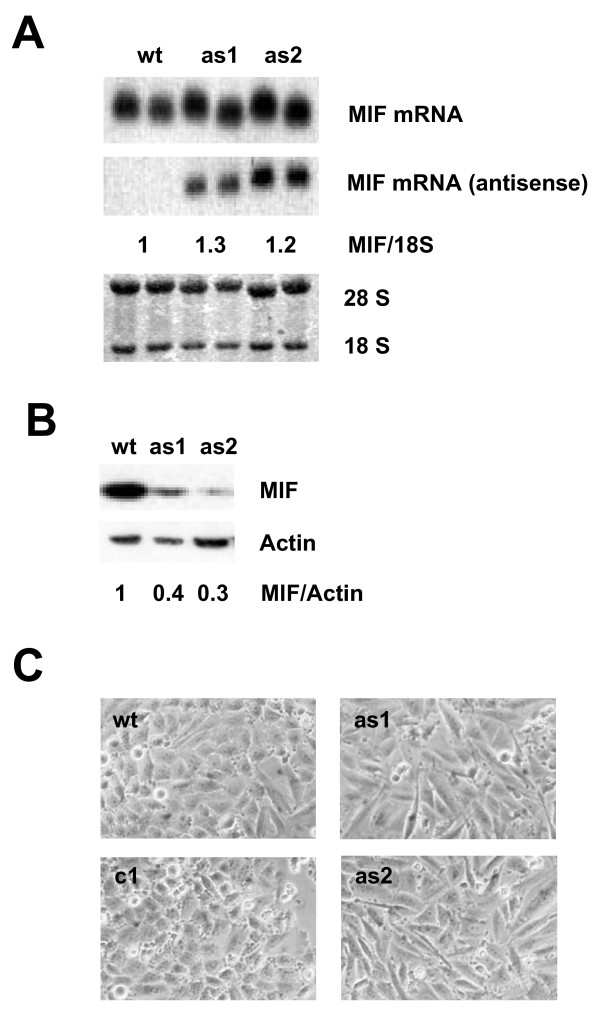
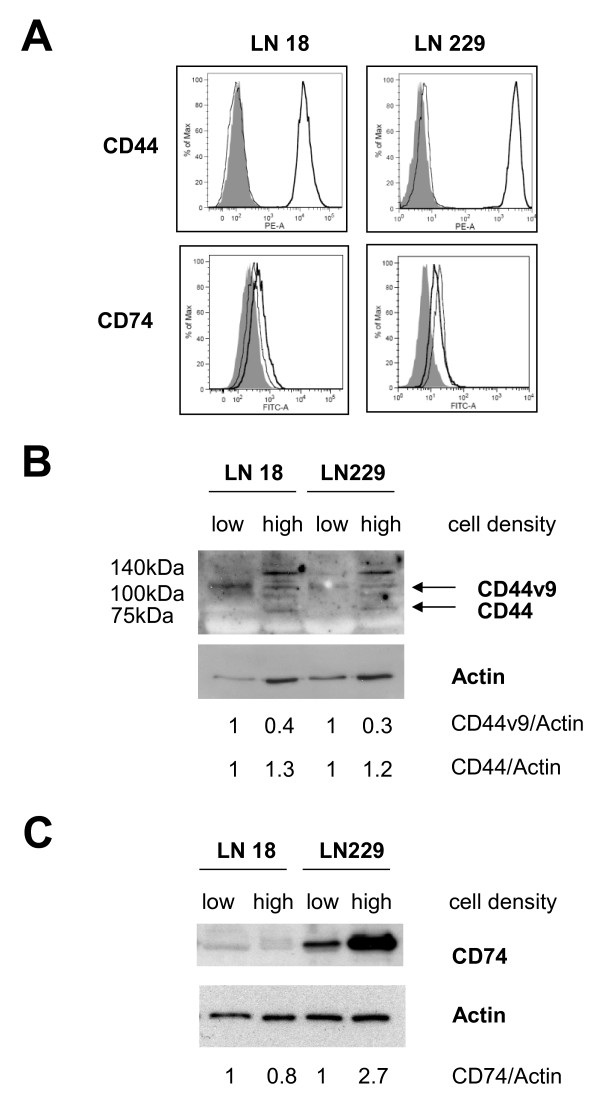
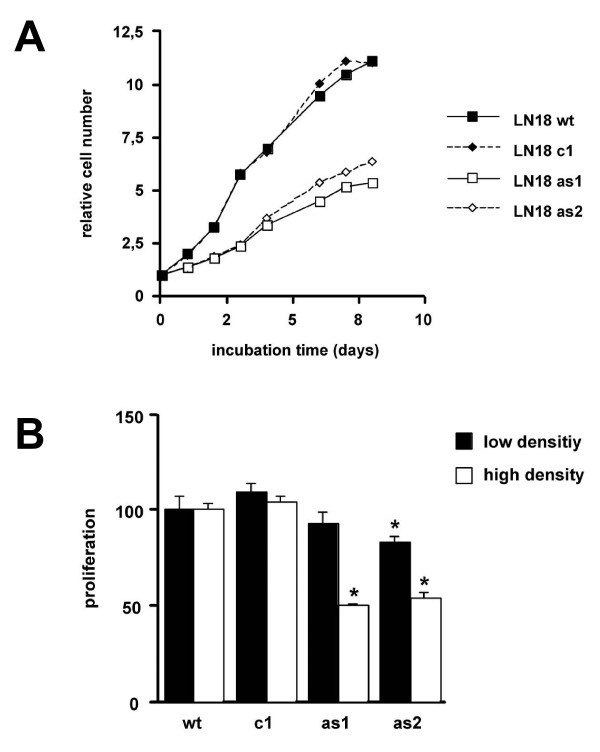
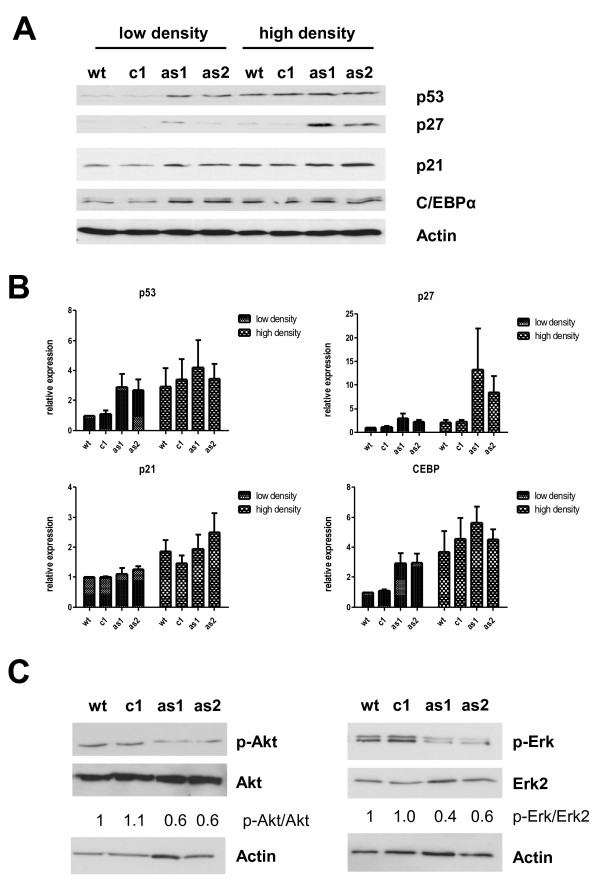
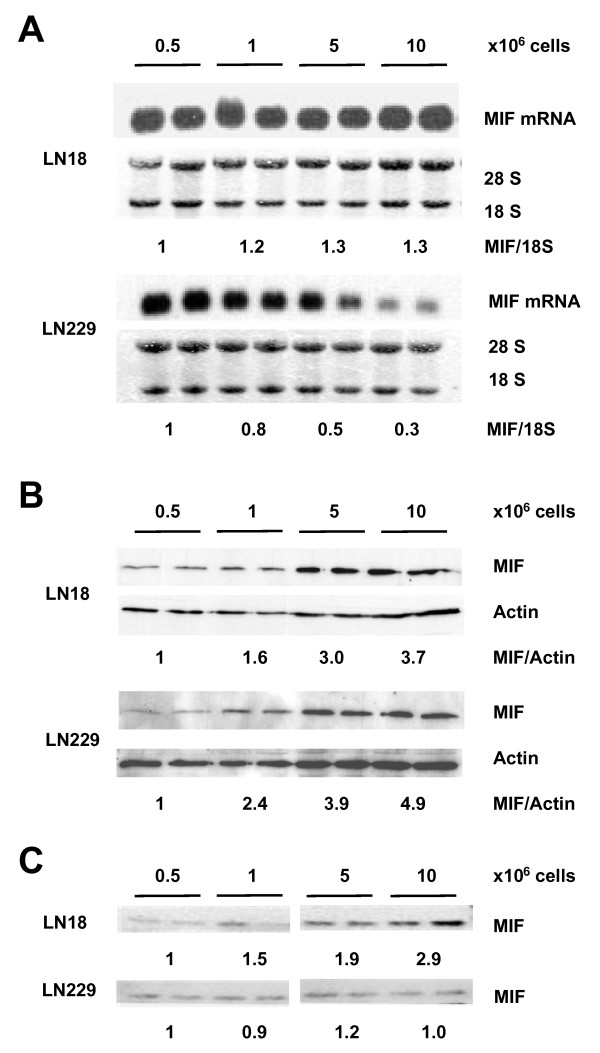
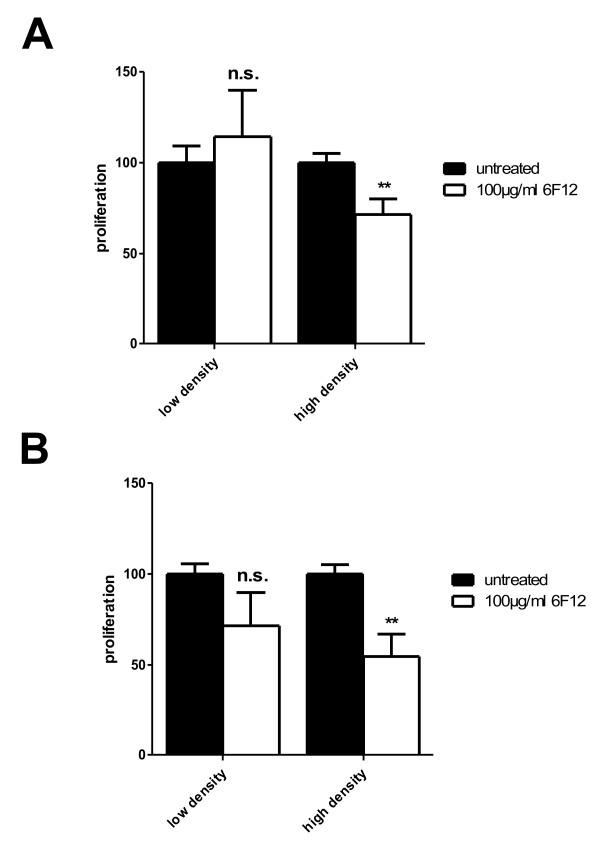
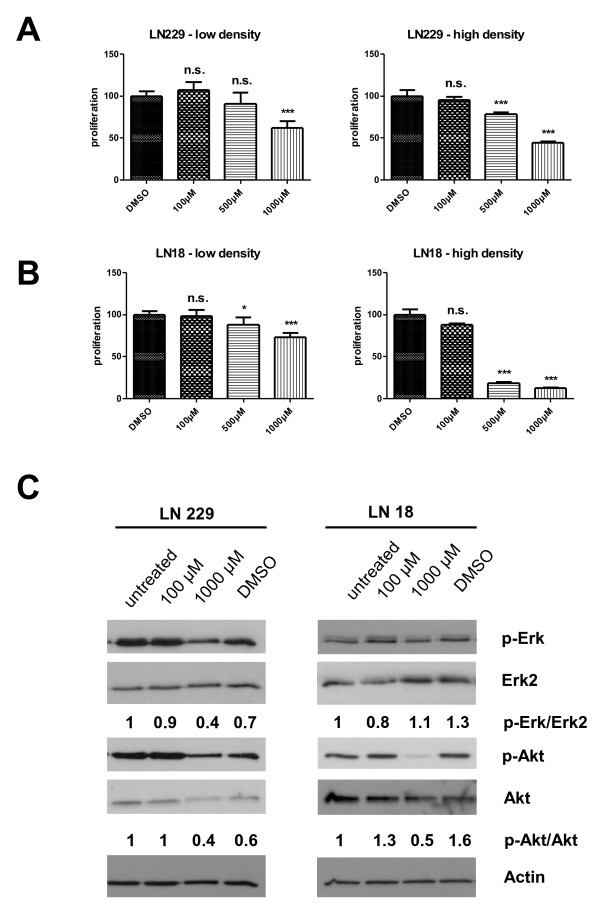
Here we show that in vitro targeting MIF in cultures of human malignant glioblastoma cells by either antisense plasmid introduction or anti-MIF antibody treatment reduced the growth rates of tumor cells. Of note is the marked decrease of proliferation under confluent and over-confluent conditions, implying a role of MIF in overcoming contact inhibition. Several proteins involved in contact inhibition including p27, p21, p53 and CEBPalpha are upregulated in the MIF antisense clones indicating a restoration of contact inhibition in the tumor cells. Correspondingly, we observed a marked increase in MIF mRNA and protein content under higher cell densities in LN18 cells. Furthermore, we showed the relevance of the enzymatic active site of MIF for the proliferation of glioblastoma cells by using the MIF-tautomerase inhibitor ISO-1.
Our study adds another puzzle stone to the role of MIF in tumor growth and progression by showing the importance of MIF for overcoming contact inhibition.
细胞因子巨噬细胞移动抑制因子(MIF)在恶性肿瘤中的作用的研究表明,它对细胞周期进程、血管生成和抗细胞凋亡有刺激作用。
在这里,我们表明,通过反义质粒导入或抗 MIF 抗体处理,在体外靶向人恶性脑胶质瘤细胞中的 MIF,可降低肿瘤细胞的生长速度。值得注意的是,在汇合和过汇合条件下,增殖明显减少,这意味着 MIF 在克服接触抑制方面的作用。包括 p27、p21、p53 和 CEBPalpha 在内的几种参与接触抑制的蛋白质在 MIF 反义克隆中上调,表明肿瘤细胞中的接触抑制得到恢复。相应地,我们在 LN18 细胞中观察到更高的细胞密度下 MIF mRNA 和蛋白质含量的显著增加。此外,我们通过使用 MIF 互变异构酶抑制剂 ISO-1 表明 MIF 的酶活性部位对神经胶质瘤细胞增殖的相关性。
我们的研究通过表明 MIF 对克服接触抑制的重要性,为 MIF 在肿瘤生长和进展中的作用增添了另一块拼图。