Lublin Alex L, Gandy Sam
Department of Neurology, Mount Sinai Alzheimer's Disease Research Center, Mount Sinai School of Medicine, New York, NY, USA.
Mt Sinai J Med. 2010 Jan-Feb;77(1):43-9. doi: 10.1002/msj.20160.
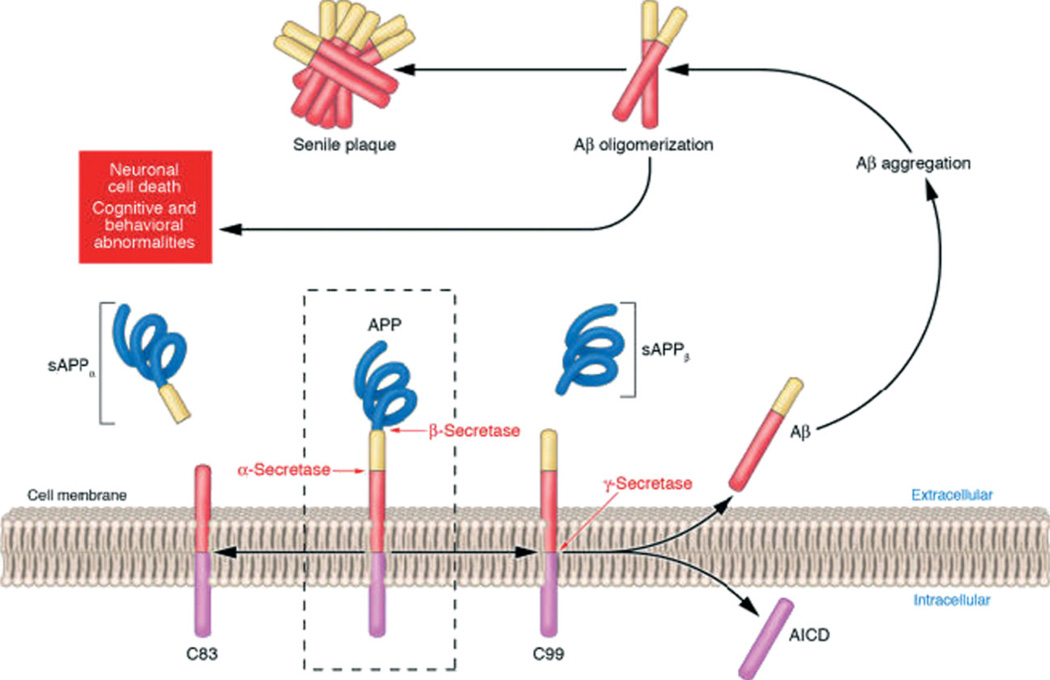
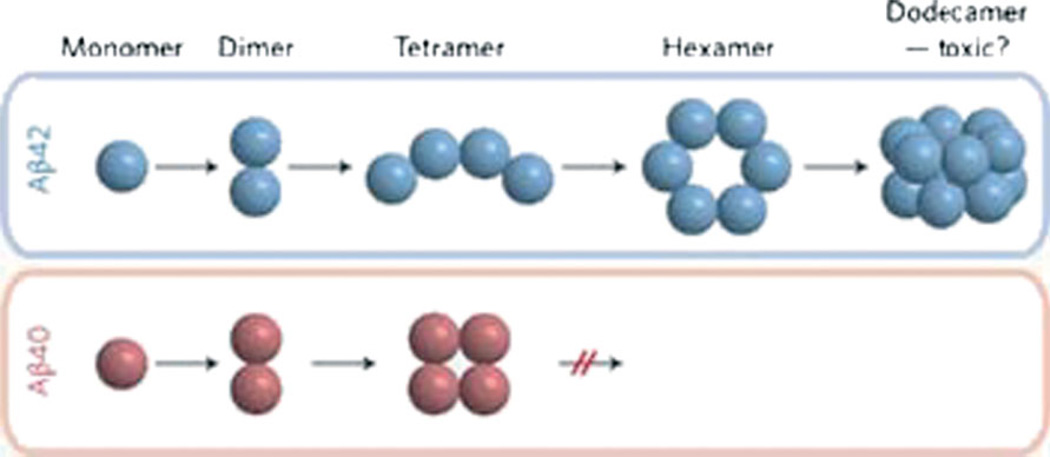
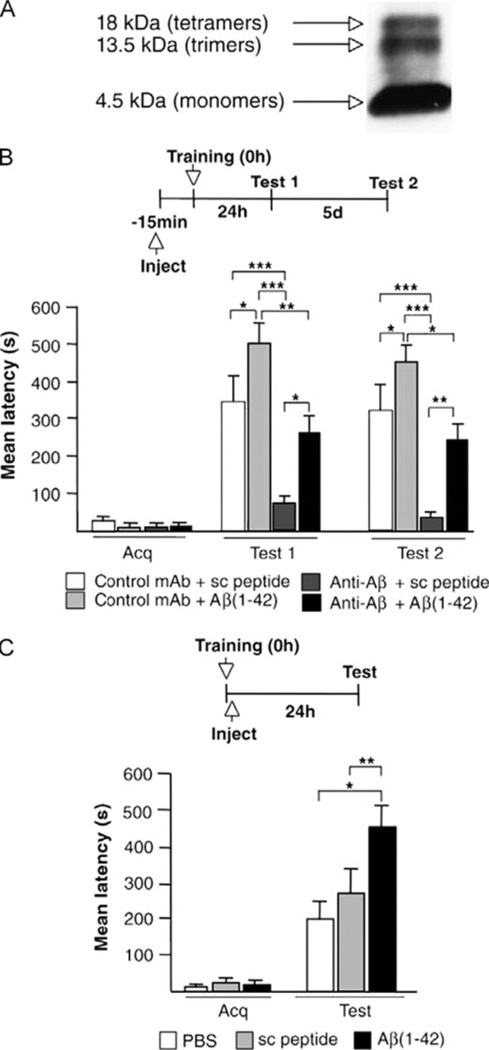
Alzheimer's disease is the most common form of senile dementia. Although the amyloid-beta peptide was identified in 1984 as the major constituent of the senile plaques that characterize the disease, accumulating evidence indicates that the plaque density does not correspond well to the concurrent disease state. In order to resolve this disconnect, a number of recent studies have shifted away from the senile plaque and classical fibrillar forms of amyloid toward a less well structured species as the proximate neurotoxic factor underlying cognitive failure in Alzheimer's disease: soluble amyloid-beta peptide oligomer (also known as the amyloid-beta peptide-derived diffusible ligand). Paradoxically, several studies in the last 2 years have shown that picomolar levels of amyloid-beta peptide have neutral activity or perhaps even an essential role in learning and memory. Here we highlight some of the key observations underlying the growing focus on the amyloid-beta peptide oligomer.
阿尔茨海默病是最常见的老年痴呆形式。尽管β-淀粉样肽在1984年被确定为该疾病特征性老年斑的主要成分,但越来越多的证据表明,斑块密度与同时存在的疾病状态并不十分相符。为了解决这一脱节问题,最近的一些研究已从老年斑和经典的淀粉样纤维形式转向一种结构较不完善的物质,将其视为阿尔茨海默病认知功能衰退的直接神经毒性因子:可溶性β-淀粉样肽寡聚体(也称为β-淀粉样肽衍生的可扩散配体)。矛盾的是,过去两年的几项研究表明,皮摩尔水平的β-淀粉样肽具有中性活性,甚至可能在学习和记忆中起重要作用。在此,我们重点介绍一些使人们越来越关注β-淀粉样肽寡聚体的关键观察结果。