Ivanov Marcel, Ciurea Alexandru Vlad
"Prof Dr. N. Oblu" Clinical Emergency Hospital, Iasi.
J Med Life. 2009 Jan-Mar;2(1):29-35.
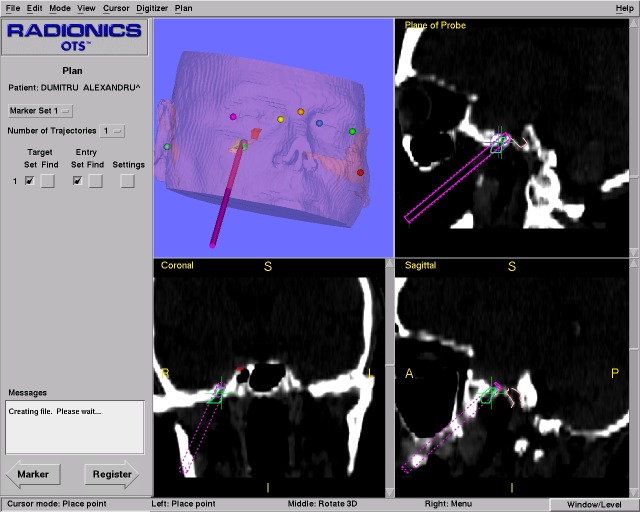
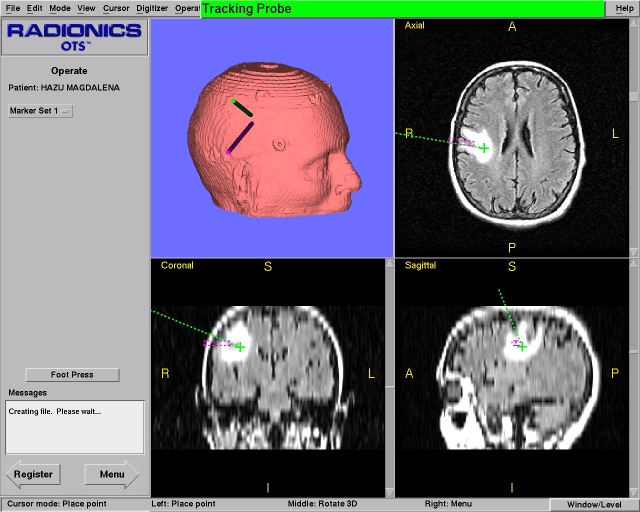
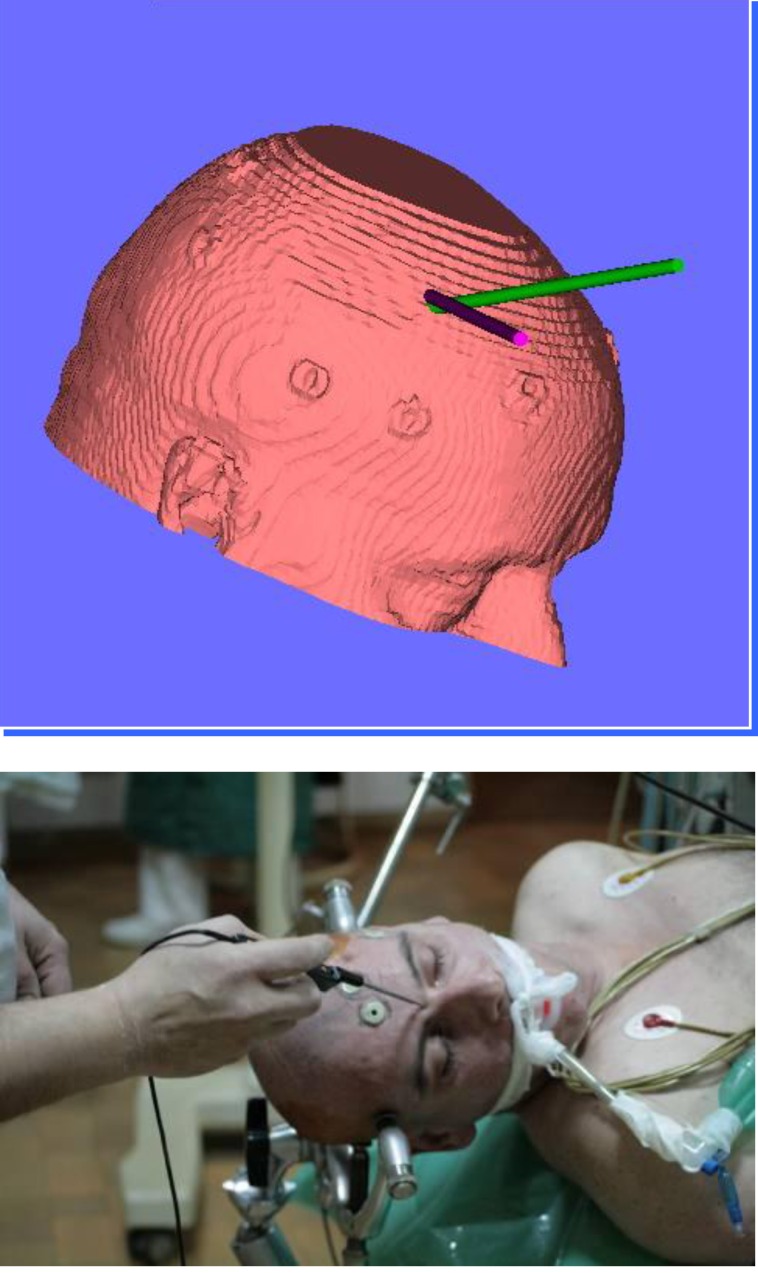
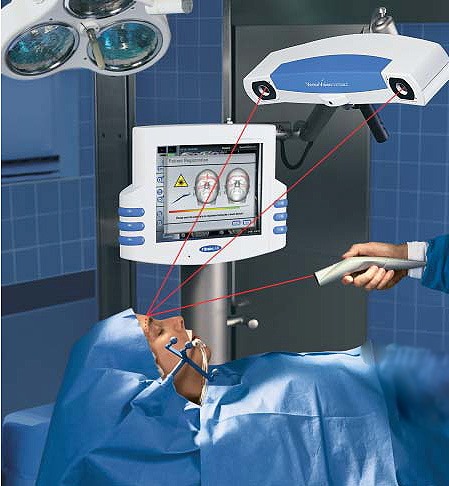
Neuronavigation and stereotaxy are techniques designed to help neurosurgeons precisely localize different intracerebral pathological processes by using a set of preoperative images (CT, MRI, fMRI, PET, SPECT etc.). The development of computer assisted surgery was possible only after a significant technological progress, especially in the area of informatics and imagistics. The main indications of neuronavigation are represented by the targeting of small and deep intracerebral lesions and choosing the best way to treat them, in order to preserve the neurological function. Stereotaxis also allows lesioning or stimulation of basal ganglia for the treatment of movement disorders. These techniques can bring an important amount of confort both to the patient and to the neurosurgeon. Neuronavigation was introduced in Romania around 2003, in four neurosurgical centers. We present our five-years experience in neuronavigation and describe the main principles and surgical techniques.
神经导航和立体定向技术旨在通过使用一组术前图像(CT、MRI、功能磁共振成像、正电子发射断层扫描、单光子发射计算机断层扫描等)来帮助神经外科医生精确地定位不同的脑内病理过程。只有在取得重大技术进步之后,尤其是在信息学和成像学领域,计算机辅助手术才得以发展。神经导航的主要适应证包括针对小的深部脑内病变进行靶向定位并选择最佳治疗方法,以保留神经功能。立体定向还可用于对基底神经节进行毁损或刺激以治疗运动障碍。这些技术能给患者和神经外科医生都带来极大的便利。神经导航于2003年左右在罗马尼亚的四个神经外科中心引入。我们介绍我们在神经导航方面的五年经验,并描述其主要原理和手术技术。