Department of Psychology, Cognitive and Neurosciences, University of South Florida, Tampa, FL 33620, USA.
Alcohol. 2010 Feb;44(1):57-66. doi: 10.1016/j.alcohol.2009.09.035.
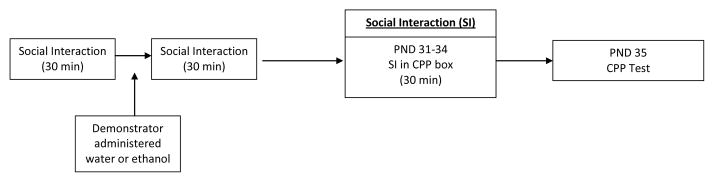
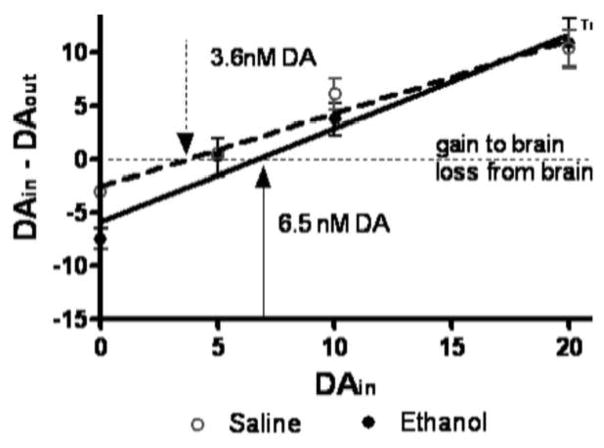
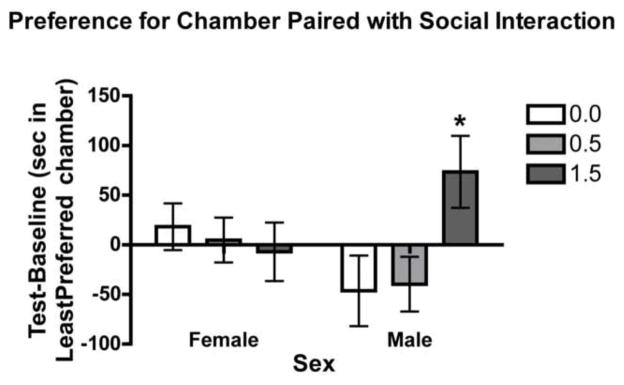
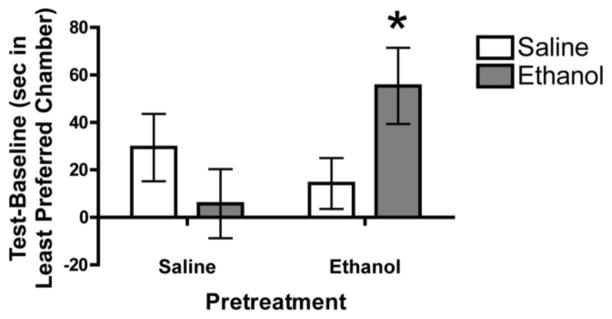
Alcohol use increases across adolescence and is a concern in the United States. In humans, males and females consume different amounts of alcohol depending on the age of initiation, and the long-term consequences of early ethanol consumption are not readily understood. The purpose of our work was to better understand the immediate and long-term impact of ethanol exposure during adolescence and the effects it can have on behavior and dopaminergic responsivity. We have assessed sex differences in voluntary ethanol consumption during adolescence and adulthood and the influence of binge ethanol exposure during adolescence. We have observed that males are sensitive to passive social influences that mediate voluntary ethanol consumption, and early ethanol exposure induces long-term changes in responsivity to ethanol in adulthood. Exposure to moderate doses of ethanol during adolescence produced alterations in dopamine in the nucleus accumbens septi during adolescence and later in adulthood. Taken together, all of these data indicate that the adolescent brain is sensitive to the impact of early ethanol exposure during this critical developmental period.
酒精使用在青少年中普遍增加,这在美国是一个令人关注的问题。在人类中,男性和女性根据起始年龄摄入不同量的酒精,而早期乙醇摄入的长期后果尚不清楚。我们工作的目的是更好地了解青春期暴露于乙醇的即时和长期影响,以及它对行为和多巴胺反应性的影响。我们评估了青春期和成年期自愿摄入乙醇的性别差异,以及青春期狂欢式乙醇暴露的影响。我们观察到,男性对介导自愿摄入乙醇的被动社交影响敏感,而早期乙醇暴露会导致成年期对乙醇反应性的长期变化。青春期摄入适量乙醇会导致伏隔核中多巴胺在青春期和成年后发生变化。综上所述,所有这些数据表明,在这个关键的发育阶段,青少年的大脑对早期乙醇暴露的影响很敏感。