
基于聚合酶链反应的皮肤 B 细胞淋巴增生性疾病的克隆性分析。
Polymerase chain reaction-based clonality analysis of cutaneous B-cell lymphoproliferative processes.
机构信息
Department of Dermatology, Faculdade de Medicina da Universidade de São Paulo - São Paulo/SP, Brazil.
出版信息
Clinics (Sao Paulo). 2010;65(1):53-60. doi: 10.1590/S1807-59322010000100009.
INTRODUCTION
The differential diagnosis of B-cell lymphoproliferative processes remains a challenge for pathologists, dermatologists and oncologists, despite advances in histology, immunohistochemistry and molecular biology.
OBJECTIVE
Evaluate aid and limitations of clonality analysis in the diagnosis of primary cutaneous B-cell lymphomas and B-cell pseudolymphomas.
METHODS
This study included 29 cases of B-cell lymphoproliferative processes classified as primary cutaneous B-cell lymphomas (13), B-cell pseudolymphomas (6) and inconclusive cases (10) using histology and immunohistochemistry. The clonality analysis was performed by polymerase chain reaction analysis of immunoglobulin light chain and heavy chain rearrangements.
RESULTS
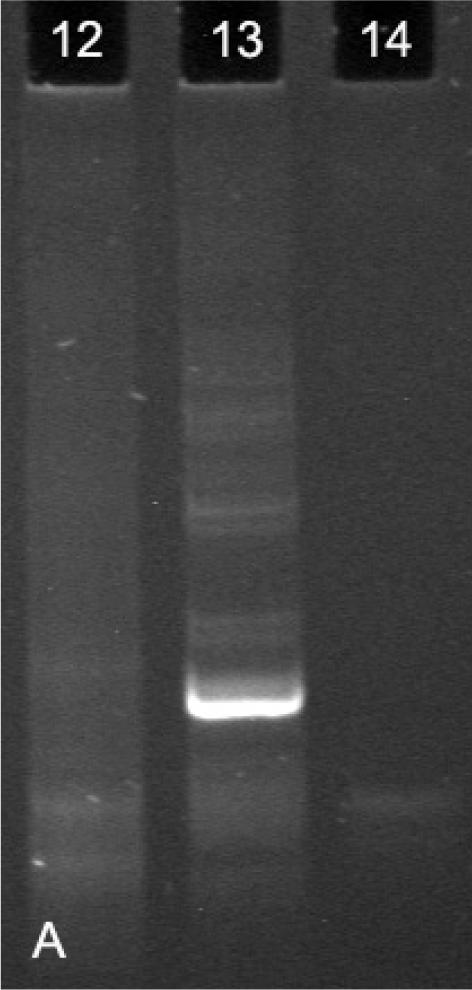
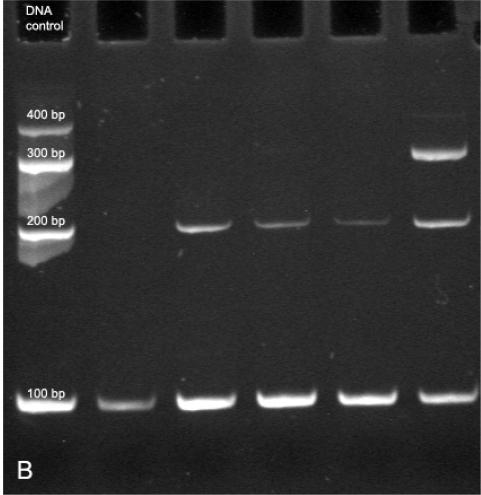
DNA quality was shown to be generally poor; eight samples were inadequate for polymerase chain reaction analysis. The results showed monoclonality in eight of the primary cutaneous B-cell lymphomas and polyclonality in four of the B-cell pseudolymphomas. In addition, monoclonality was shown in two of the inconclusive cases by histology and immunohistochemistry, demonstrating the utility of polymerase chain reaction as an ancillary diagnostic tool for primary cutaneous B-cell lymphomas.
DISCUSSION
The low quality DNA extracted from these cases demanded the use of an IgH protocol that yielded small fragments and IgK. Both methods used together improved detection.
CONCLUSION
Use of the two protocols, immunoglobulin heavy chain FR3-trad and immunoglobulin light chain-Kappa Biomed protocols for clonality analysis improved diagnostic accuracy.
简介
尽管在组织学、免疫组织化学和分子生物学方面取得了进展,但 B 细胞淋巴增生性疾病的鉴别诊断仍然是病理学家、皮肤科医生和肿瘤学家面临的挑战。
目的
评估克隆性分析在原发性皮肤 B 细胞淋巴瘤和 B 细胞假性淋巴瘤诊断中的辅助作用和局限性。
方法
本研究纳入了 29 例 B 细胞淋巴增生性疾病,通过组织学和免疫组织化学分类为原发性皮肤 B 细胞淋巴瘤(13 例)、B 细胞假性淋巴瘤(6 例)和不确定病例(10 例)。通过免疫球蛋白轻链和重链重排的聚合酶链反应分析进行克隆性分析。
结果
DNA 质量普遍较差,8 个样本不适于聚合酶链反应分析。结果显示,8 例原发性皮肤 B 细胞淋巴瘤呈单克隆性,4 例 B 细胞假性淋巴瘤呈多克隆性。此外,2 例组织学和免疫组织化学不确定的病例显示单克隆性,表明聚合酶链反应作为原发性皮肤 B 细胞淋巴瘤辅助诊断工具的有效性。
讨论
从这些病例中提取的低质量 DNA 需要使用 IgH 方案,该方案产生小片段和 IgK。两种方法一起使用可提高检测率。
结论
使用两种方案,即免疫球蛋白重链 FR3-trad 和免疫球蛋白轻链-Kappa Biomed 方案进行克隆性分析可提高诊断准确性。

 Zotero 插件