Department of Orthopaedics, Heinrich-Heine University of Duesseldorf, 40225 Duesseldorf, Germany.
Eur J Med Res. 2010 Jan 29;15(1):35-43. doi: 10.1186/2047-783x-15-1-35.
The influence of cytomechanical forces in cellular migration, proliferation and differentiation of mesenchymal stem cells (MSCs) is still poorly understood in detail.
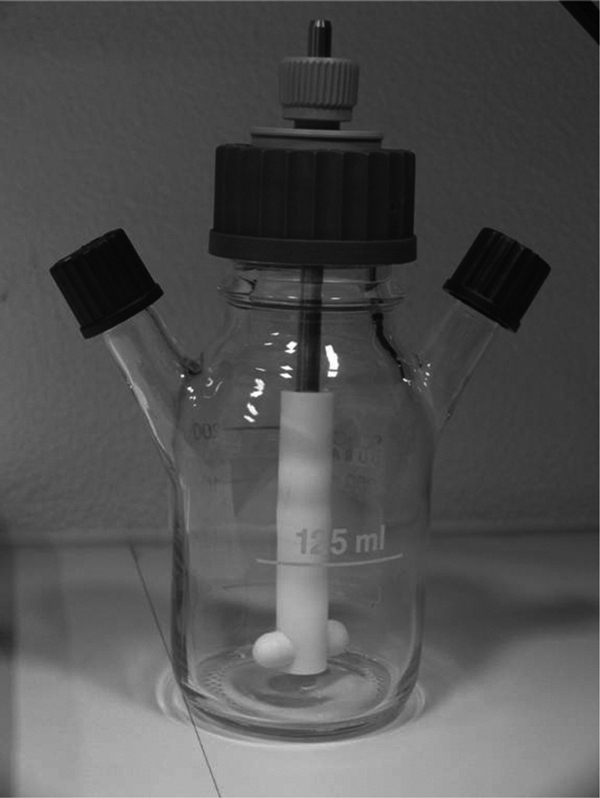
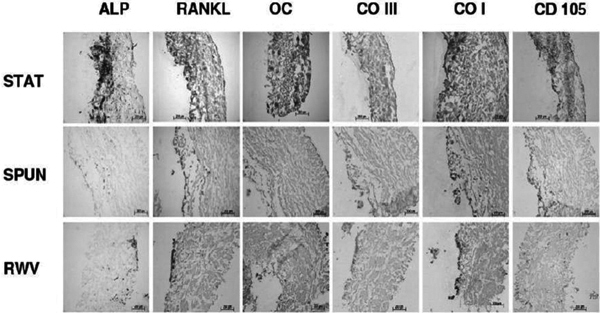
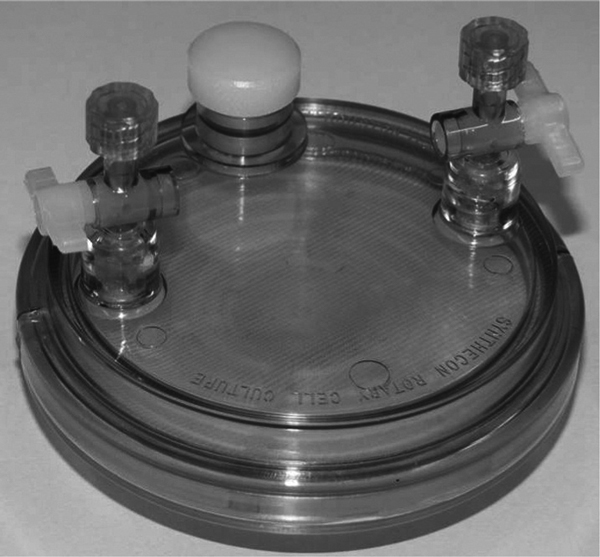
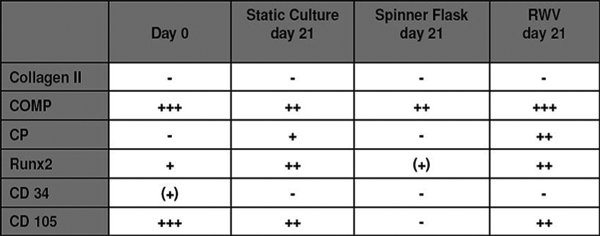
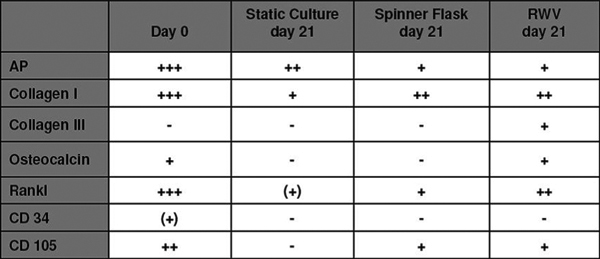
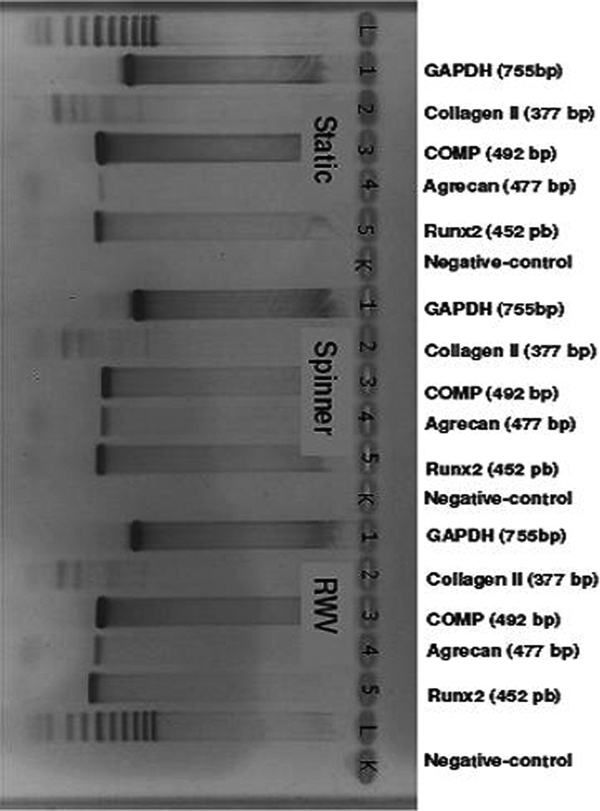
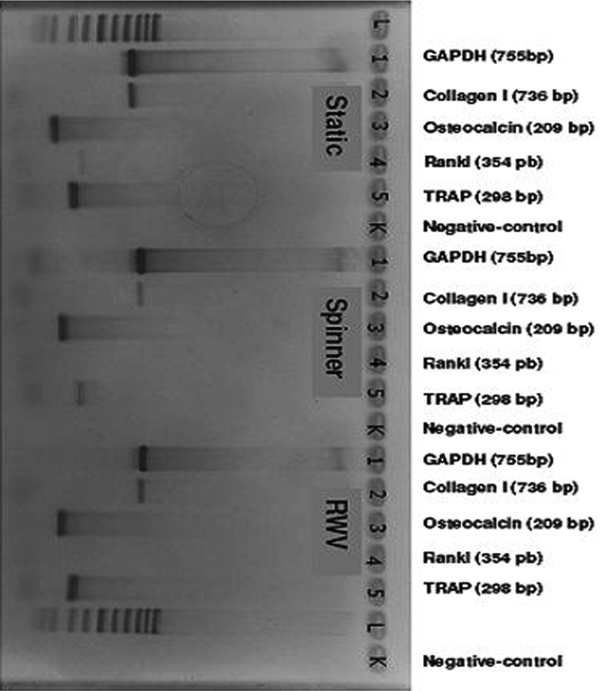
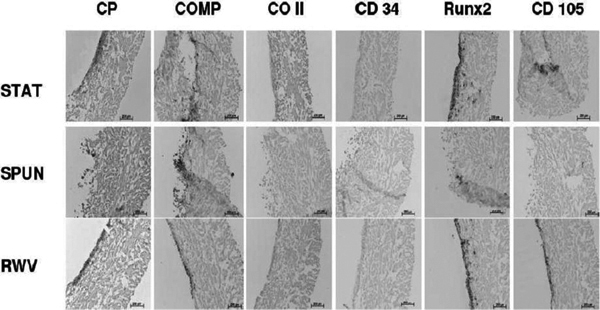
Human MSCs were isolated and cultivated onto the surface of a 3 x 3 mm porcine collagen I / III carrier. After incubation, cell cultures were transferred to the different cultures systems: regular static tissue flasks (group I), spinner flasks (group II) and rotating wall vessels (group III). Following standard protocols cells were stimulated lineage specific towards the osteogenic and chondrogenic lines. To evaluate the effects of applied cytomechanical forces towards cellular differentiation distinct parameters were measured (morphology, antigen and antigen expression) after a total cultivation period of 21 days in vitro.
Depending on the cultivation technique we found significant differences in both gen and protein expression.
Cytomechanical forces with rotational components strongly influence the osteogenic and chondrogenic differentiation.
细胞迁移、增殖和分化过程中细胞力学的影响在很大程度上仍未得到详细了解。
从人骨髓中分离并培养间充质干细胞(MSCs),使其贴附于 3x3mm 的猪胶原蛋白 I/III 载体表面。孵育后,细胞培养物被转移到不同的培养系统中:常规静态组织培养瓶(第 I 组)、旋转瓶(第 II 组)和旋转壁容器(第 III 组)。按照标准方案,细胞被刺激向成骨和成软骨谱系分化。为了评估施加的细胞力学对细胞分化的影响,在体外培养 21 天后,我们测量了不同的参数(形态、抗原和抗原表达)。
根据培养技术的不同,我们发现基因和蛋白表达都有显著差异。
具有旋转成分的细胞力学对成骨和成软骨分化有很大影响。