Berardi Danielle E, Tarbell John M
Department of Bioengineering, Pennsylvania State University, University Park, PA 16802.
Cell Mol Bioeng. 2009 Sep 1;2(3):320-331. doi: 10.1007/s12195-009-0073-7.
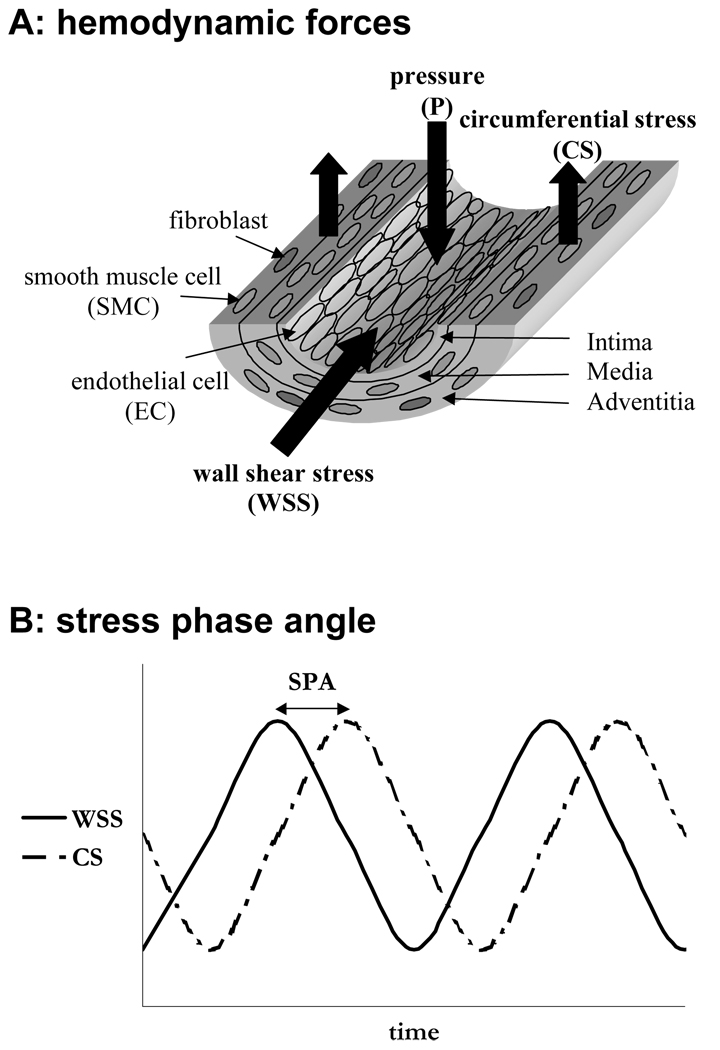
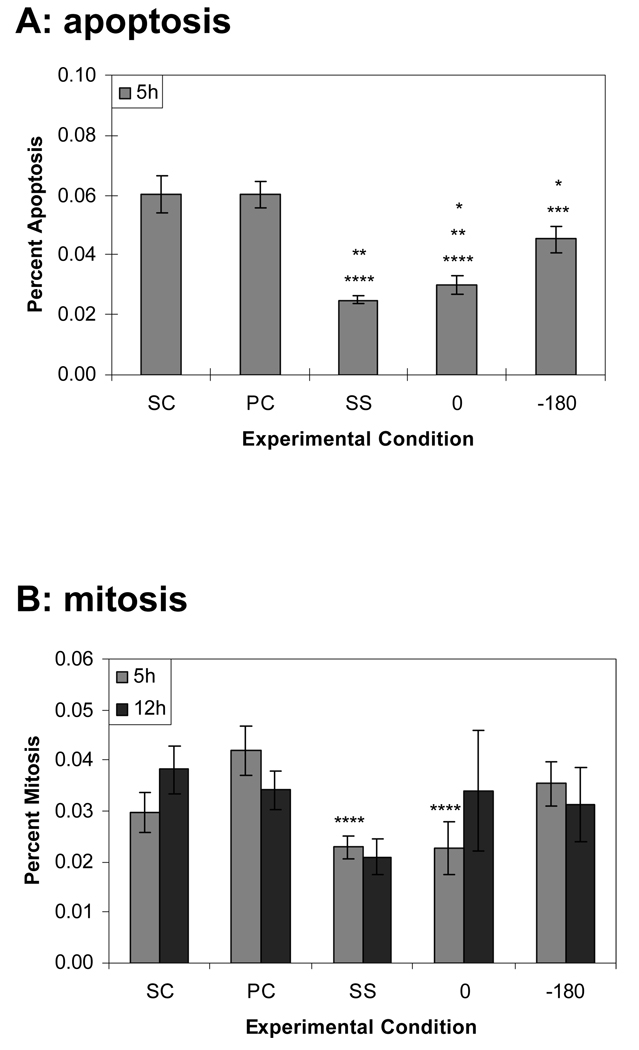
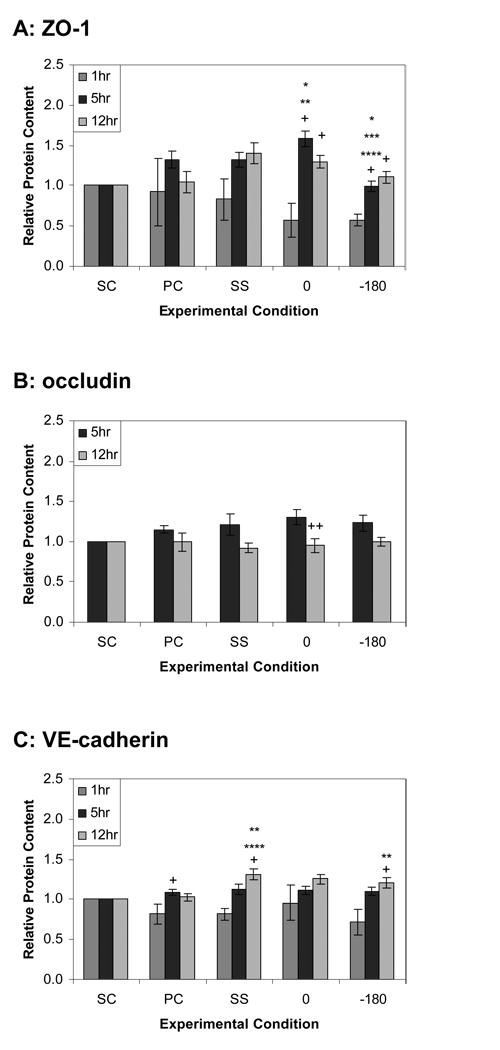
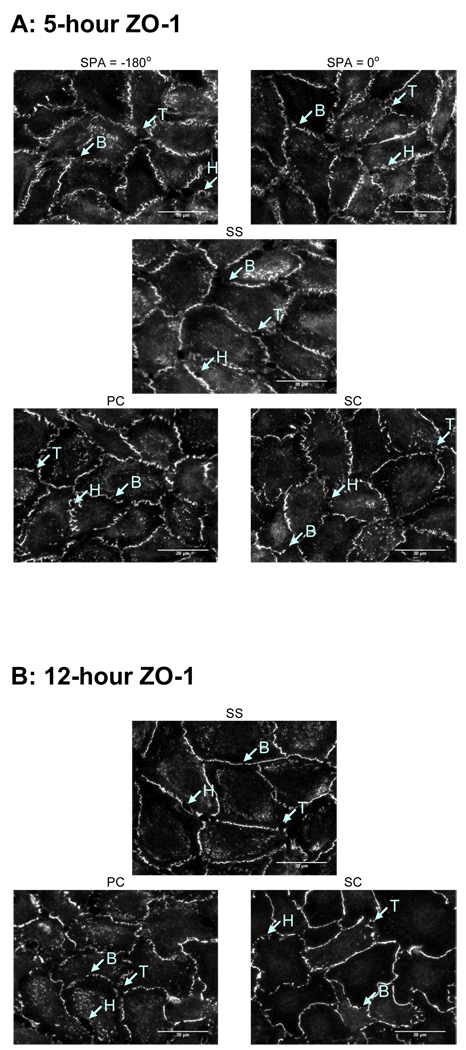
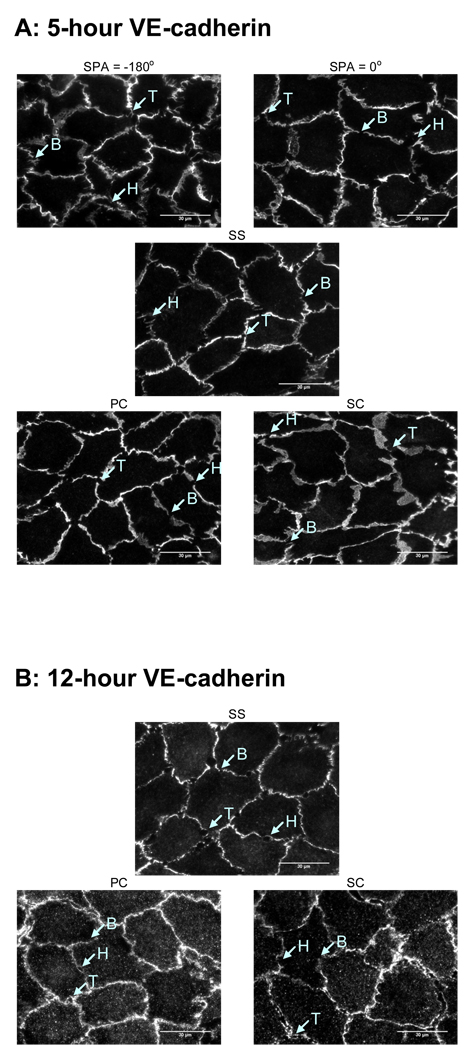
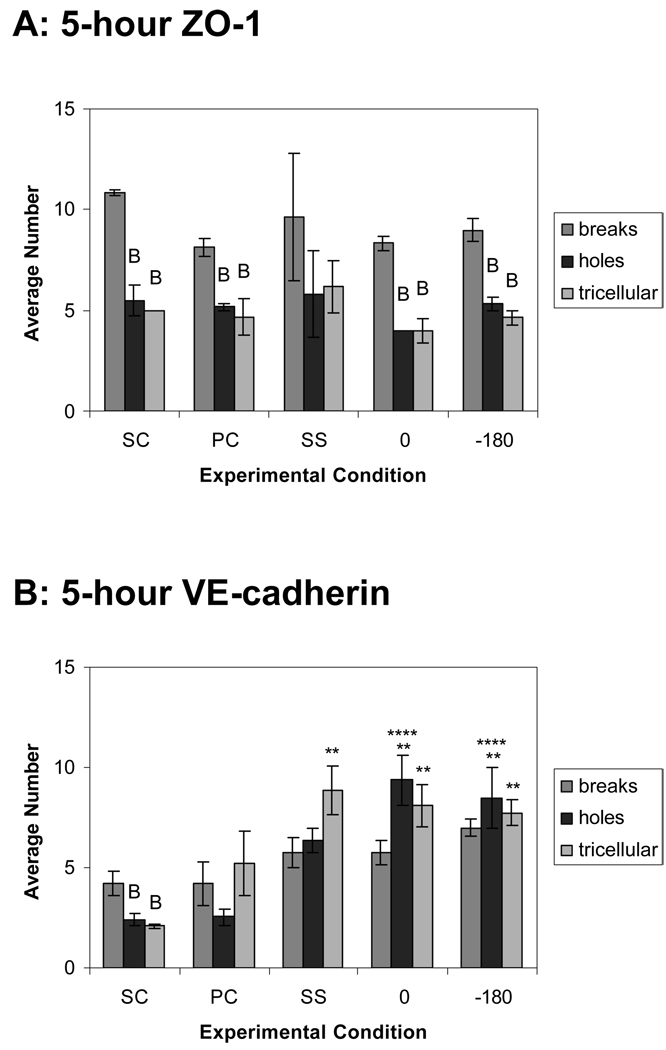
Complex hemodynamics play a role in the localization and development of atherosclerosis. Endothelial cells (ECs) lining blood vessel walls are directly influenced by various hemodynamic forces: simultaneous wall shear stress (WSS), normal stress, and circumferential stress/strain (CS) due to pulsatile flow, pressure, and diameter changes. ECs sense and transduce these forces into biomolecular responses that may affect intercellular junctions. In this study, a hemodynamic simulator was used to investigate the combined effects of WSS and CS on EC junctions with emphasis on the stress phase angle (SPA), the temporal phase difference between WSS and CS. Regions of the circulation with highly negative SPA, such as the coronary arteries and carotid bifurcation, are more susceptible to the development of atherosclerosis. At 5 h, expression of the tight junction protein zonula occludens-1 was significantly higher for the atheroprotective SPA = 0° compared to the atherogenic SPA = -180° while the apoptosis rate was significantly higher for SPA = -180° than SPA = 0°. This decrease in tight junction protein and increase in apoptosis and associated leaky junctions suggest a decreased junctional stability and a higher paracellular permeability for atherogenic macromolecules for the atherogenic SPA = -180° compared to SPA = 0°.
复杂的血流动力学在动脉粥样硬化的定位和发展中起作用。血管壁内衬的内皮细胞(ECs)直接受到各种血流动力学力的影响:由于脉动流、压力和直径变化而同时存在的壁面剪应力(WSS)、法向应力和周向应力/应变(CS)。内皮细胞感知这些力并将其转化为可能影响细胞间连接的生物分子反应。在本研究中,使用血流动力学模拟器来研究WSS和CS对内皮细胞连接的联合作用,重点是应力相角(SPA),即WSS和CS之间的时间相位差。循环中SPA为高度负值的区域,如冠状动脉和颈动脉分叉处,更容易发生动脉粥样硬化。在5小时时,与致动脉粥样硬化的SPA = -180°相比,对动脉粥样硬化有保护作用的SPA = 0°时紧密连接蛋白闭合蛋白-1的表达显著更高,而SPA = -180°时的细胞凋亡率比SPA = 0°时显著更高。与SPA = 0°相比,致动脉粥样硬化的SPA = -180°时紧密连接蛋白减少、细胞凋亡增加以及相关的连接渗漏表明连接稳定性降低,对致动脉粥样硬化大分子的细胞旁通透性更高。