Department of Pharmaceutical Science, University of New Mexico Health Sciences Center, Albuquerque, NM 87131, USA.
Toxicol Appl Pharmacol. 2010 May 15;245(1):91-9. doi: 10.1016/j.taap.2010.02.007. Epub 2010 Feb 19.
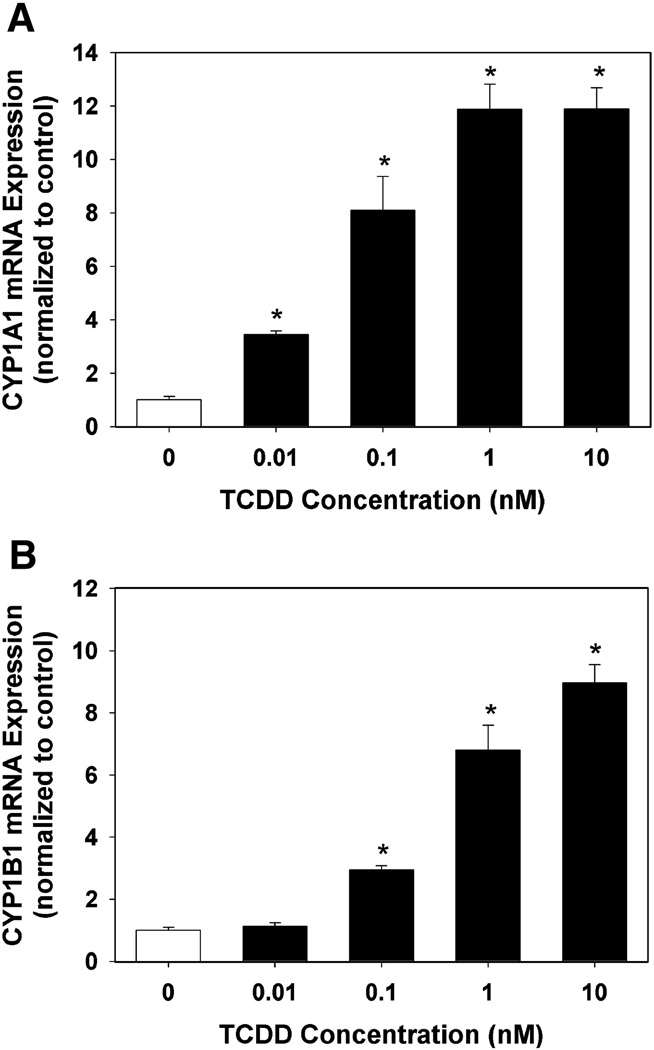
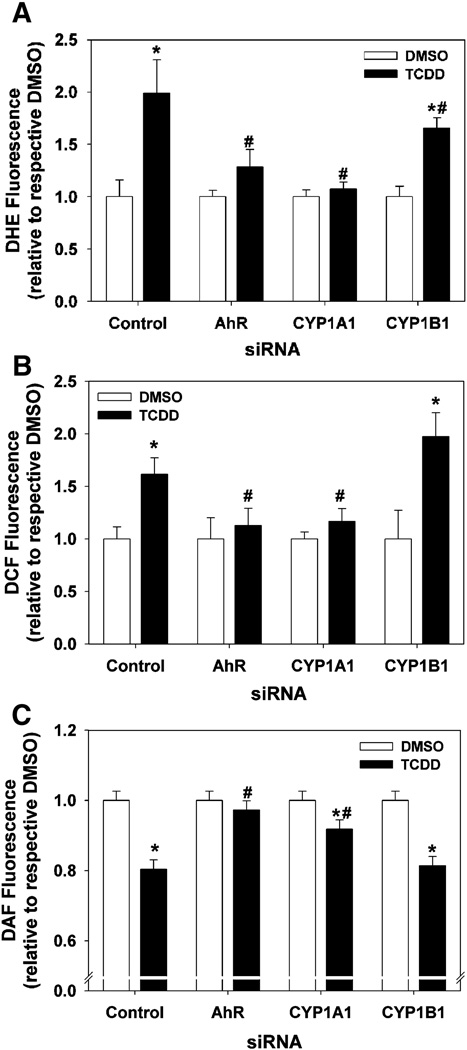
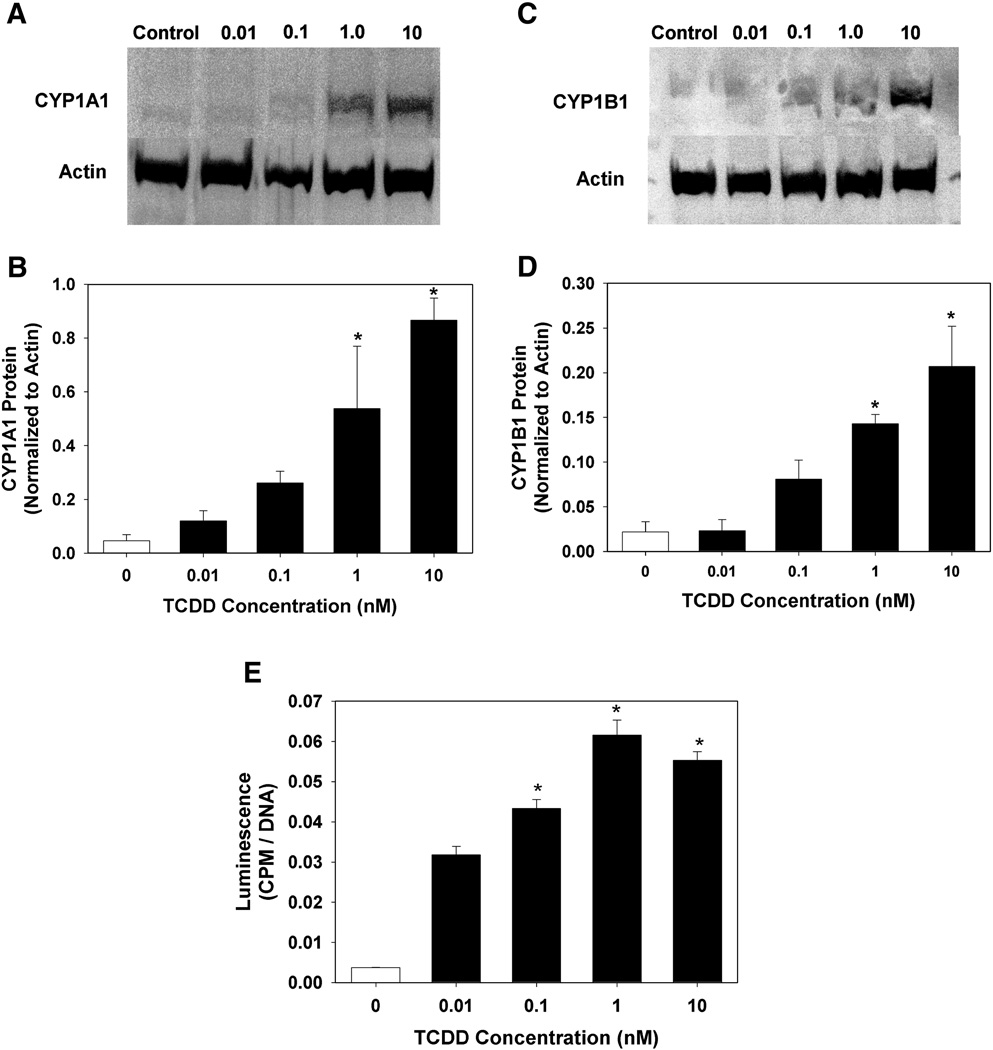
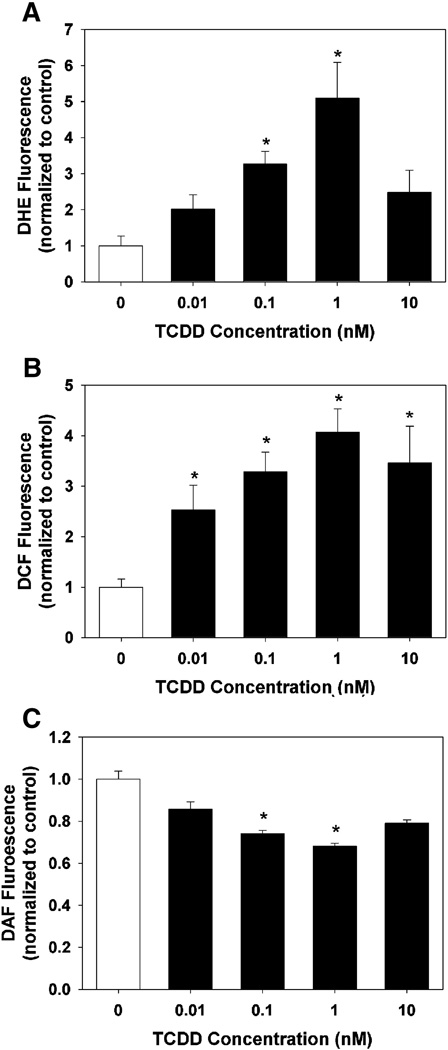
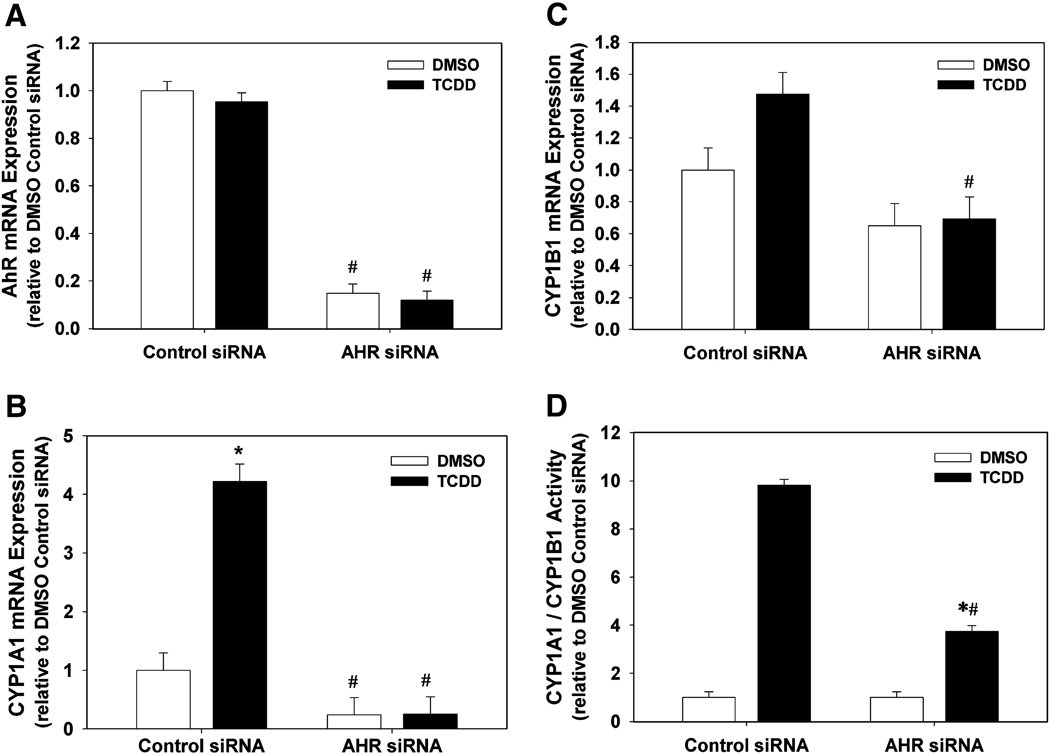
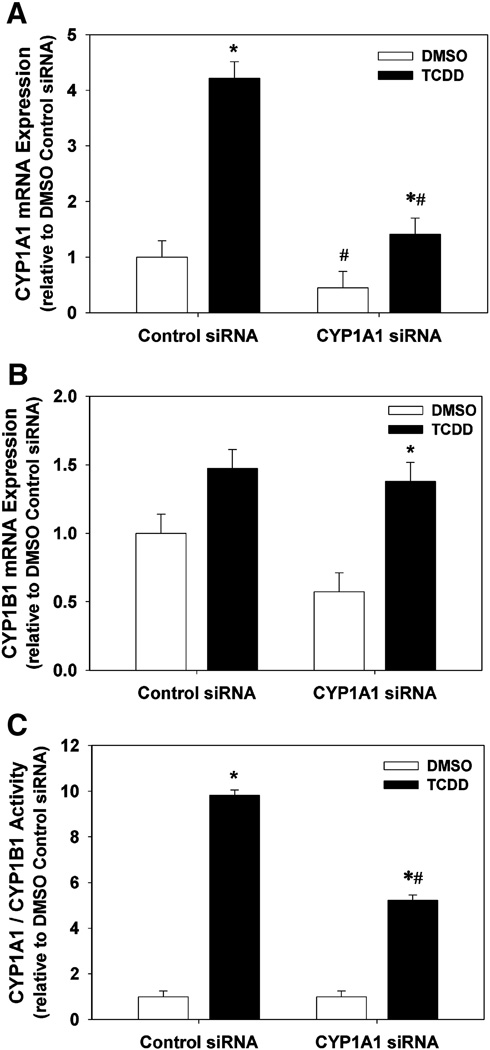
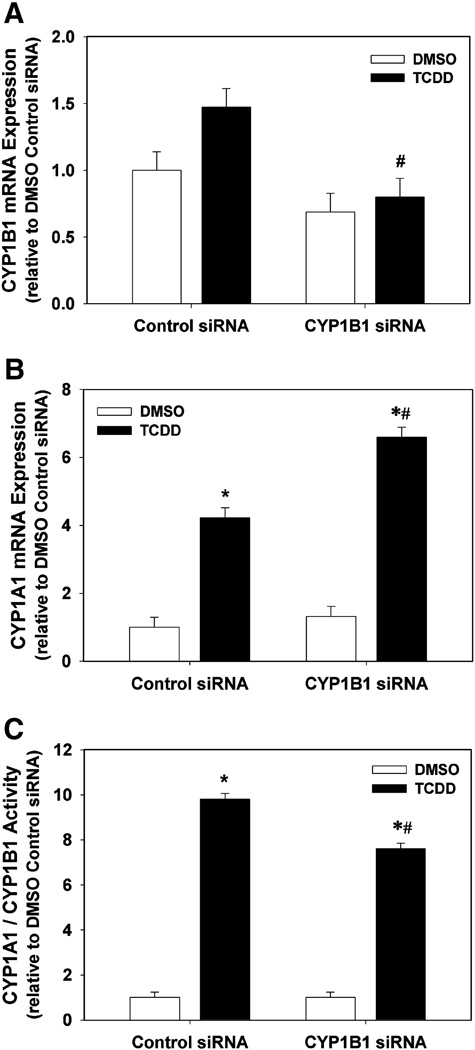
Studies in our laboratory have demonstrated that subchronic 2,3,7,8,-tetrachlorodibenzo-p-dioxin (TCDD) exposure of adult mice results in hypertension, cardiac hypertrophy, and reduced nitric oxide (NO)-mediated vasodilation. Moreover, increased superoxide anion production was observed in cardiovascular organs of TCDD-exposed mice and this increase contributed to the reduced NO-mediated vasodilation. Since cytochrome P4501A1 (CYP1A1) can contribute to some TCDD-induced toxicity, we tested the hypothesis that TCDD increases reactive oxygen species (ROS) in endothelial cells by the induction of CYP1A1. A concentration-response to 24h TCDD exposure (10pM-10nM) was performed in confluent primary human aortic endothelial cells (HAECs). Oxidant-sensitive fluorescent probes dihydroethidium (DHE) and 2',7'-dichlorofluorescin diacetate (DCFH-DA), were used to measure superoxide anion, and hydrogen peroxide and hydroxyl radical, respectively. NO was also measured using the fluorescent probe diaminofluorescein-2 diacetate (DAF-2DA). These assessments were conducted in HAECs transfected with siRNA targeting the aryl hydrocarbon receptor (AhR), CYP1A1, or CYP1B1. TCDD concentration-dependently increased CYP1A1 and CYP1B1 mRNA, protein, and enzyme activity. Moreover, 1nM TCDD maximally increased DHE (Cont=1.0+/-0.3; TCDD=5.1+/-1.0; p=0.002) and DCFH-DA (Cont=1.0+/-0.2; TCDD=4.1+/-0.5; p=0.002) fluorescence and maximally decreased DAF-2DA fluorescence (Cont=1.0+/-0.4; TCDD=0.68+/-0.1). siRNA targeting AhR and CYP1A1 significantly decreased TCDD-induced DHE (siAhR: Cont=1.0+/-0.1; TCDD=1.3+/-0.2; p=0.093) (siCYP1A1: Cont=1.0+/-0.1; TCDD=1.1+/-0.1; p=0.454) and DCFH-DA (siAhR: Cont=1.0+/-0.2; TCDD=1.3+/-0.3; p=0.370) (siCYP1A1: Cont=1.0+/-0.1; TCDD=1.3+/-0.2; p=0.114) fluorescence and increased DAF-2DA fluorescence (siAhR: Cont=1.00+/-0.03; TCDD=0.97+/-0.03; p=0.481) (siCYP1A1: Cont=1.00+/-0.03; TCDD=0.92+/-0.03; p=0.034), while siRNA targeting CYP1B1 did not. These data suggest that TCDD-induced increase in ROS is AhR-dependent and may be mediated, in part, by CYP1A1 induction.
本实验室的研究表明,亚慢性 2,3,7,8-四氯二苯并对二恶英(TCDD)暴露于成年小鼠会导致高血压、心脏肥大和一氧化氮(NO)介导的血管舒张减少。此外,在 TCDD 暴露的小鼠的心血管器官中观察到超氧阴离子产生增加,并且这种增加导致 NO 介导的血管舒张减少。由于细胞色素 P4501A1(CYP1A1)可以导致一些 TCDD 诱导的毒性,我们测试了 TCDD 通过诱导 CYP1A1 在内皮细胞中增加活性氧物种(ROS)的假设。在汇合的原代人主动脉内皮细胞(HAEC)中进行了 24 小时 TCDD 暴露(10pM-10nM)的浓度反应。使用二氢乙啶(DHE)和 2',7'-二氯荧光素二乙酸酯(DCFH-DA)等氧化敏感荧光探针分别测量超氧阴离子、过氧化氢和羟基自由基。还使用荧光探针二氨基荧光素-2 二乙酸酯(DAF-2DA)测量 NO。这些评估是在靶向芳香烃受体(AhR)、CYP1A1 或 CYP1B1 的 siRNA 转染的 HAEC 中进行的。TCDD 浓度依赖性地增加 CYP1A1 和 CYP1B1 mRNA、蛋白质和酶活性。此外,1nM TCDD 最大程度地增加了 DHE(Cont=1.0+/-0.3;TCDD=5.1+/-1.0;p=0.002)和 DCFH-DA(Cont=1.0+/-0.2;TCDD=4.1+/-0.5;p=0.002)荧光,并最大程度地降低了 DAF-2DA 荧光(Cont=1.0+/-0.4;TCDD=0.68+/-0.1)。靶向 AhR 和 CYP1A1 的 siRNA 显著降低了 TCDD 诱导的 DHE(siAhR:Cont=1.0+/-0.1;TCDD=1.3+/-0.2;p=0.093)(siCYP1A1:Cont=1.0+/-0.1;TCDD=1.1+/-0.1;p=0.454)和 DCFH-DA(siAhR:Cont=1.0+/-0.2;TCDD=1.3+/-0.3;p=0.370)(siCYP1A1:Cont=1.0+/-0.1;TCDD=1.3+/-0.2;p=0.114)荧光并增加了 DAF-2DA 荧光(siAhR:Cont=1.00+/-0.03;TCDD=0.97+/-0.03;p=0.481)(siCYP1A1:Cont=1.00+/-0.03;TCDD=0.92+/-0.03;p=0.034),而靶向 CYP1B1 的 siRNA 则没有。这些数据表明,TCDD 诱导的 ROS 增加是 AhR 依赖性的,并且可能部分由 CYP1A1 诱导介导。