Department of Medical and Molecular Genetics, School of Clinical and Experimental Medicine, University of Birmingham College of Medical and Dental School, Institute of Biomedical Research, Edgbaston, Birmingham, UK.
Gastroenterology. 2010 Jun;138(7):2388-98, 2398.e1-2. doi: 10.1053/j.gastro.2010.02.010. Epub 2010 Feb 20.
BACKGROUND & AIMS: Trichohepatoenteric syndrome (THES) is an autosomal-recessive disorder characterized by life-threatening diarrhea in infancy, immunodeficiency, liver disease, trichorrhexis nodosa, facial dysmorphism, hypopigmentation, and cardiac defects. We attempted to characterize the phenotype and elucidate the molecular basis of THES.
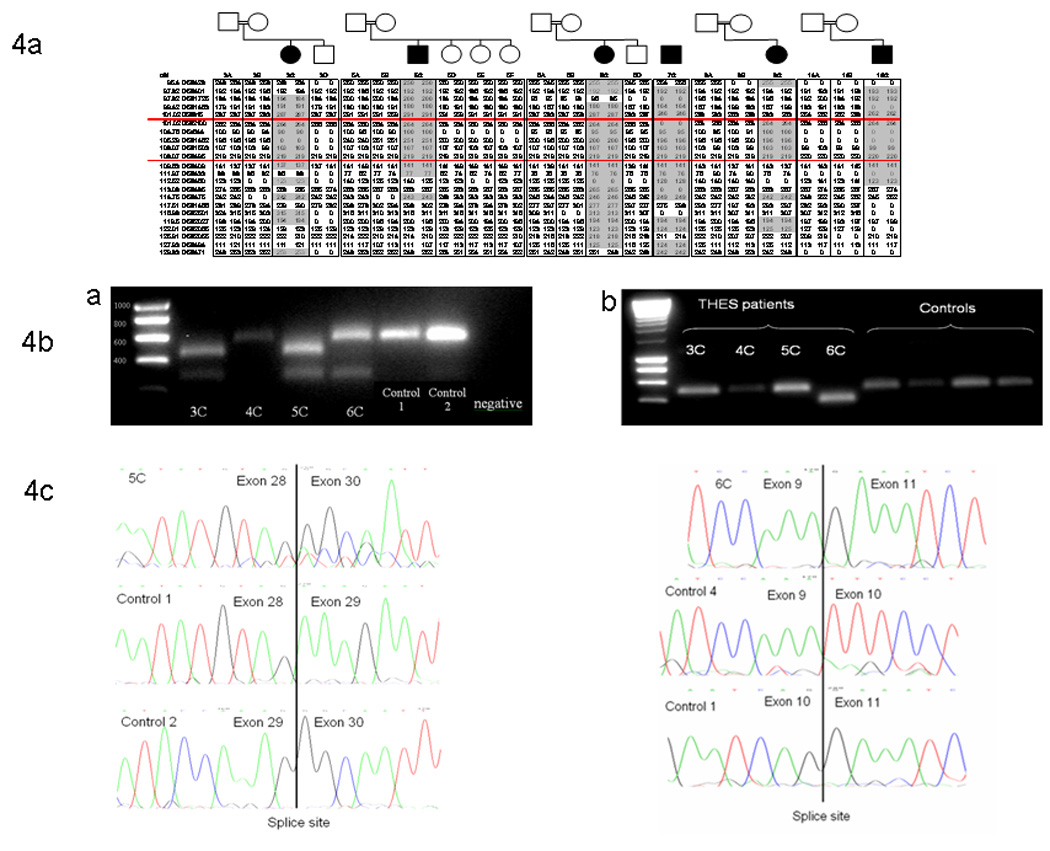
Twelve patients with classic THES from 11 families had detailed phenotyping. Autozygosity mapping was undertaken in 8 patients from consanguineous families using 250,000 single nucleotide polymorphism arrays and linked regions evaluated using microsatellite markers. Linkage was confirmed to one region from which candidate genes were analyzed. The effect of mutations on protein production and/or localization in hepatocytes and intestinal epithelial cells from affected patients was characterized by immunohistochemistry.
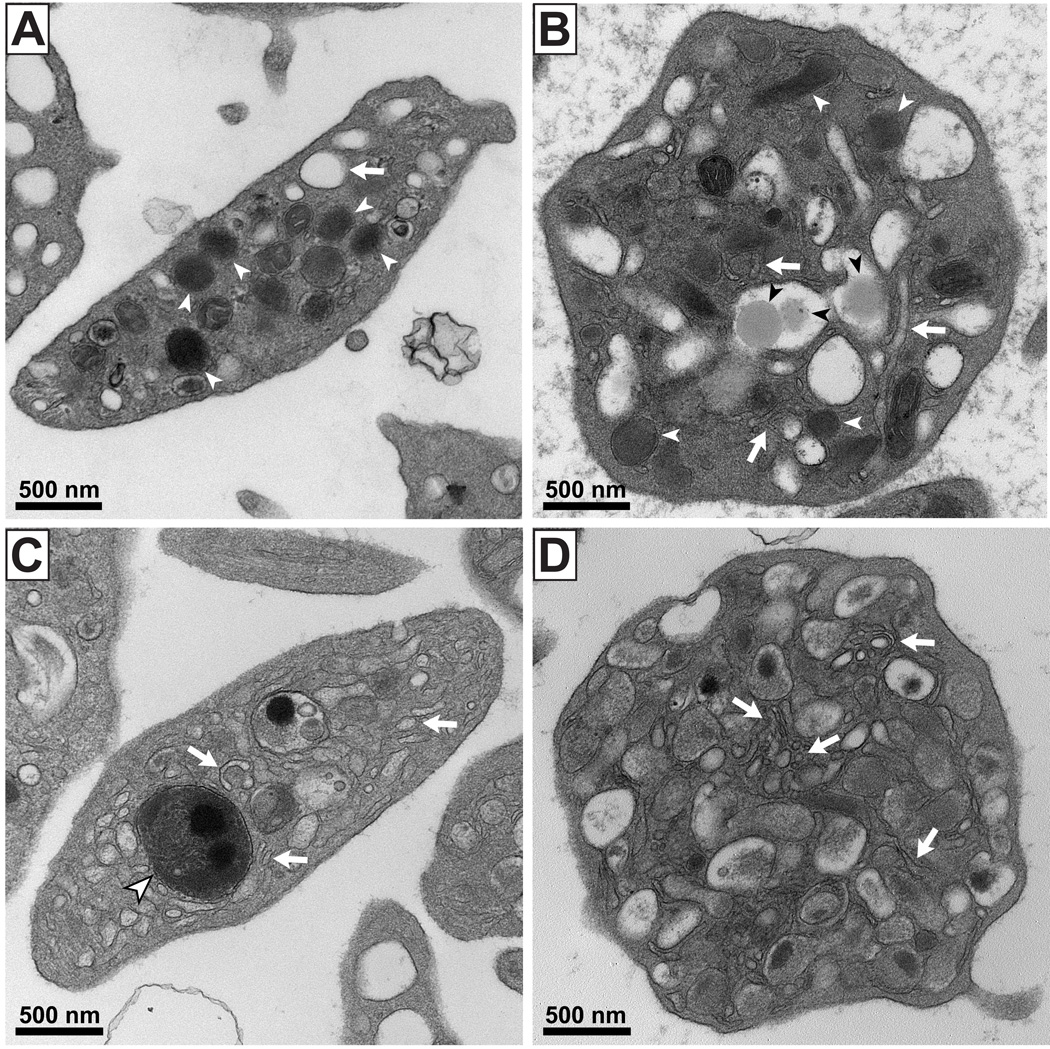
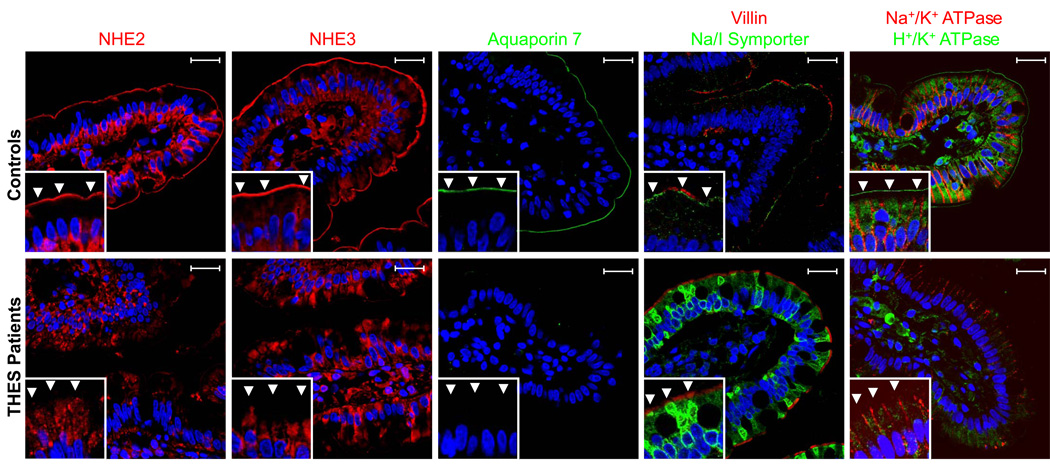
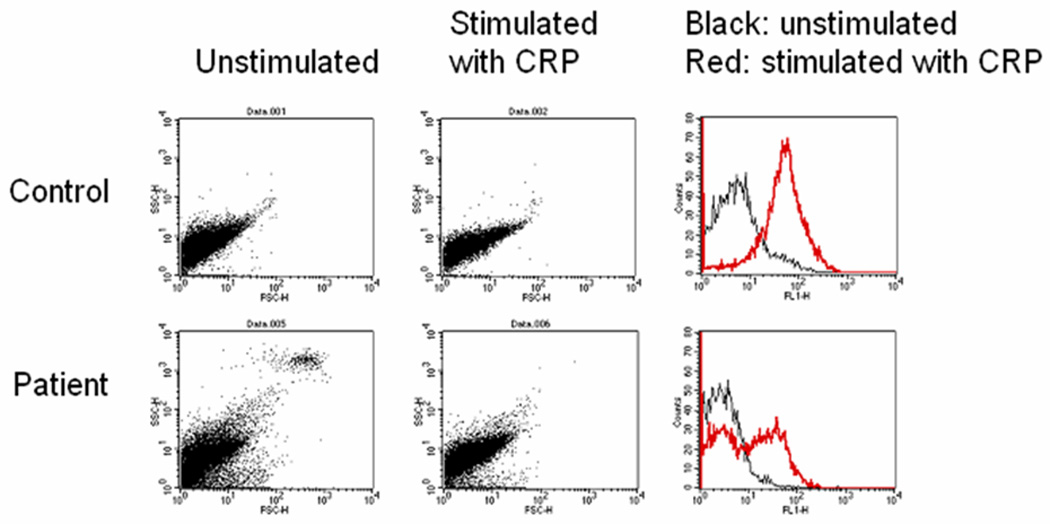
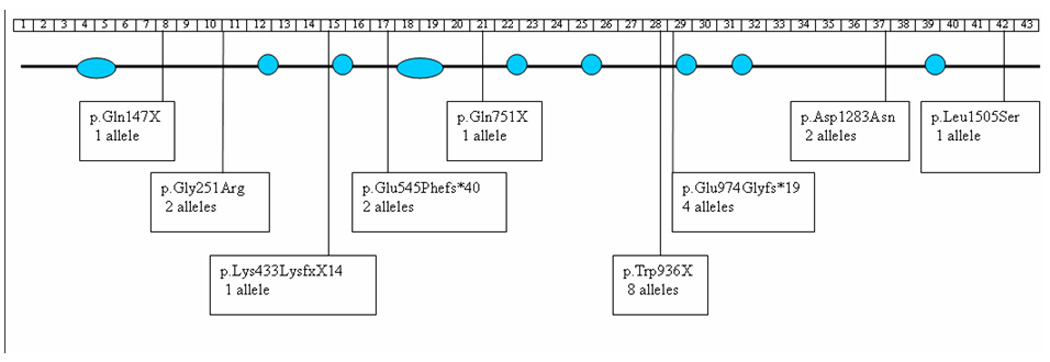
Previously unrecognized platelet abnormalities (reduced platelet alpha-granules, unusual stimulated alpha granule content release, abnormal lipid inclusions, abnormal platelet canalicular system, and reduced number of microtubules) were identified. The THES locus was mapped to 5q14.3-5q21.2. Sequencing of candidate genes showed mutations in TTC37, which encodes the uncharacterized tetratricopeptide repeat protein, thespin. Bioinformatic analysis suggested thespin to be involved in protein-protein interactions or chaperone. Preliminary studies of enterocyte brush-border ion transporter proteins (sodium hydrogen exchanger 2, sodium hydrogen exchanger 3, aquaporin 7, sodium iodide symporter, and hydrogen potassium adenosine triphosphatase [ATPase]) showed reduced expression or mislocalization in all THES patients with different profiles for each. In contrast the basolateral localization of Na/K ATPase was not altered.
THES is caused by mutations in TTC37. TTC37 mutations have a multisystem effect, which may be owing to abnormal stability and/or intracellular localization of TTC37 target proteins.
肠-毛-皮脂腺综合征(THES)是一种常染色体隐性遗传病,其特征为婴儿期致命性腹泻、免疫缺陷、肝脏疾病、发结性脆发症、面部畸形、色素减退和心脏缺陷。我们试图对其表型进行特征描述并阐明其分子基础。
对 11 个家系的 12 例经典 THES 患者进行详细表型分析。8 例来自近亲家庭的患者采用 25 万个单核苷酸多态性微阵列进行同源性定位,并利用微卫星标记评估连锁区域。对一个确定的区域进行连锁分析,对候选基因进行分析。采用免疫组化法分析突变对受影响患者肝细胞和肠上皮细胞中蛋白质产生和/或定位的影响。
鉴定出先前未被认识的血小板异常(血小板α-颗粒减少、异常刺激α 颗粒内容物释放、异常脂质包涵体、异常血小板小管系统和微管减少)。THES 基因定位于 5q14.3-5q21.2。候选基因测序显示 TTC37 基因突变,该基因编码尚未鉴定的四肽重复蛋白 thespin。生物信息学分析提示 thespin 可能参与蛋白-蛋白相互作用或分子伴侣。对肠上皮细胞刷状缘离子转运蛋白(钠氢交换蛋白 2、钠氢交换蛋白 3、水通道蛋白 7、碘钠同向转运体和氢钾三磷酸腺苷酶[ATP 酶])的初步研究显示,所有 THES 患者的表达减少或定位异常,每种蛋白的表现均不同。相比之下,Na/K ATP 酶的基底外侧定位没有改变。
THES 是由 TTC37 基因突变引起的。TTC37 突变具有多系统效应,可能是由于 TTC37 靶蛋白的稳定性和/或细胞内定位异常所致。