Department Cell Biology, Louisiana State University Health Sciences Center, Shreveport, LA 71130, USA.
Circ Res. 2010 Apr 30;106(8):1394-403. doi: 10.1161/CIRCRESAHA.109.210286. Epub 2010 Mar 11.
Atherosclerosis is initiated by blood flow patterns that activate inflammatory pathways in endothelial cells. Activation of inflammatory signaling by fluid shear stress is highly dependent on the composition of the subendothelial extracellular matrix. The basement membrane proteins laminin and collagen found in normal vessels suppress flow-induced p21 activated kinase (PAK) and nuclear factor (NF)-kappaB activation. By contrast, the provisional matrix proteins fibronectin and fibrinogen found in wounded or inflamed vessels support flow-induced PAK and NF-kappaB activation. PAK mediates both flow-induced permeability and matrix-specific activation of NF-kappaB.
To elucidate the mechanisms regulating matrix-specific PAK activation.
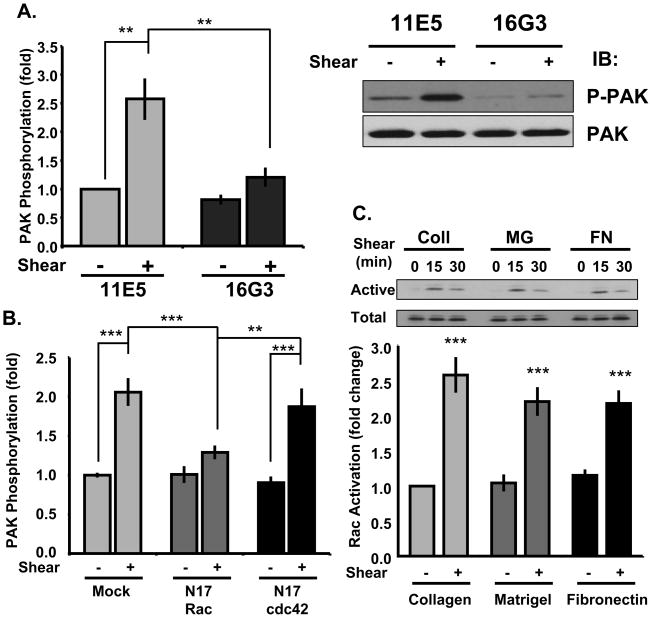
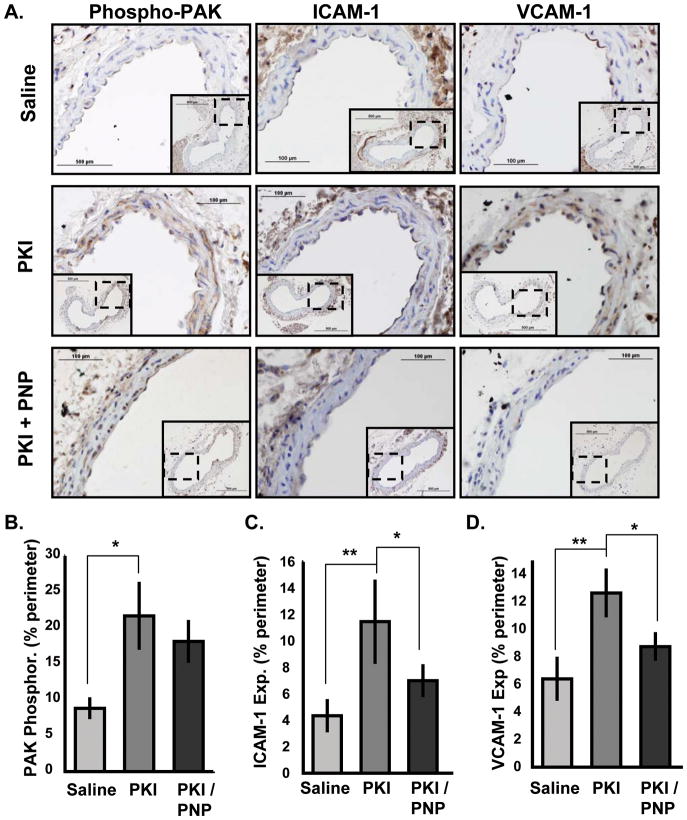
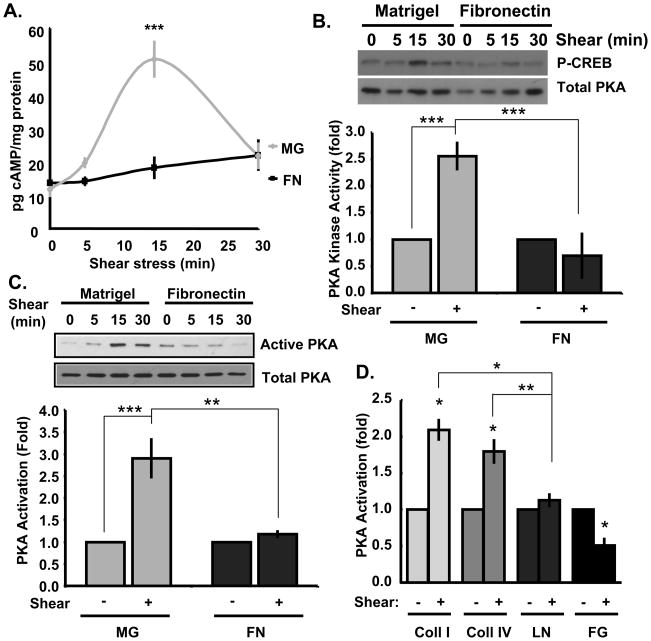
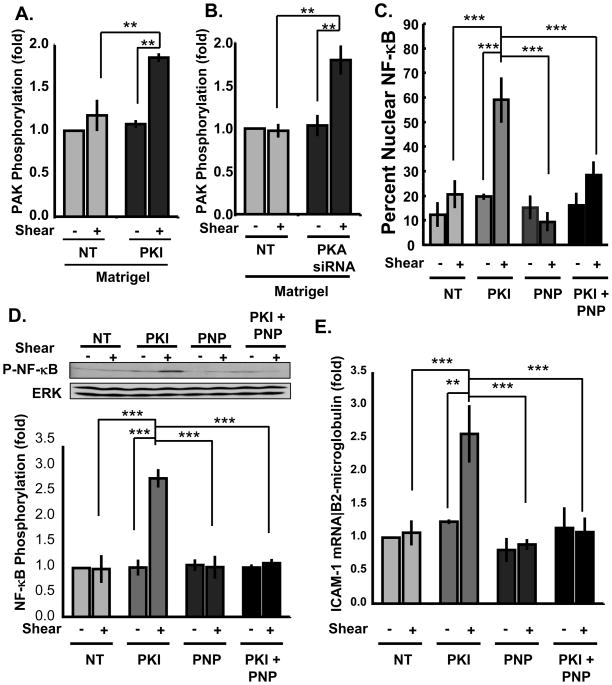
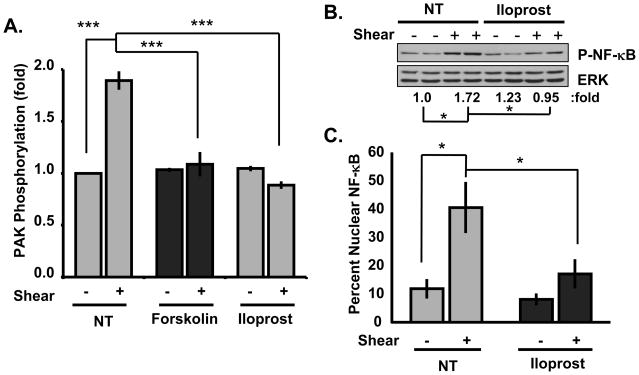
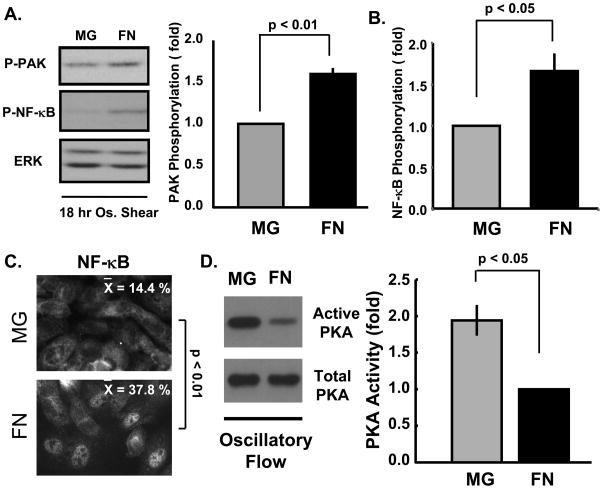
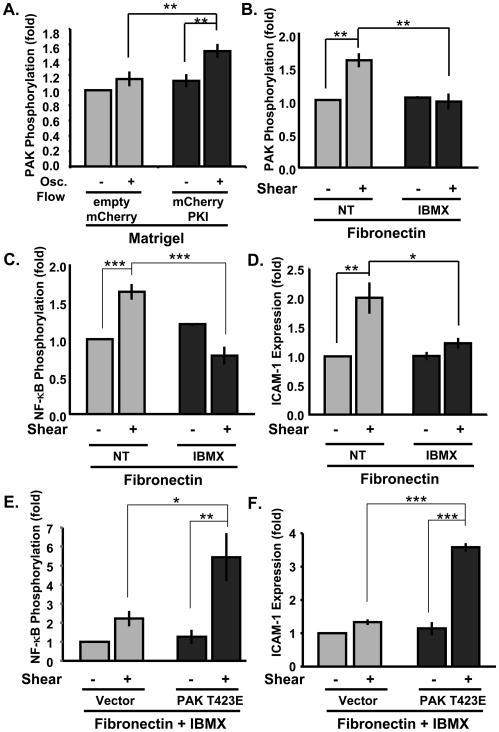
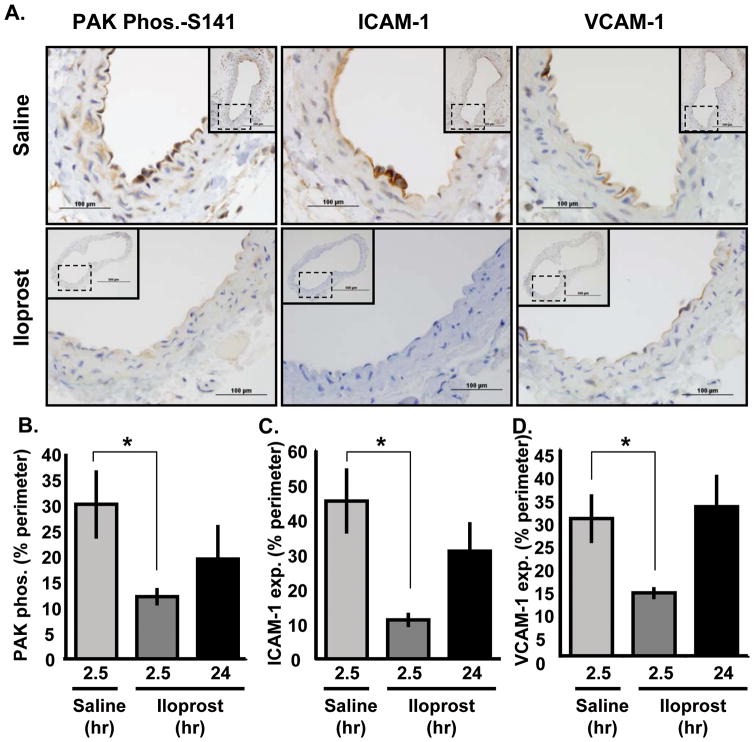
We now show that matrix composition does not affect the upstream pathway by which flow activates PAK (integrin activation, Rac). Instead, basement membrane proteins enhance flow-induced protein kinase (PK)A activation, which suppresses PAK. Inhibiting PKA restored flow-induced PAK and NF-kappaB activation in cells on basement membrane proteins, whereas stimulating PKA inhibited flow-induced activation of inflammatory signaling in cells on fibronectin. PKA suppressed inflammatory signaling through PAK inhibition. Activating PKA by injection of the prostacyclin analog iloprost reduced PAK activation and inflammatory gene expression at sites of disturbed flow in vivo, whereas inhibiting PKA by PKA inhibitor (PKI) injection enhanced PAK activation and inflammatory gene expression. Inhibiting PAK prevented the enhancement of inflammatory gene expression by PKI.
Basement membrane proteins inhibit inflammatory signaling in endothelial cells via PKA-dependent inhibition of PAK.
动脉粥样硬化是由激活血管内皮细胞炎症途径的血流模式引发的。流体切应力对炎症信号的激活高度依赖于血管基底膜下细胞外基质的组成。在正常血管中发现的基底膜蛋白层粘连蛋白和胶原蛋白抑制了流动诱导的 p21 激活激酶(PAK)和核因子(NF)-kappaB 的激活。相比之下,在受伤或发炎的血管中发现的临时基质蛋白纤连蛋白和纤维蛋白原支持流动诱导的 PAK 和 NF-kappaB 激活。PAK 介导了流动诱导的通透性和基质特异性 NF-kappaB 的激活。
阐明调节基质特异性 PAK 激活的机制。
我们现在表明,基质组成不影响通过流动激活 PAK(整合素激活,Rac)的上游途径。相反,基底膜蛋白增强了流动诱导的蛋白激酶(PKA)的激活,从而抑制了 PAK。抑制 PKA 恢复了在基底膜蛋白上的细胞中流动诱导的 PAK 和 NF-kappaB 的激活,而刺激 PKA 抑制了在纤连蛋白上的细胞中流动诱导的炎症信号的激活。PKA 通过 PAK 抑制抑制炎症信号。通过注射前列环素类似物伊洛前列素激活 PKA,减少了体内紊乱流场中 PAK 的激活和炎症基因的表达,而通过 PKA 抑制剂(PKI)注射抑制 PKA 增强了 PAK 的激活和炎症基因的表达。抑制 PKA 可防止 PKI 增强炎症基因的表达。
基底膜蛋白通过 PKA 依赖性抑制 PAK 抑制血管内皮细胞中的炎症信号。