Nath Rahul K, Karicherla Priyanka, Mahmooduddin Faiz
Texas Nerve and Paralysis Institute, Houston, TX, USA.
Childs Nerv Syst. 2010 Aug;26(8):1009-19. doi: 10.1007/s00381-010-1174-2. Epub 2010 May 16.
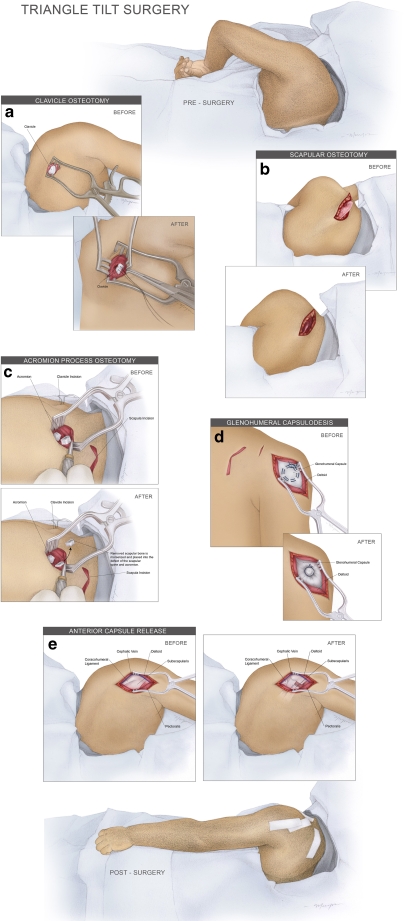
Untreated complete obstetric brachial plexus injury (COBPI) usually results in limited spontaneous recovery of shoulder function. Older methods used to treat COBPI have had questionable success, with very few studies being published. The purpose of the current study was to examine the results of triangle tilt surgery on shoulder function and development in COBPI individuals.
This study was conducted as a retrospective chart review. Inclusion criteria were COBPI patients that had undergone the triangle tilt procedure from 2005 to 2009 and were between the ages of 9 months and 12 years. COBPI was defined as permanent injury to all five nerve roots (C5-T1), with significant degradation in development and function of the hand. Twenty-five patients with a mean age of 5 (0.75-12) years were followed up clinically for more than 2 years.
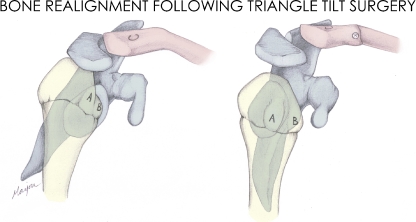
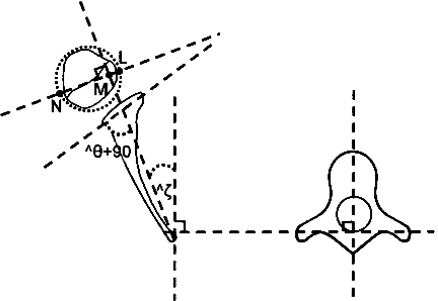
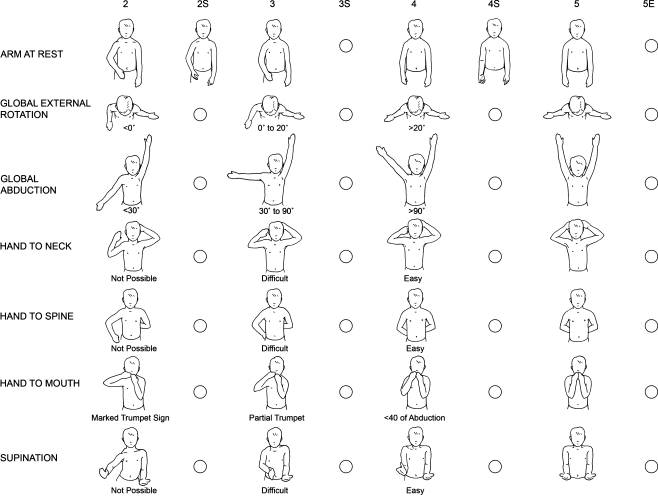
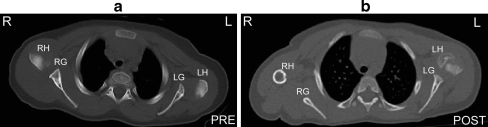
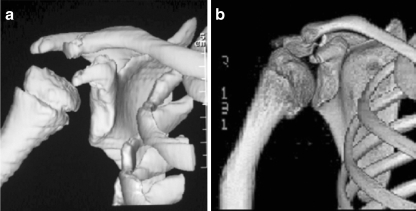
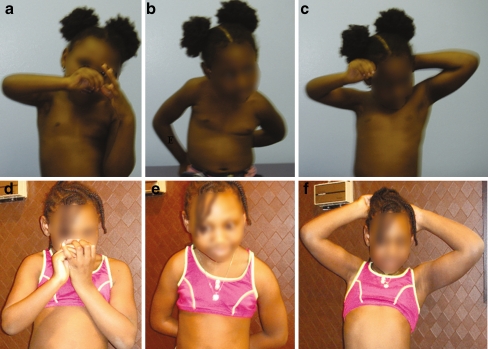
The triangle tilt procedure resulted in demonstrable clinical enhancements with appreciable improvements in shoulder function, glenoid version, and humeral head congruity. There was a significant increase in the overall Mallet score (2.4 points, p < 0.0001) following surgical correction in patients that were followed up for more than 2 years.
The results of this study demonstrate that COBPI patients who develop SHEAR and medial rotation contracture deformities can benefit from the triangle tilt surgery, which improves shoulder function and anatomy across a range of pediatric ages. Despite these patients presenting late for surgery in general (5 years), significant improvements were observed in their glenohumeral (GH) dysplasia and their ability to perform shoulder and arm movements following surgery.
未经治疗的完全性产科臂丛神经损伤(COBPI)通常导致肩部功能的自发恢复有限。过去用于治疗COBPI的方法成功率存疑,相关研究发表极少。本研究的目的是探讨三角倾斜手术对COBPI患者肩部功能和发育的效果。
本研究采用回顾性病历审查。纳入标准为2005年至2009年间接受三角倾斜手术、年龄在9个月至12岁之间的COBPI患者。COBPI定义为所有五个神经根(C5 - T1)的永久性损伤,手部发育和功能显著退化。25例平均年龄为5岁(0.75 - 12岁)的患者接受了超过2年的临床随访。
三角倾斜手术带来了明显的临床改善,肩部功能、关节盂形态和肱骨头一致性均有显著提高。随访超过2年的患者术后整体槌状指评分显著增加(2.4分,p < 0.0001)。
本研究结果表明,出现剪切和内旋挛缩畸形的COBPI患者可从三角倾斜手术中获益,该手术可改善各年龄段儿童的肩部功能和解剖结构。尽管这些患者通常手术较晚(5岁),但术后其盂肱关节(GH)发育不良以及肩部和手臂运动能力仍有显著改善。