Gastrointestinal Unit, Center for the Study of Inflammatory Bowel Diseases, Massachusetts General Hospital, and Harvard Medical School, Boston, MA 02114, USA.
J Exp Med. 2010 Jun 7;207(6):1145-52. doi: 10.1084/jem.20091245. Epub 2010 May 31.
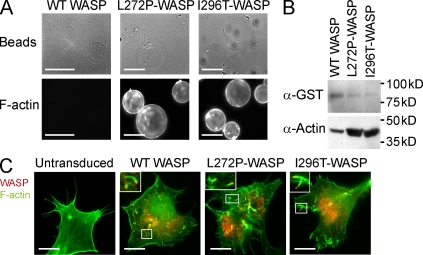
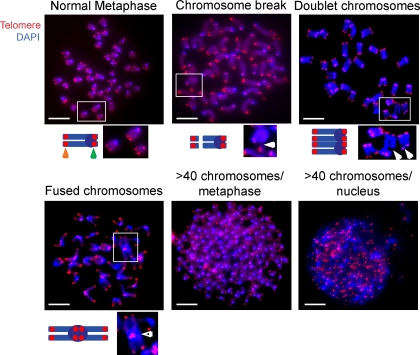
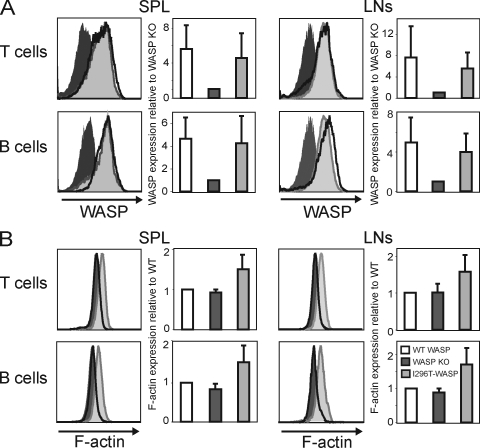
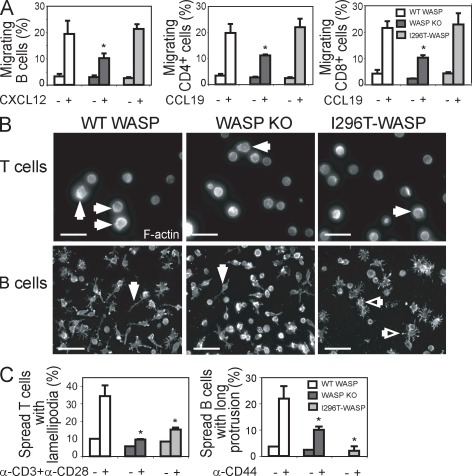
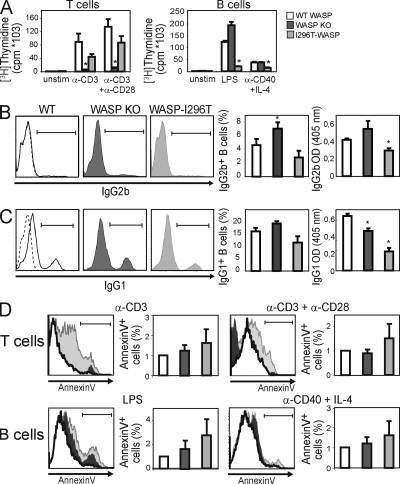
X-linked neutropenia (XLN) is caused by activating mutations in the Wiskott-Aldrich syndrome protein (WASP) that result in aberrant autoinhibition. Although patients with XLN appear to have only defects in myeloid lineages, we hypothesized that activating mutations of WASP are likely to affect the immune system more broadly. We generated mouse models to assess the role of activating WASP mutations associated with XLN (XLN-WASP) in lymphocytes. XLN-WASP is expressed stably in B and T cells and induces a marked increase in polymerized actin. XLN-WASP-expressing B and T cells migrate toward chemokines but fail to adhere normally. In marked contrast to WASP-deficient cells, XLN-WASP-expressing T cells proliferate normally in response to cell-surface receptor activation. However, XLN-WASP-expressing B cells fail to proliferate and secrete lower amounts of antibodies. Moreover, XLN-WASP expression in lymphocytes results in modestly increased apoptosis associated with increased genomic instability. These data indicate that there are unique requirements for the presence and activation status of WASP in B and T cells and that WASP-activating mutations interfere with lymphocyte cell survival and genomic stability.
X 连锁中性粒细胞减少症(XLN)是由 Wiskott-Aldrich 综合征蛋白(WASP)的激活突变引起的,导致异常的自身抑制。尽管 XLN 患者似乎仅在骨髓谱系中存在缺陷,但我们假设 WASP 的激活突变可能更广泛地影响免疫系统。我们生成了小鼠模型来评估与 XLN 相关的激活 WASP 突变(XLN-WASP)在淋巴细胞中的作用。XLN-WASP 在 B 和 T 细胞中稳定表达,并诱导聚合肌动蛋白的显著增加。表达 XLN-WASP 的 B 和 T 细胞向趋化因子迁移,但不能正常粘附。与 WASP 缺陷细胞形成鲜明对比的是,XLN-WASP 表达的 T 细胞在响应细胞表面受体激活时正常增殖。然而,表达 XLN-WASP 的 B 细胞不能增殖,并且分泌的抗体量减少。此外,淋巴细胞中 XLN-WASP 的表达导致与基因组不稳定性增加相关的适度增加的细胞凋亡。这些数据表明,B 和 T 细胞中 WASP 的存在和激活状态有独特的要求,并且 WASP 激活突变干扰淋巴细胞的存活和基因组稳定性。