Life Science Division, Lawrence Berkeley National Laboratory, Berkeley, CA 94720, USA.
Clin Cancer Res. 2010 Jun 15;16(12):3121-9. doi: 10.1158/1078-0432.CCR-09-2933. Epub 2010 Jun 8.
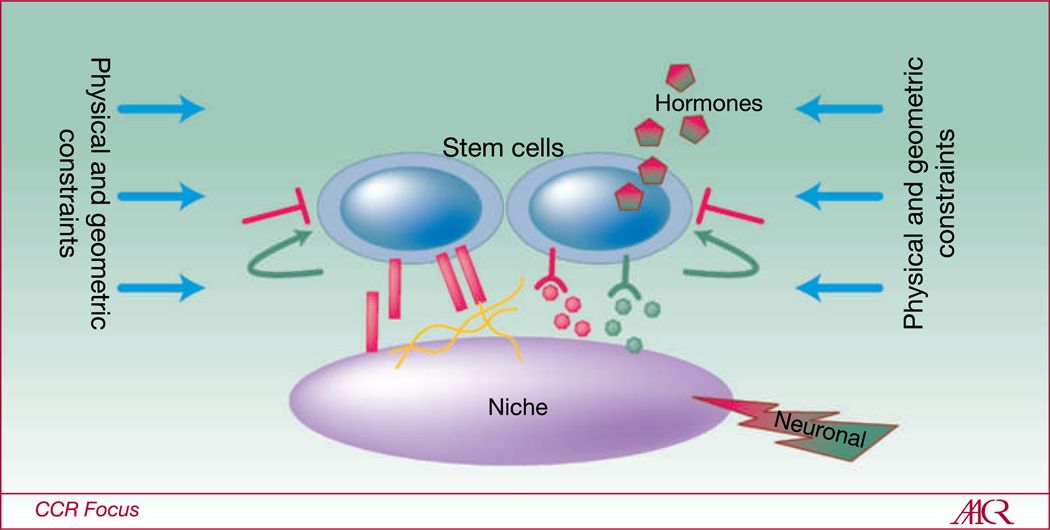
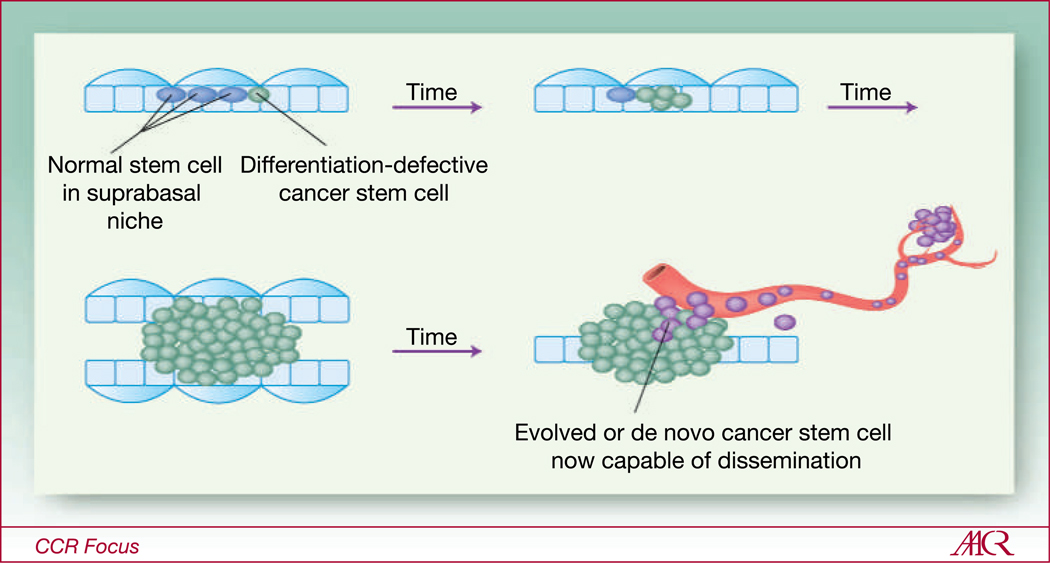
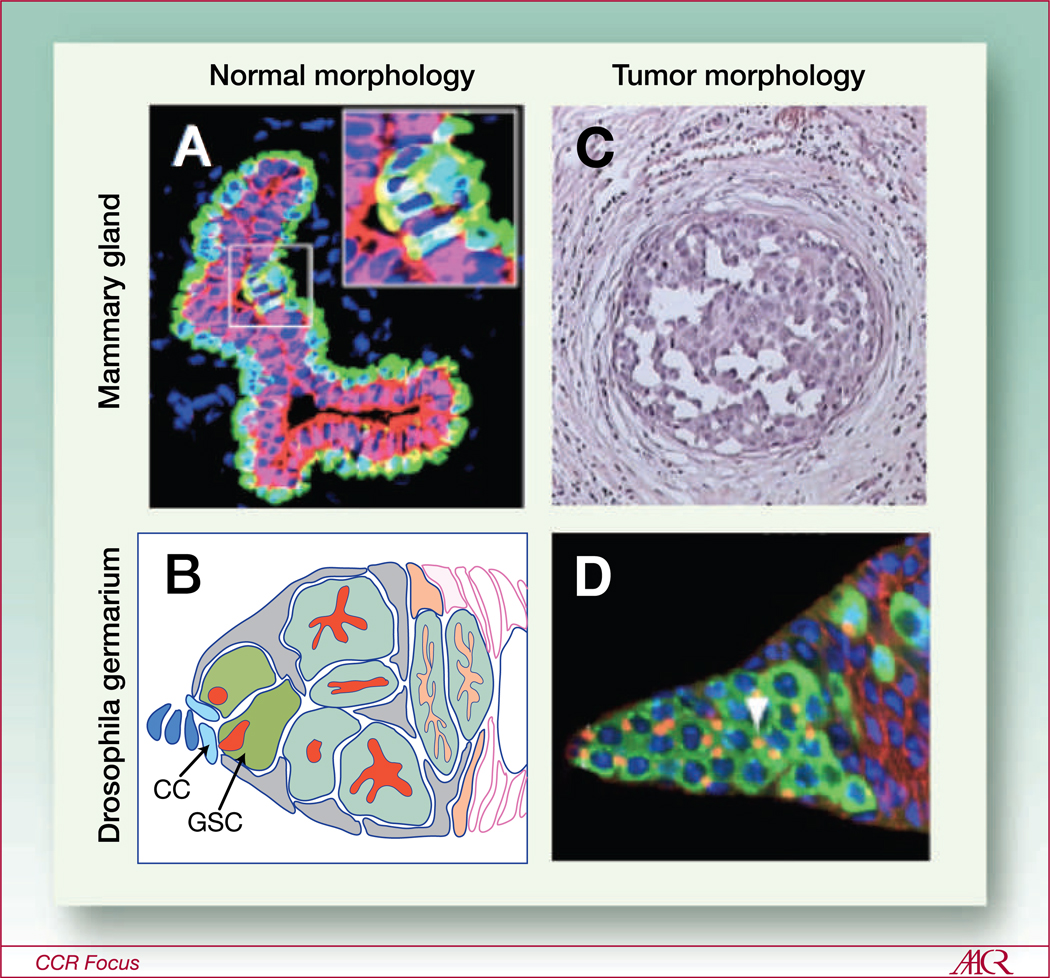
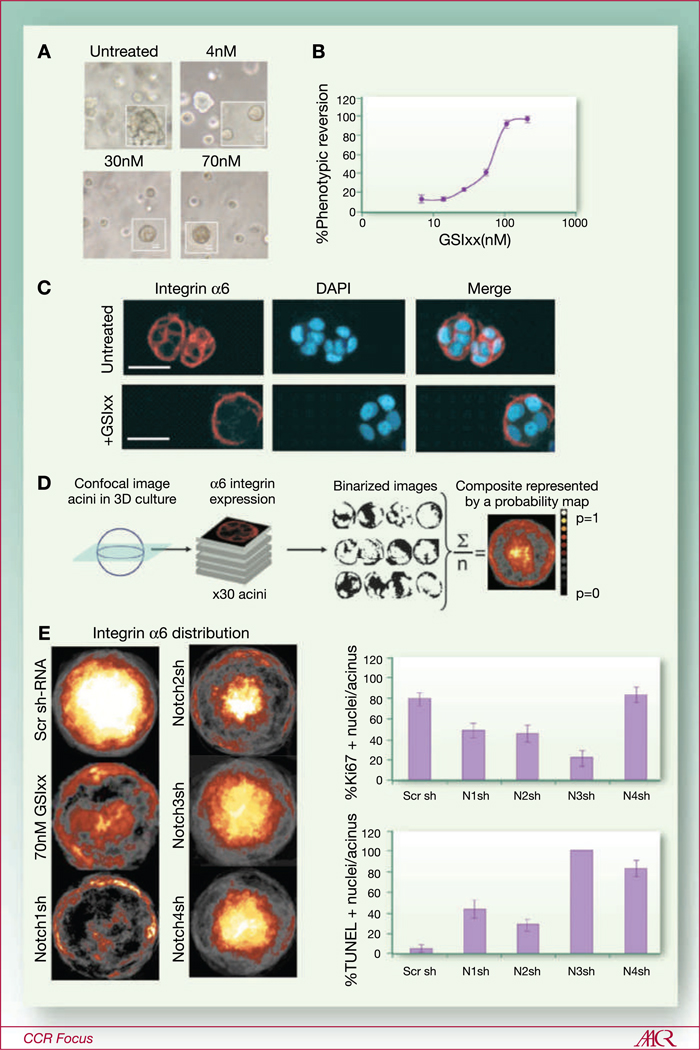
Normal stem cell niches typically are identified by their distinctive anatomical features and by association with tissue-specific stem cells. Identifying cancer stem cell (CSC) niches presents a special problem because there are few if any common anatomical features among tumors, and the physical phenotypes that reportedly describe the CSCs as entities may be subject to the host's microenvironment, sex, and tumor stage. Irrespective of a niche's location, the occupant's phenotype, or the precise molecular composition, all niches must do basically the same thing: maintain the activities in a stem cell that define it as such. Therefore, a potentially successful strategy, both for elaborating a molecular and cellular portrait of a CSC niche, and for therapeutically targeting them, is to identify components in the tumor microenvironment that are required for maintaining the functions of self-renewal, differentiation, and quiescence in the face of cytotoxic therapeutic regimens.
正常的干细胞龛通常通过其独特的解剖学特征和与组织特异性干细胞的关联来识别。鉴定癌症干细胞(CSC)龛位提出了一个特殊的问题,因为肿瘤之间几乎没有共同的解剖学特征,而且据报道描述 CSC 作为实体的物理表型可能受到宿主微环境、性别和肿瘤阶段的影响。无论龛位的位置、占据者的表型或确切的分子组成如何,所有龛位都必须基本做同样的事情:维持定义为干细胞的干细胞活动。因此,无论是详细阐述 CSC 龛位的分子和细胞特征,还是针对它们进行治疗,一个潜在的成功策略都是鉴定肿瘤微环境中的成分,这些成分对于维持自我更新、分化和在细胞毒性治疗方案中静止的功能是必需的。