Institut de Génétique Moléculaire de Montpellier, UMR 5535 CNRS, Montpellier, France.
PLoS Pathog. 2010 Jun 10;6(6):e1000948. doi: 10.1371/journal.ppat.1000948.
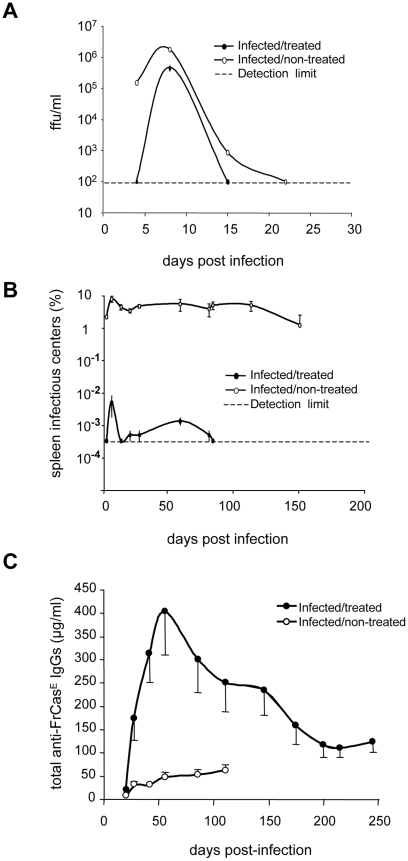
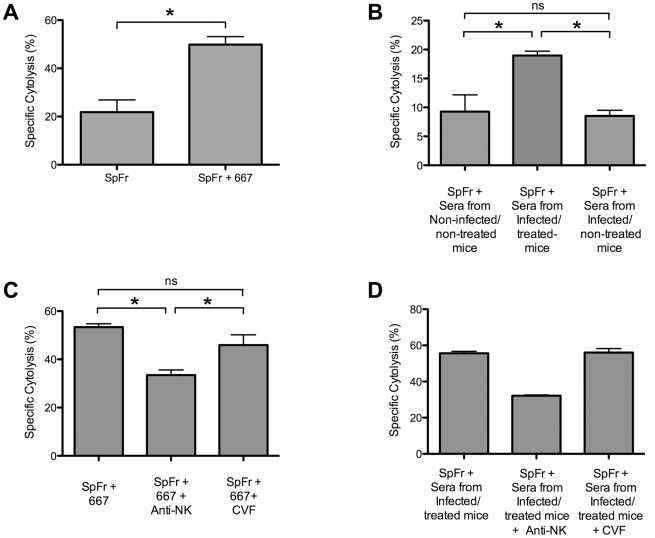
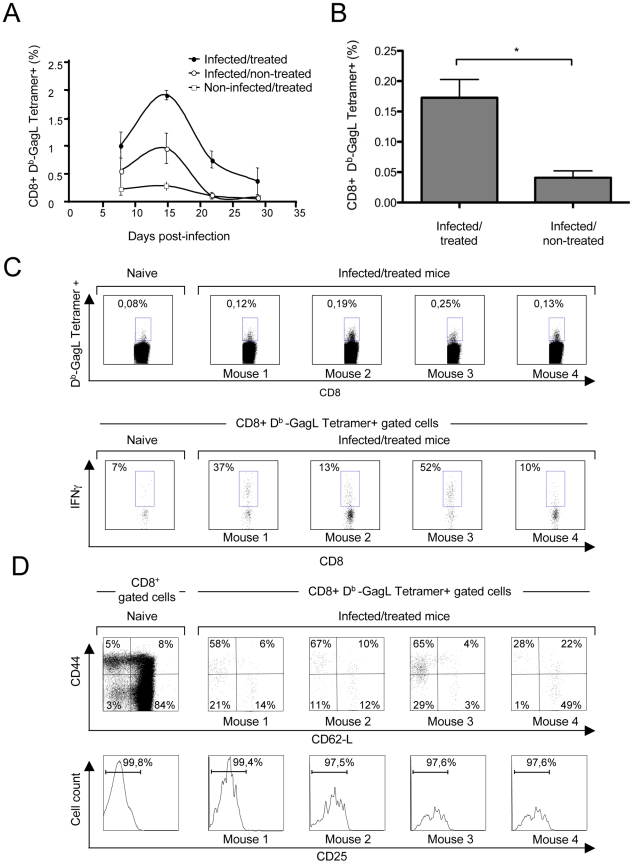
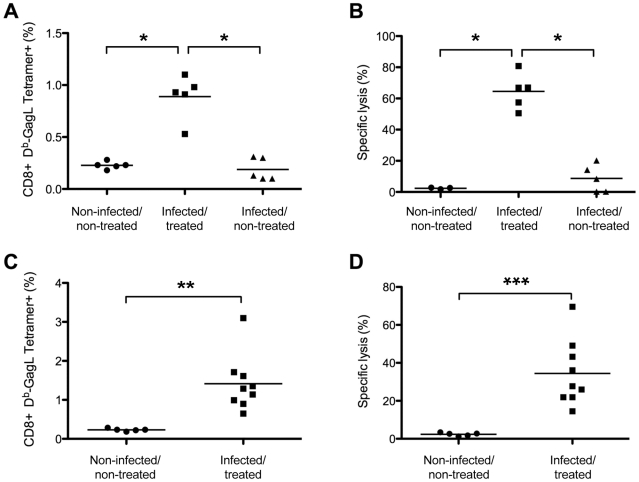
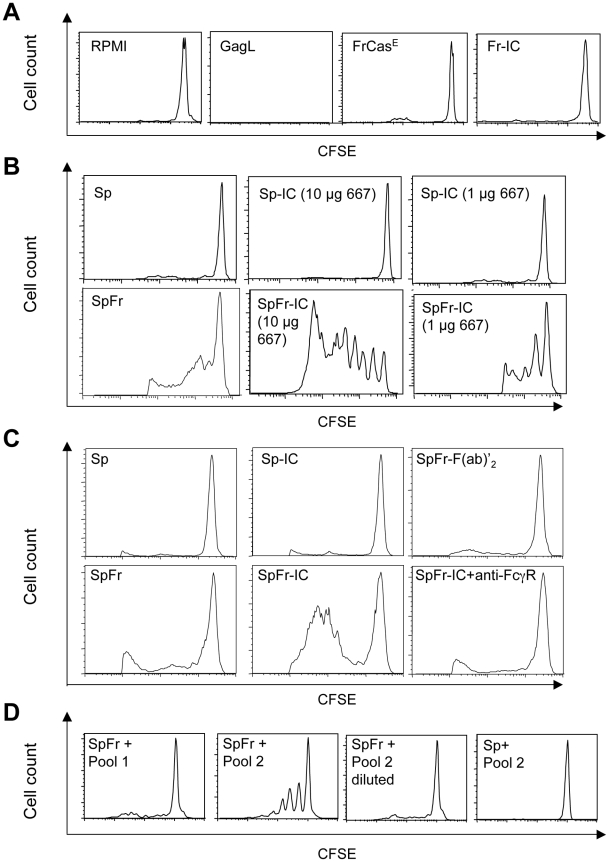
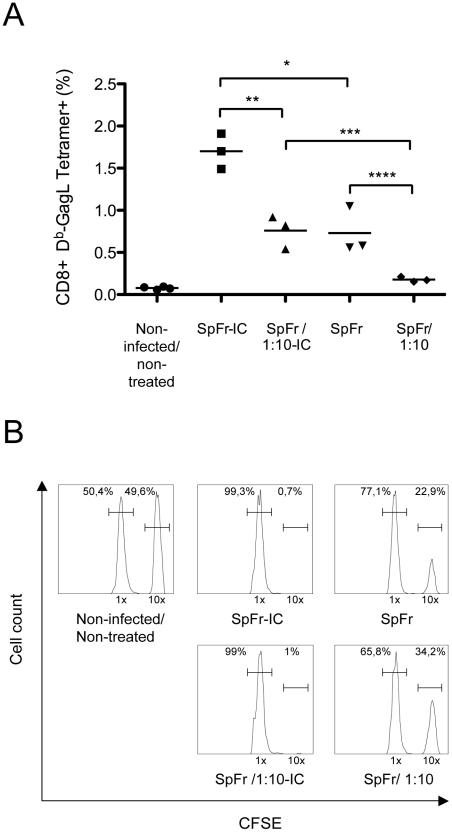
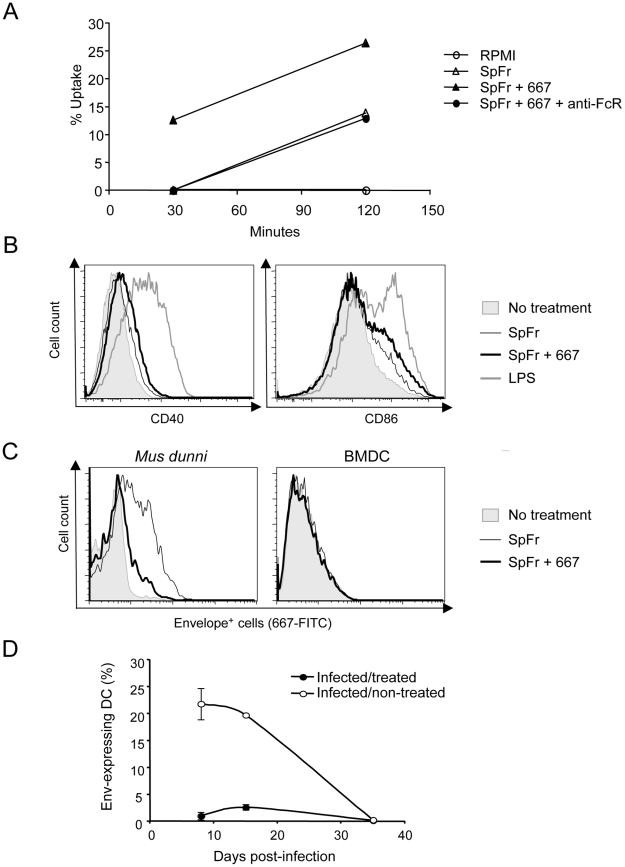
Antiviral monoclonal antibodies (mAbs) represent promising therapeutics. However, most mAbs-based immunotherapies conducted so far have only considered the blunting of viral propagation and not other possible therapeutic effects independent of virus neutralization, namely the modulation of the endogenous immune response. As induction of long-term antiviral immunity still remains a paramount challenge for treating chronic infections, we have asked here whether neutralizing mAbs can, in addition to blunting viral propagation, exert immunomodulatory effects with protective outcomes. Supporting this idea, we report here that mice infected with the FrCas(E) murine retrovirus on day 8 after birth die of leukemia within 4-5 months and mount a non-protective immune response, whereas those rapidly subjected to short immunotherapy with a neutralizing mAb survive healthy and mount a long-lasting protective antiviral immunity with strong humoral and cellular immune responses. Interestingly, the administered mAb mediates lysis of infected cells through an antibody-dependent cell cytotoxicity (ADCC) mechanism. In addition, it forms immune complexes (ICs) with infected cells that enhance antiviral CTL responses through Fc gammaR-mediated binding to dendritic cells (DCs). Importantly, the endogenous antiviral antibodies generated in mAb-treated mice also display the same properties, allowing containment of viral propagation and enhancement of memory cellular responses after disappearance of the administered mAb. Thus, our data demonstrate that neutralizing antiviral mAbs can act as immunomodulatory agents capable of stimulating a protective immunity lasting long after the end of the treatment. They also show an important role of infected-cells/antibody complexes in the induction and the maintenance of protective immunity through enhancement of both primary and memory antiviral T-cell responses. They also indicate that targeting infected cells, and not just viruses, by antibodies can be crucial for elicitation of efficient, long-lasting antiviral T-cell responses. This must be considered when designing antiviral mAb-based immunotherapies.
抗病毒单克隆抗体 (mAbs) 是一种很有前途的治疗方法。然而,到目前为止,大多数基于 mAbs 的免疫疗法仅考虑了抑制病毒的复制,而没有考虑到其他可能的、与中和病毒无关的治疗效果,即内源性免疫反应的调节。由于诱导长期抗病毒免疫仍然是治疗慢性感染的一个主要挑战,我们在这里询问了中和 mAbs 是否除了抑制病毒复制之外,还可以发挥免疫调节作用并产生保护效果。支持这一观点,我们在此报告称,出生后 8 天感染 FrCas(E) 鼠逆转录病毒的小鼠会在 4-5 个月内死于白血病,并产生非保护性免疫反应,而那些迅速接受中和 mAb 短期免疫治疗的小鼠则健康存活,并产生具有强大体液和细胞免疫反应的长期保护性抗病毒免疫。有趣的是,所给予的 mAb 通过抗体依赖性细胞毒性 (ADCC) 机制介导感染细胞的裂解。此外,它与感染细胞形成免疫复合物 (IC),通过 Fc γ R 与树突状细胞 (DC) 的结合增强抗病毒 CTL 反应。重要的是,在接受 mAb 治疗的小鼠中产生的内源性抗病毒抗体也具有相同的特性,允许在给予的 mAb 消失后控制病毒的复制并增强记忆细胞反应。因此,我们的数据表明,中和性抗病毒 mAb 可以作为免疫调节剂,在治疗结束后很长时间内刺激保护性免疫。它们还表明感染细胞/抗体复合物在诱导和维持保护性免疫方面的重要作用,通过增强原发性和记忆性抗病毒 T 细胞反应。它们还表明,通过抗体靶向感染细胞而不仅仅是病毒,对于引发有效的、持久的抗病毒 T 细胞反应可能至关重要。在设计基于抗病毒 mAb 的免疫疗法时,必须考虑这一点。