Department of Mouse Genetics and Metabolism, Institute for Genetics and Cologne Excellence Cluster on Cellular Stress Responses in Aging Associated Diseases (CECAD), University of Cologne, Zülpicher Strasse 47, 50674 Cologne, Germany.
Cell Mol Life Sci. 2010 Oct;67(19):3255-73. doi: 10.1007/s00018-010-0414-7. Epub 2010 Jun 12.
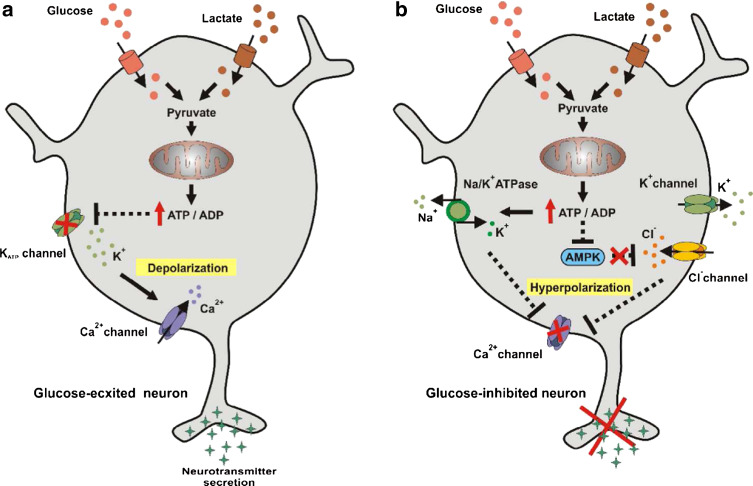
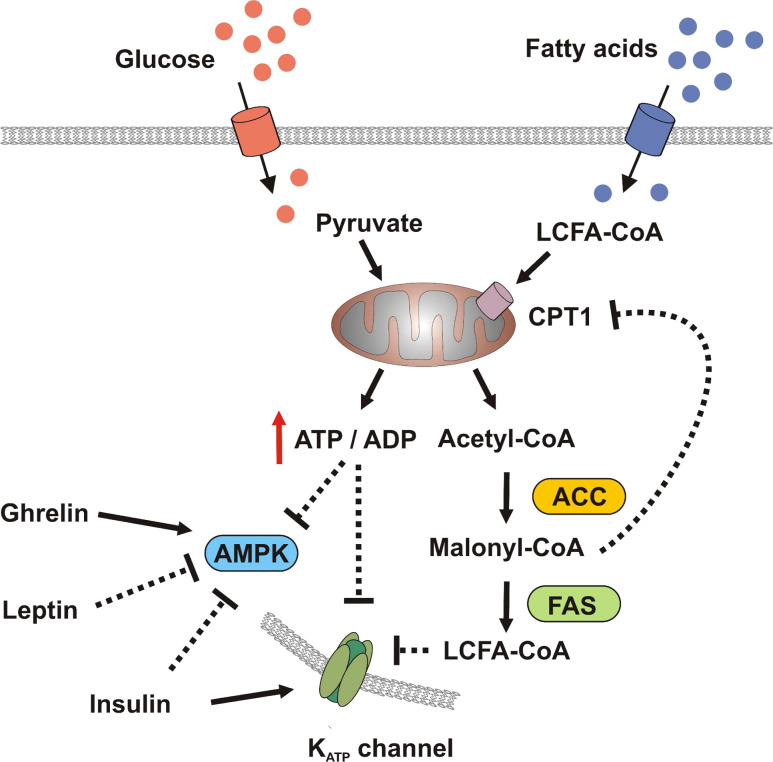
The central nervous system (CNS) is capable of gathering information on the body's nutritional state and it implements appropriate behavioral and metabolic responses to changes in fuel availability. This feedback signaling of peripheral tissues ensures the maintenance of energy homeostasis. The hypothalamus is a primary site of convergence and integration for these nutrient-related feedback signals, which include central and peripheral neuronal inputs as well as hormonal signals. Increasing evidence indicates that glucose and lipids are detected by specialized fuel-sensing neurons that are integrated in these hypothalamic neuronal circuits. The purpose of this review is to outline the current understanding of fuel-sensing mechanisms in the hypothalamus, to integrate the recent findings in this field, and to address the potential role of dysregulation in these pathways in the development of obesity and type 2 diabetes mellitus.
中枢神经系统(CNS)能够收集有关身体营养状态的信息,并针对燃料供应的变化实施适当的行为和代谢反应。外周组织的这种反馈信号确保了能量平衡的维持。下丘脑是这些与营养相关的反馈信号汇聚和整合的主要部位,其中包括中枢和外周神经元输入以及激素信号。越来越多的证据表明,葡萄糖和脂质是由专门的燃料感应神经元检测到的,这些神经元整合在这些下丘脑神经元回路中。本文综述的目的是概述目前对下丘脑燃料感应机制的理解,整合该领域的最新发现,并探讨这些途径失调在肥胖症和 2 型糖尿病发病机制中的潜在作用。