
m-阿齐异丙酚(AziPm)是静脉全身麻醉药异丙酚的光活性类似物。
m-Azipropofol (AziPm) a photoactive analogue of the intravenous general anesthetic propofol.
机构信息
Department of Anesthesiology and Critical Care, University of Pennsylvania School of Medicine, Philadelphia,Pennsylvania, USA.
出版信息
J Med Chem. 2010 Aug 12;53(15):5667-75. doi: 10.1021/jm1004072.
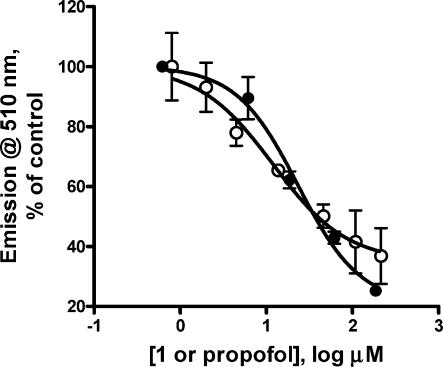
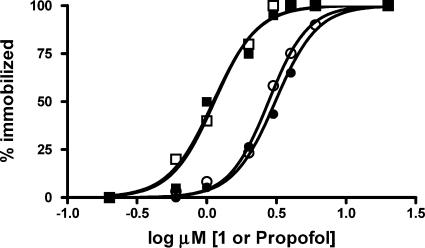
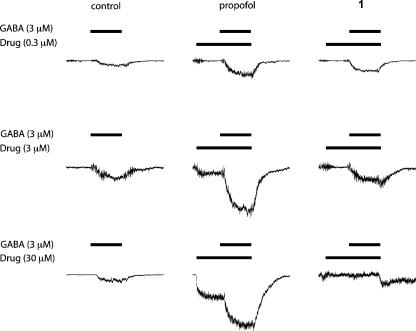
Propofol is the most commonly used sedative-hypnotic drug for noxious procedures, yet the molecular targets underlying either its beneficial or toxic effects remain uncertain. In order to determine targets and thereby mechanisms of propofol, we have synthesized a photoactivateable analogue by substituting an alkyldiazirinyl moiety for one of the isopropyl arms but in the meta position. m-Azipropofol retains the physical, biochemical, GABA(A) receptor modulatory, and in vivo activity of propofol and photoadducts to amino acid residues in known propofol binding sites in natural proteins. Using either mass spectrometry or radiolabeling, this reagent may be used to reveal sites and targets that underlie the mechanism of both the desirable and undesirable actions of this important clinical compound.
异丙酚是最常用于有害程序的镇静催眠药物,但它的有益或毒性作用的分子靶点仍然不确定。为了确定靶点,从而确定异丙酚的机制,我们通过用烷基二氮丙啶取代异丙基臂之一但处于间位来合成了一种光活化类似物。m-Azipropofol 保留了异丙酚的物理、生化、GABA(A)受体调节和体内活性,以及天然蛋白质中已知异丙酚结合位点的光加合物到氨基酸残基。该试剂可以使用质谱或放射性标记来揭示该重要临床化合物的理想和不良作用的机制所涉及的部位和靶点。



 Zotero 插件