Kanlic Enes M, Pinski Sarah E, Verwiebe Eric G, Saller Jeremy, Smith Wade R
Department of Orthopaedic Surgery and Rehabilitation at TTUHSC in El Paso, Texas 4801 Alberta Ave,, El Paso, Texas 79905, USA.
Patient Saf Surg. 2010 Aug 19;4(1):13. doi: 10.1186/1754-9493-4-13.
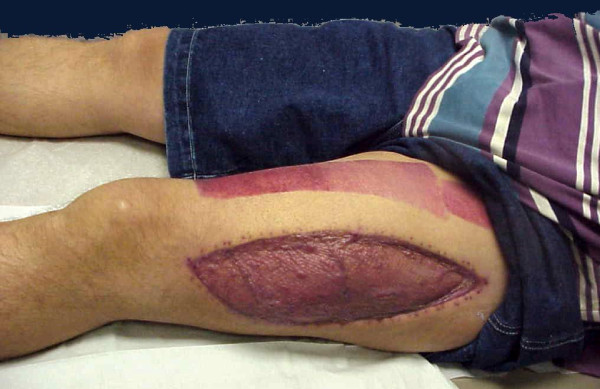
To describe the patient population, etiology, and complications associated with thigh compartment syndrome (TCS). TCS is a rare condition, affecting less than 0.3% of trauma patients, caused by elevated pressure within a constrained fascial space which can result in tissue necrosis, fibrosis, and physical impairment in addition to other complications. Compartment releases performed after irreversible tissue ischemia has developed can lead to severe infection, amputation, and systemic complications including renal insufficiency and death.
This study examines the course of treatment of 23 consecutive patients with 26 thigh compartment syndromes sustained during an eight-year period at two Level 1 trauma centers, each admitting more than 2,000 trauma patients yearly.
Patients developing TCS were young (average 35.4 years) and likely to have a vascular injury on presentation (57.7%). A tense and edematous thigh was the most consistent clinical exam finding leading to compartment release (69.5%). Average time from admission to the operating room was 18 +/- 4.3 hours and 8/23 (34.8%) were noted to have ischemic muscle changes at the time of release. Half of those patients (4/8) developed local complications requiring limb amputations.
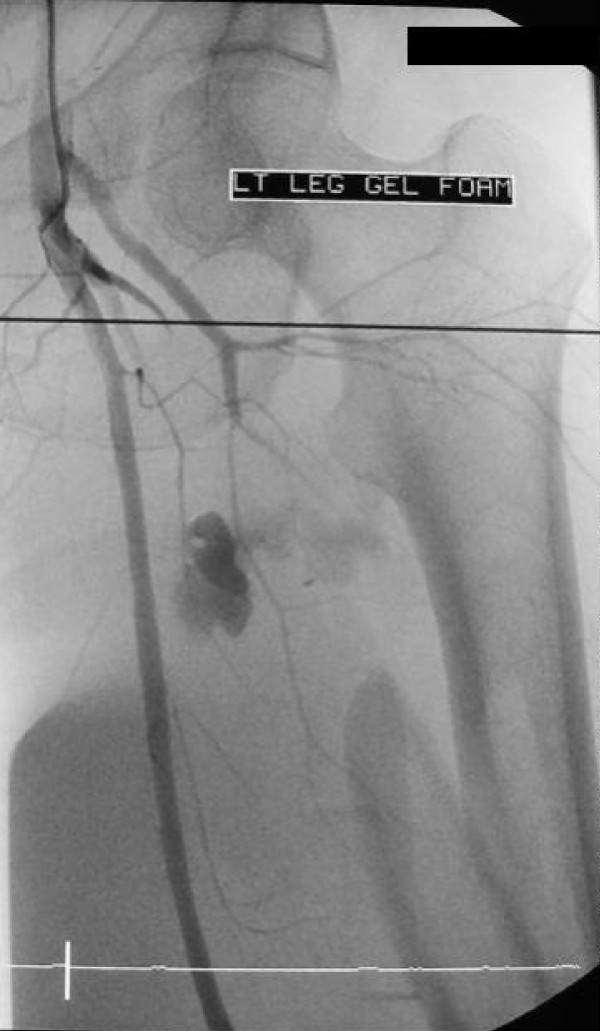
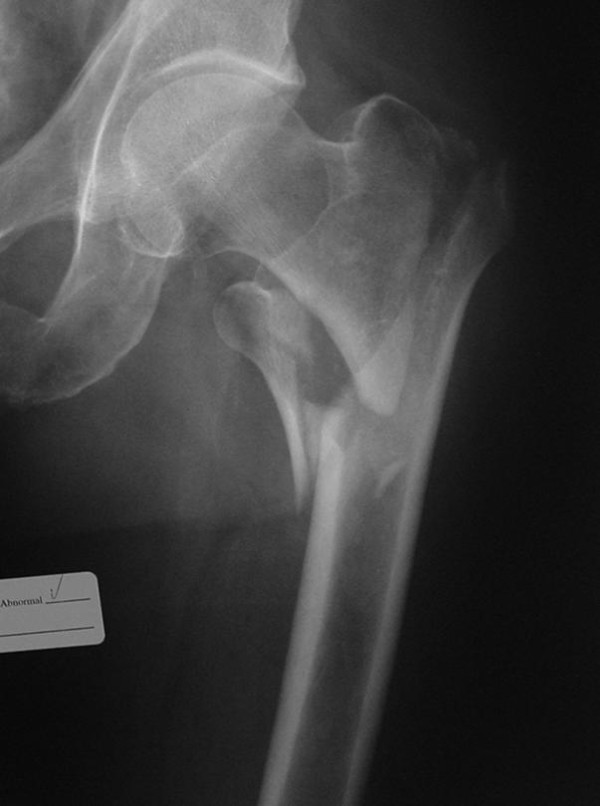
TCS is often associated with high energy trauma and is difficult to diagnose in uncooperative, obtunded and multiply injured patients. Vascular injuries are a common underlying cause and require prompt recognition and a multidisciplinary approach including the trauma and orthopaedic surgeons, intensive care team, vascular surgery and interventional radiology. Prompt recognition and treatment of TCS are paramount to avoid the catastrophic acute and long term morbidities.
描述与股部骨筋膜室综合征(TCS)相关的患者群体、病因及并发症。TCS是一种罕见病症,在创伤患者中发病率低于0.3%,由受限筋膜腔内压力升高所致,除其他并发症外,还可导致组织坏死、纤维化及身体功能障碍。在不可逆组织缺血发生后进行骨筋膜室切开减压可导致严重感染、截肢以及包括肾功能不全和死亡在内的全身并发症。
本研究调查了两家一级创伤中心在八年期间连续收治的23例患者所患的26例股部骨筋膜室综合征的治疗过程,每家创伤中心每年收治超过2000例创伤患者。
发生TCS的患者较为年轻(平均35.4岁),就诊时很可能伴有血管损伤(57.7%)。大腿紧张且水肿是导致进行骨筋膜室切开减压最一致的临床检查发现(69.5%)。从入院到手术室的平均时间为18±4.3小时,8/23(34.8%)的患者在切开减压时存在缺血性肌肉改变。其中一半患者(4/8)出现需要截肢的局部并发症。
TCS常与高能量创伤相关,在不配合、意识不清及多发伤患者中难以诊断。血管损伤是常见的潜在病因,需要迅速识别并采用多学科方法,包括创伤外科医生、骨科医生、重症监护团队、血管外科医生和介入放射科医生。迅速识别和治疗TCS对于避免灾难性的急性和长期发病至关重要。