Donofrio Mary T, Massaro An N
Children's National Heart Institute, Children's National Medical Center, 111 Michigan Avenue NW, Washington, DC 20010, USA.
Int J Pediatr. 2010;2010. doi: 10.1155/2010/359390. Epub 2010 Aug 24.
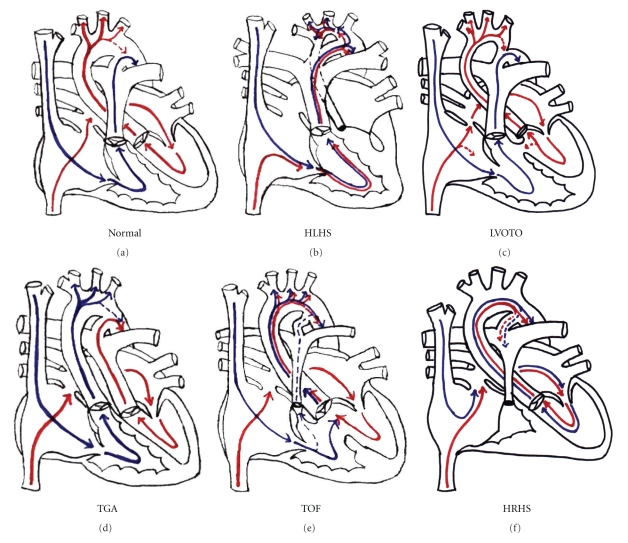
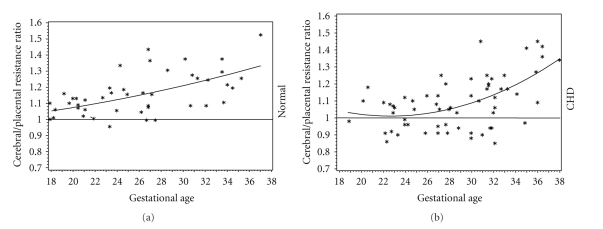
Advances in cardiac surgical techniques and perioperative intensive care have led to improved survival in babies with congenital heart disease (CHD). While it is true that the majority of children with CHD today will survive, many will have impaired neurodevelopmental outcome across a wide spectrum of domains. While continuing to improve short-term morbidity and mortality is an important goal, recent and ongoing research has focused on defining the impact of CHD on brain development, minimizing postnatal brain injury, and improving long-term outcomes. This paper will review the impact that CHD has on the developing brain of the fetus and infant. Neurologic abnormalities detectable prior to surgery will be described. Potential etiologies of these findings will be discussed, including altered fetal intrauterine growth, cerebral blood flow and brain development, associated congenital brain abnormalities, and risk for postnatal brain injury. Finally, reported neurodevelopmental outcomes after surgical repair of CHD will be reviewed.
心脏外科技术和围手术期重症监护的进步提高了先天性心脏病(CHD)患儿的生存率。诚然,如今大多数患有CHD的儿童都能存活下来,但许多儿童在广泛的领域中会出现神经发育受损的情况。虽然持续改善短期发病率和死亡率是一个重要目标,但最近及正在进行的研究集中在确定CHD对脑发育的影响、将出生后脑损伤降至最低以及改善长期预后。本文将综述CHD对胎儿和婴儿发育中大脑的影响。还将描述手术前可检测到的神经学异常。将讨论这些发现的潜在病因,包括胎儿宫内生长改变、脑血流量和脑发育、相关的先天性脑异常以及出生后脑损伤的风险。最后,将综述CHD手术修复后报告的神经发育结果。