Department of Biochemistry & Molecular Biology, University of Southern California, Los Angeles, CA, USA.
Mol Cancer. 2010 Sep 23;9:258. doi: 10.1186/1476-4598-9-258.
Prostate cancer (PCa) cells preferentially metastasize to bone at least in part by acquiring osteomimetic properties. Runx2, an osteoblast master transcription factor, is aberrantly expressed in PCa cells, and promotes their metastatic phenotype. The transcriptional programs regulated by Runx2 have been extensively studied during osteoblastogenesis, where it activates or represses target genes in a context-dependent manner. However, little is known about the gene regulatory networks influenced by Runx2 in PCa cells. We therefore investigated genome wide mRNA expression changes in PCa cells in response to Runx2.
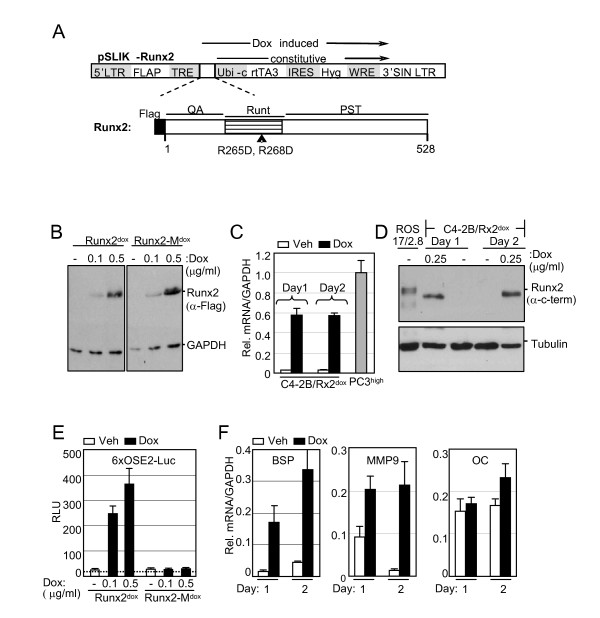
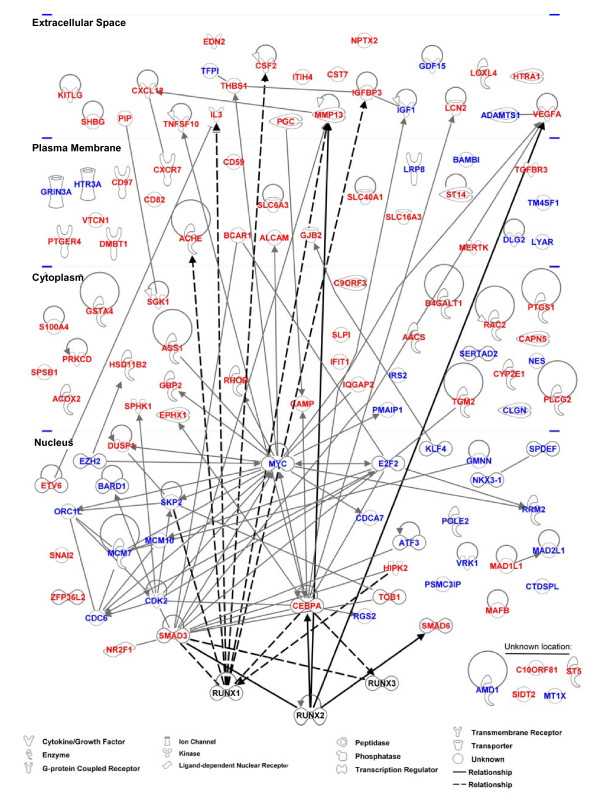
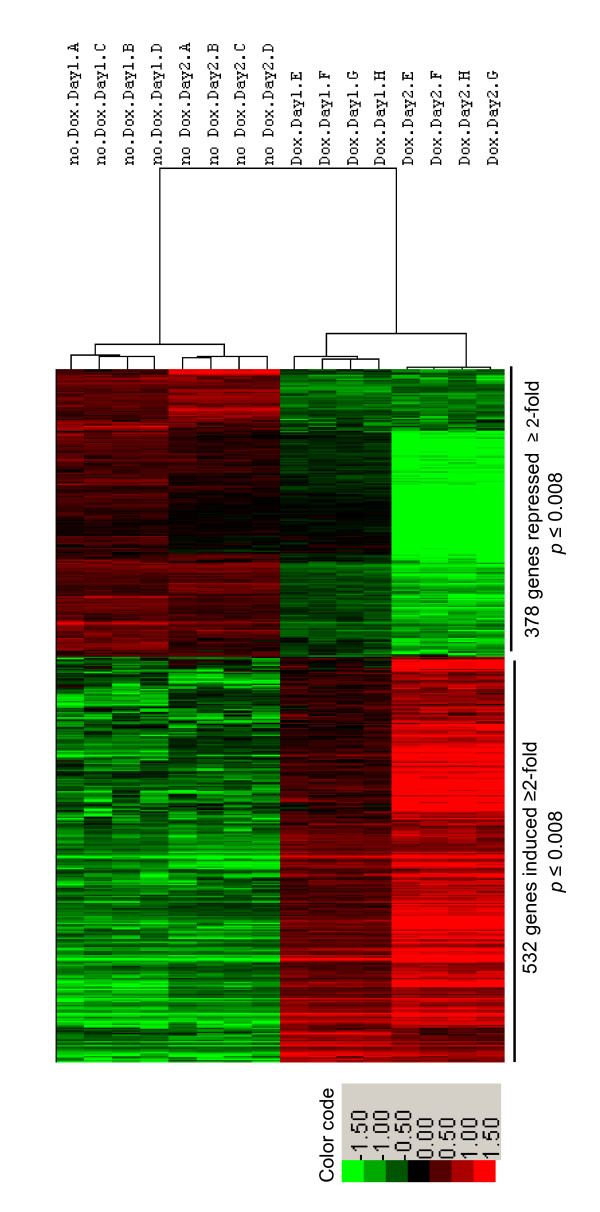
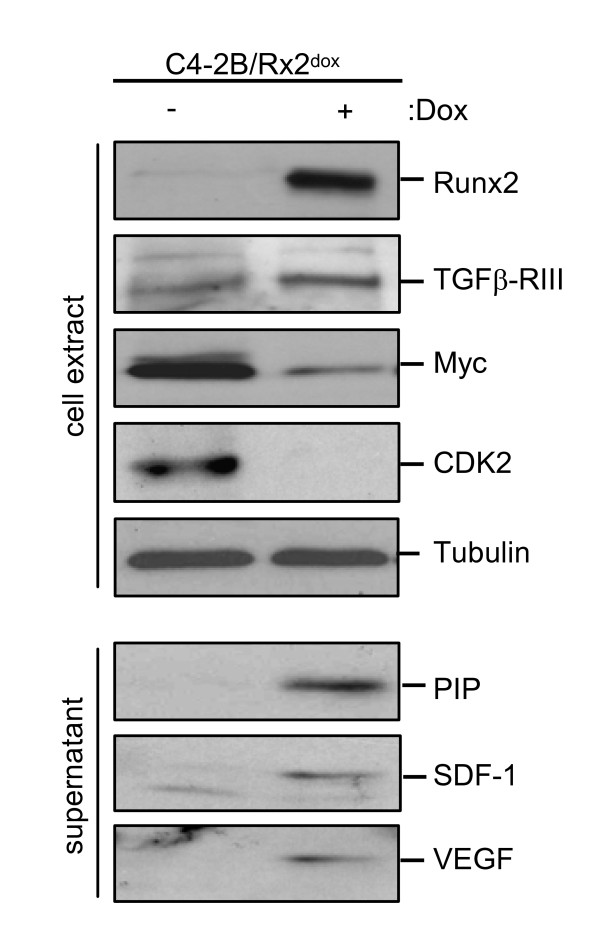
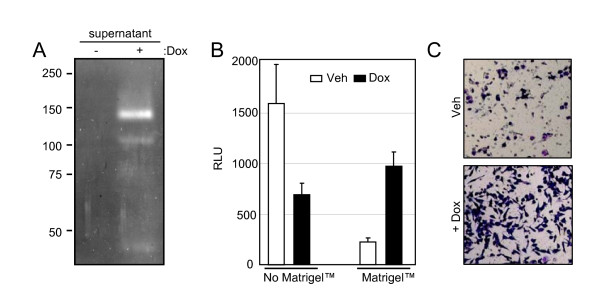
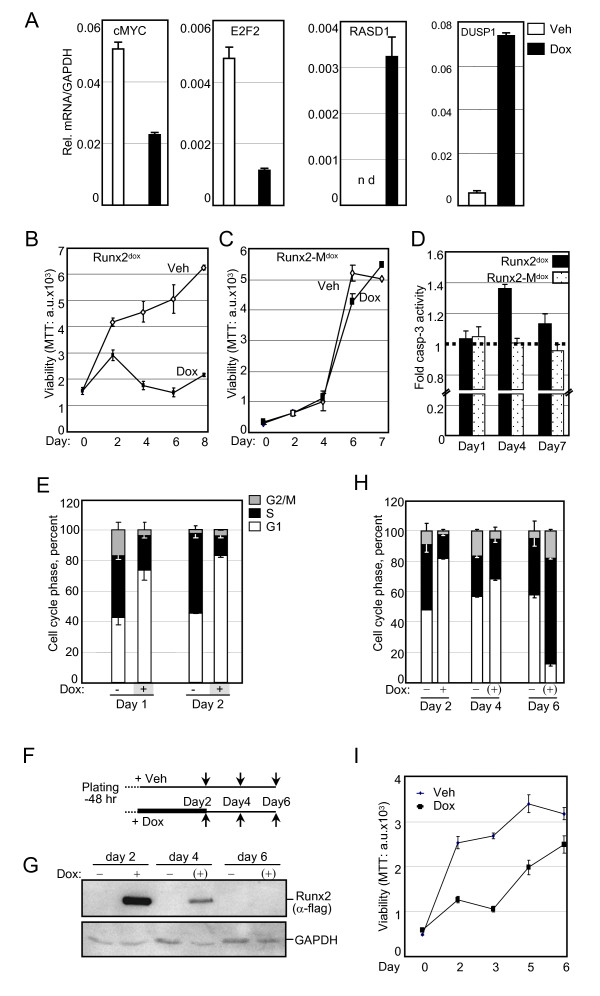
We engineered a C4-2B PCa sub-line called C4-2B/Rx2 dox, in which Doxycycline (Dox) treatment stimulates Runx2 expression from very low to levels observed in other PCa cells. Transcriptome profiling using whole genome expression array followed by in silico analysis indicated that Runx2 upregulated a multitude of genes with prominent cancer associated functions. They included secreted factors (CSF2, SDF-1), proteolytic enzymes (MMP9, CST7), cytoskeleton modulators (SDC2, Twinfilin, SH3PXD2A), intracellular signaling molecules (DUSP1, SPHK1, RASD1) and transcription factors (Sox9, SNAI2, SMAD3) functioning in epithelium to mesenchyme transition (EMT), tissue invasion, as well as homing and attachment to bone. Consistent with the gene expression data, induction of Runx2 in C4-2B cells enhanced their invasiveness. It also promoted cellular quiescence by blocking the G1/S phase transition during cell cycle progression. Furthermore, the cell cycle block was reversed as Runx2 levels declined after Dox withdrawal.
The effects of Runx2 in C4-2B/Rx2 dox cells, as well as similar observations made by employing LNCaP, 22RV1 and PC3 cells, highlight multiple mechanisms by which Runx2 promotes the metastatic phenotype of PCa cells, including tissue invasion, homing to bone and induction of high bone turnover. Runx2 is therefore an attractive target for the development of novel diagnostic, prognostic and therapeutic approaches to PCa management. Targeting Runx2 may prove more effective than focusing on its individual downstream genes and pathways.
前列腺癌 (PCa) 细胞至少部分通过获得成骨样特性而优先转移到骨骼。Runx2 是成骨细胞的主要转录因子,在 PCa 细胞中异常表达,并促进其转移表型。在成骨细胞发生过程中,Runx2 以依赖于上下文的方式激活或抑制靶基因,其转录程序已被广泛研究。然而,关于 Runx2 在 PCa 细胞中影响的基因调控网络知之甚少。因此,我们研究了 PCa 细胞中响应 Runx2 的全基因组 mRNA 表达变化。
我们构建了一个名为 C4-2B/Rx2 dox 的 C4-2B PCa 亚系,其中强力霉素 (Dox) 处理可将 Runx2 的表达从非常低的水平刺激到其他 PCa 细胞中的水平。使用全基因组表达谱分析进行转录组分析,然后进行计算机分析表明,Runx2 上调了许多具有显著癌症相关功能的基因。它们包括分泌因子 (CSF2、SDF-1)、蛋白水解酶 (MMP9、CST7)、细胞骨架调节剂 (SDC2、Twinfilin、SH3PXD2A)、细胞内信号分子 (DUSP1、SPHK1、RASD1) 和转录因子 (Sox9、SNAI2、SMAD3),它们在上皮细胞到间质细胞的过渡 (EMT)、组织侵袭以及归巢和附着到骨骼中发挥作用。与基因表达数据一致,在 C4-2B 细胞中诱导 Runx2 增强了它们的侵袭性。它还通过阻止细胞周期进展中的 G1/S 期转变来促进细胞静止。此外,在 Dox 去除后 Runx2 水平下降时,细胞周期阻滞被逆转。
在 C4-2B/Rx2 dox 细胞中以及在使用 LNCaP、22RV1 和 PC3 细胞进行的类似观察中,Runx2 的作用强调了 Runx2 促进 PCa 细胞转移表型的多种机制,包括组织侵袭、归巢到骨骼和诱导高骨转换。因此,Runx2 是开发新型诊断、预后和治疗 PCa 管理方法的有吸引力的靶标。靶向 Runx2 可能比专注于其单个下游基因和途径更有效。