Gladstone Institute of Neurological Disease, San Francisco, CA 94158, USA.
Neuron. 2010 Sep 23;67(6):953-66. doi: 10.1016/j.neuron.2010.08.044.
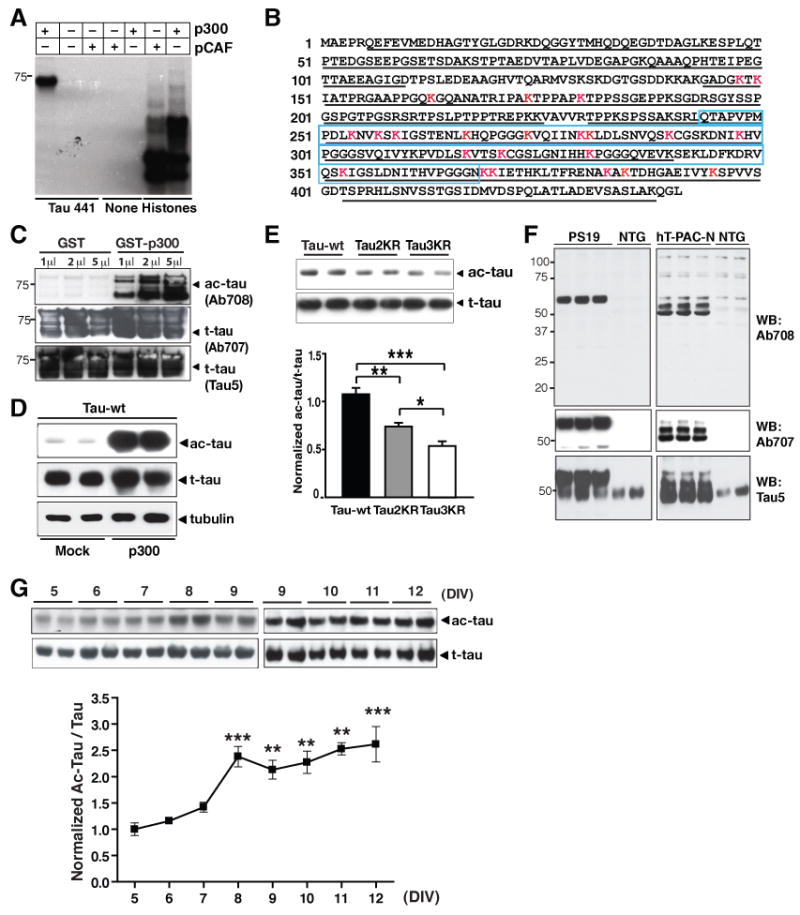
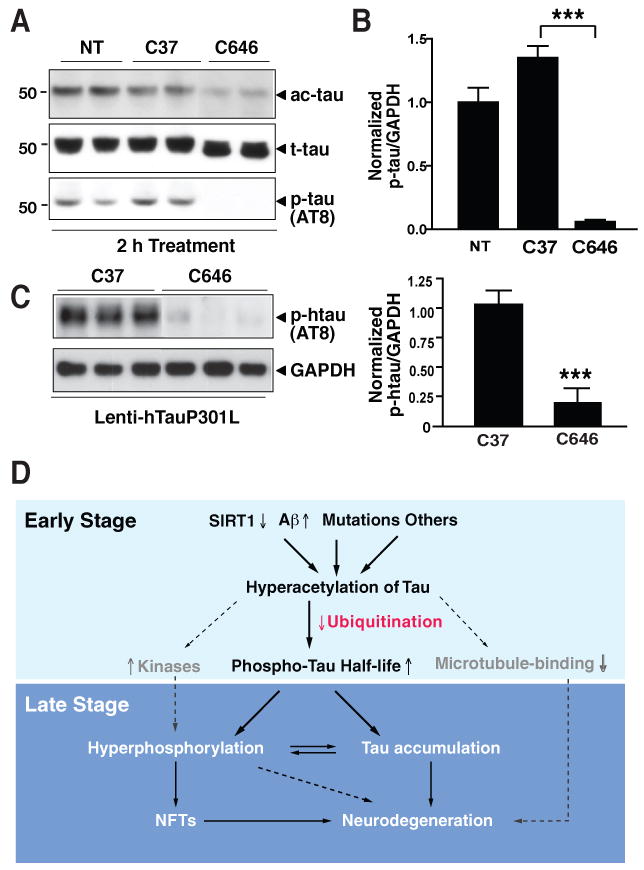
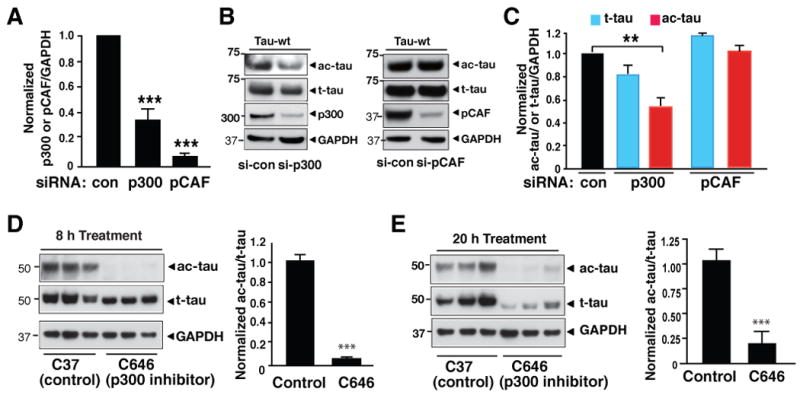
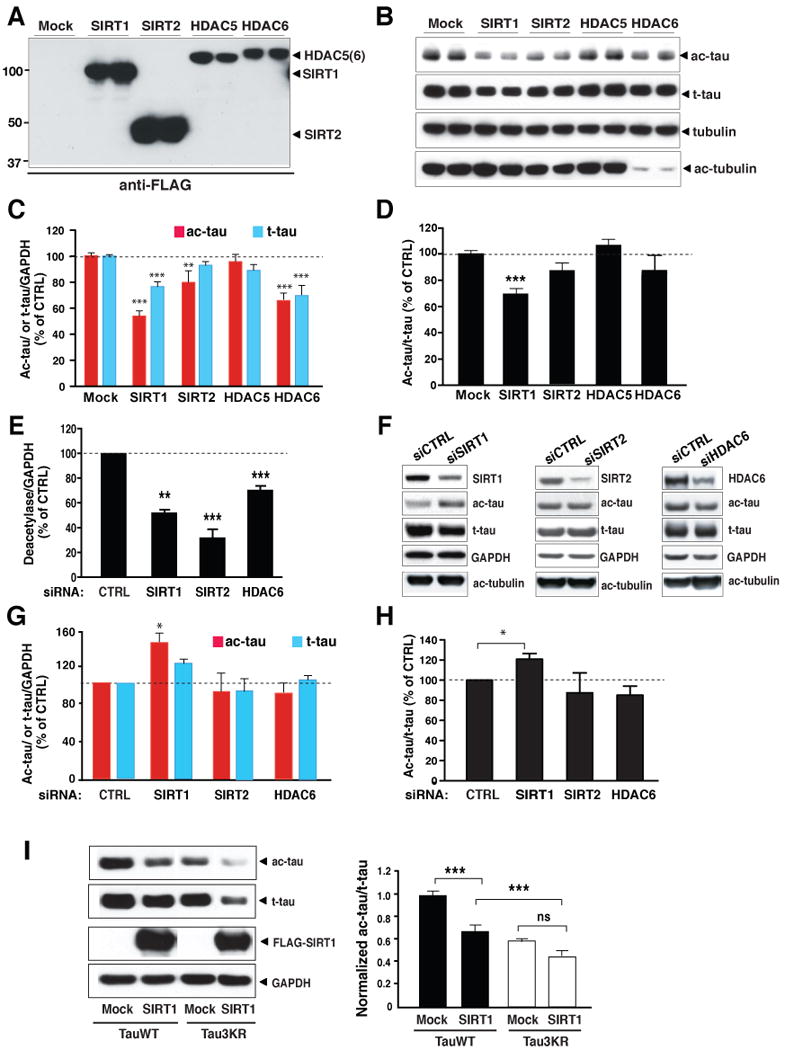
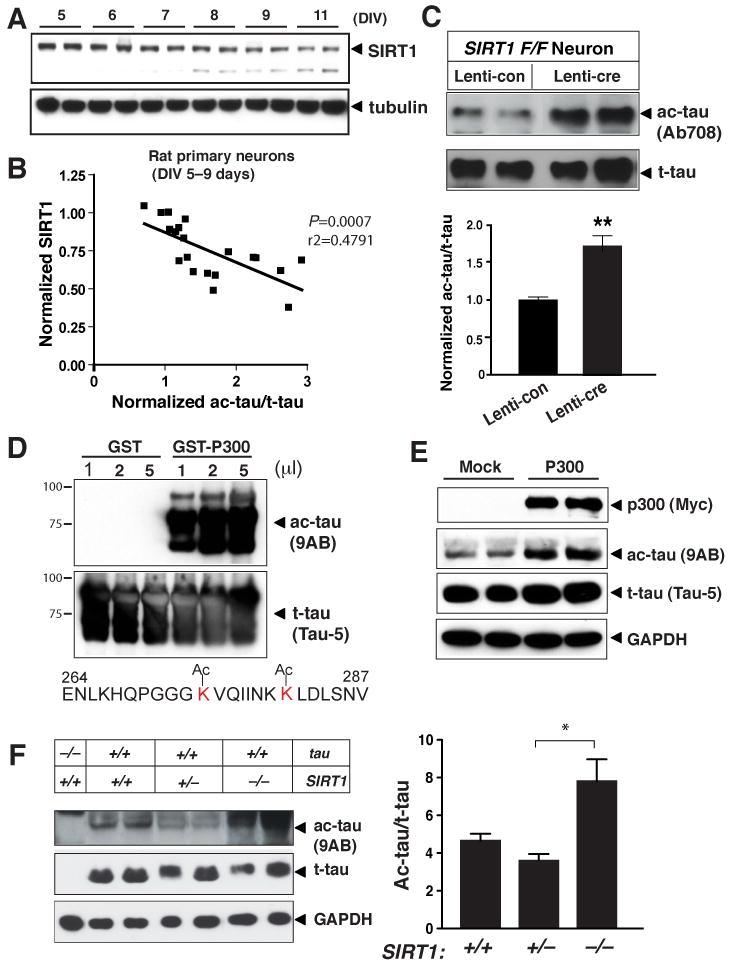
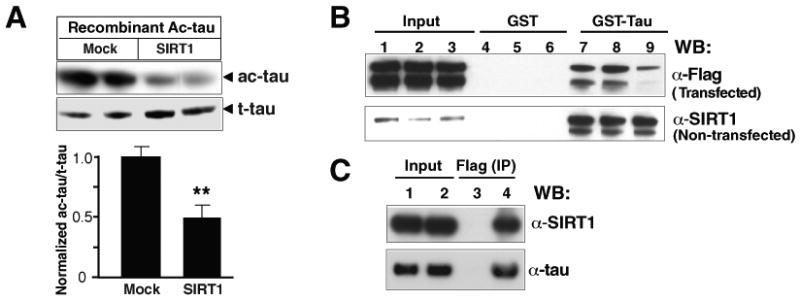
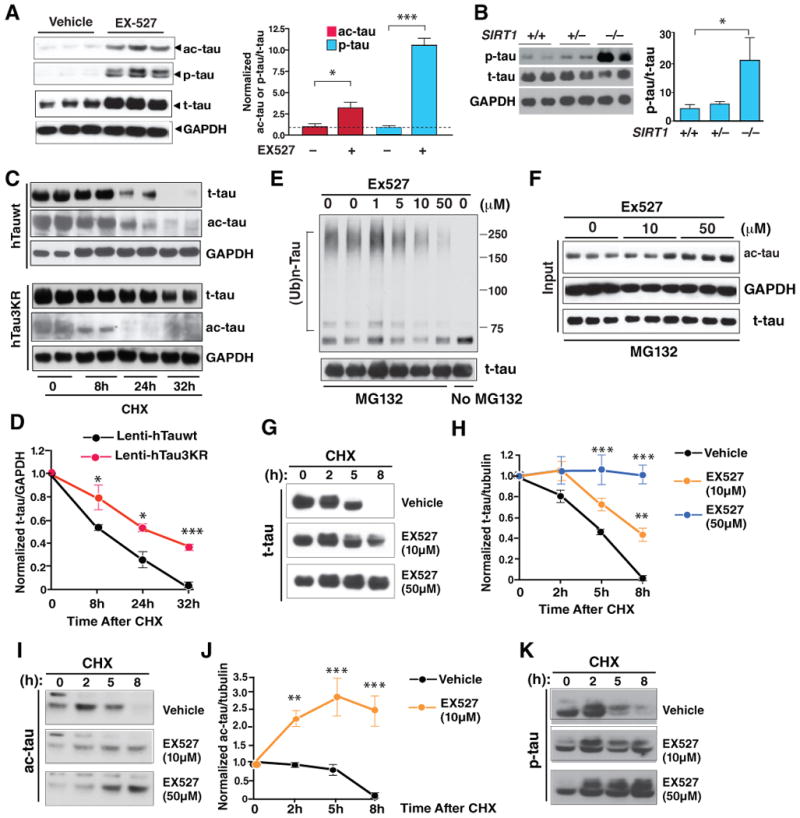
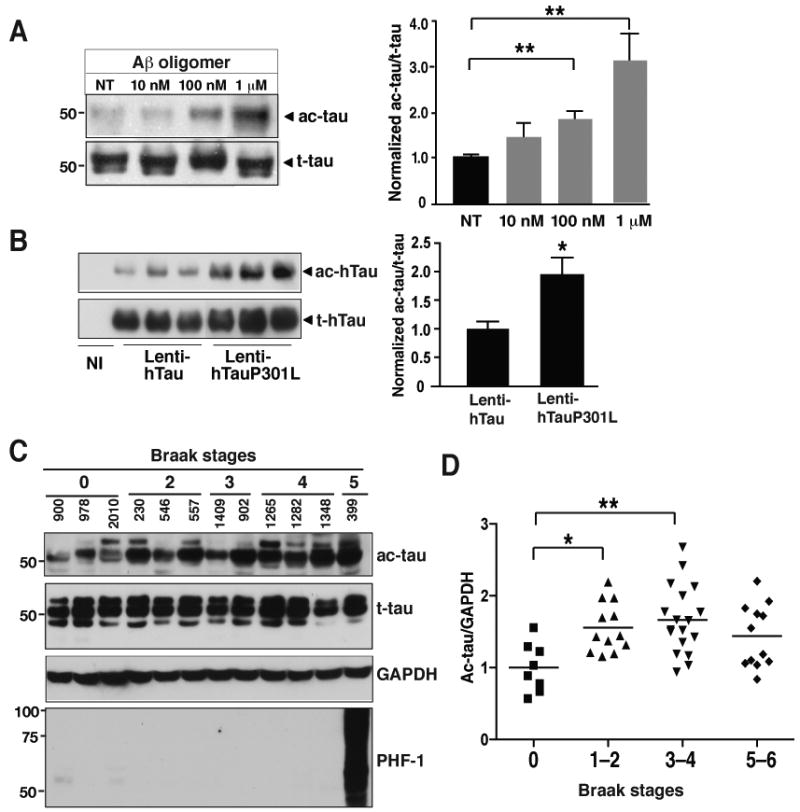
Neurodegenerative tauopathies characterized by hyperphosphorylated tau include frontotemporal dementia and Parkinsonism linked to chromosome 17 (FTDP-17) and Alzheimer's disease (AD). Reducing tau levels improves cognitive function in mouse models of AD and FTDP-17, but the mechanisms regulating the turnover of pathogenic tau are unknown. We found that tau is acetylated and that tau acetylation prevents degradation of phosphorylated tau (p-tau). We generated two antibodies specific for acetylated tau and showed that tau acetylation is elevated in patients at early and moderate Braak stages of tauopathy. Histone acetyltransferase p300 was involved in tau acetylation and the class III protein deacetylase SIRT1 in deacetylation. Deleting SIRT1 enhanced levels of acetylated-tau and pathogenic forms of p-tau, probably by blocking proteasome-mediated degradation. Inhibiting p300 with a small molecule promoted tau deacetylation and eliminated p-tau associated with tauopathy. Modulating tau acetylation could be a new therapeutic strategy to reduce tau-mediated neurodegeneration.
神经退行性 tau 病的特征是过度磷酸化的 tau 包括额颞叶痴呆和帕金森病与染色体 17(FTDP-17)和阿尔茨海默病(AD)。降低 tau 水平可改善 AD 和 FTDP-17 小鼠模型的认知功能,但调节致病性 tau 周转率的机制尚不清楚。我们发现 tau 被乙酰化,tau 乙酰化可防止磷酸化 tau(p-tau)的降解。我们生成了两种针对乙酰化 tau 的特异性抗体,并表明在 tau 病的早期和中度 Braak 阶段,患者的 tau 乙酰化水平升高。组蛋白乙酰转移酶 p300 参与 tau 乙酰化,而 III 类蛋白去乙酰化酶 SIRT1 参与去乙酰化。删除 SIRT1 增强了乙酰化-tau 和致病性 p-tau 的水平,可能是通过阻断蛋白酶体介导的降解。用小分子抑制 p300 可促进 tau 去乙酰化,并消除与 tau 病相关的 p-tau。调节 tau 乙酰化可能是减少 tau 介导的神经退行性变的新治疗策略。