Max-Planck Institute of Psychiatry, Munich, Germany.
BMC Genomics. 2010 Oct 8;11:546. doi: 10.1186/1471-2164-11-546.
The pivotal role of stress in the precipitation of psychiatric diseases such as depression is generally accepted. This study aims at the identification of genes that are directly or indirectly responding to stress. Inbred mouse strains that had been evidenced to differ in their stress response as well as in their response to antidepressant treatment were chosen for RNA profiling after stress exposure. Gene expression and regulation was determined by microarray analyses and further evaluated by bioinformatics tools including pathway and cluster analyses.
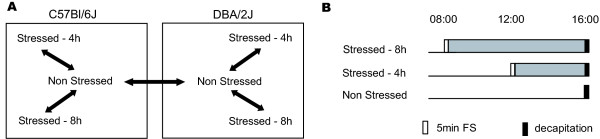
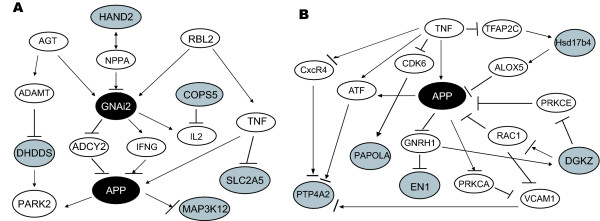
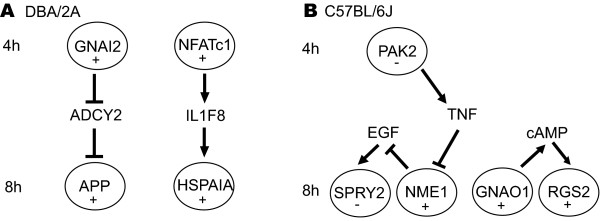
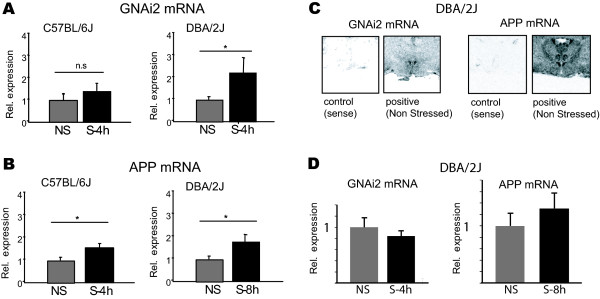
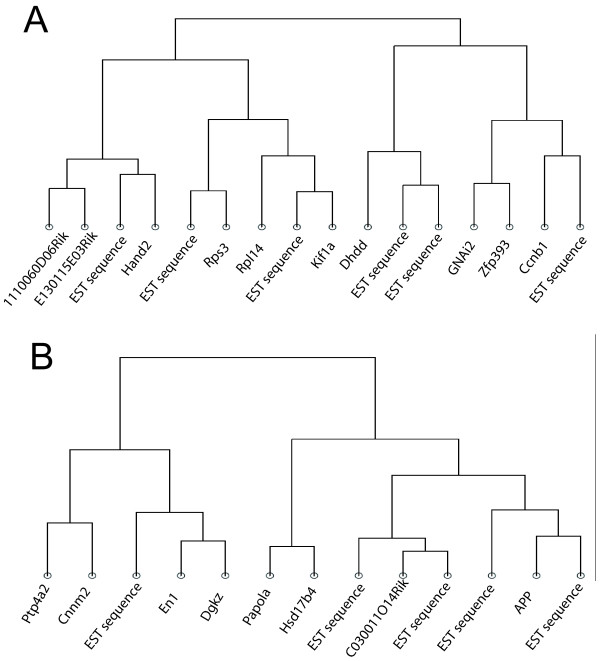
Forced swimming as acute stressor was applied to C57BL/6J and DBA/2J mice and resulted in sets of regulated genes in the paraventricular nucleus of the hypothalamus (PVN), 4 h or 8 h after stress. Although the expression changes between the mouse strains were quite different, they unfolded in phases over time in both strains. Our search for connections between the regulated genes resulted in potential novel signalling pathways in stress. In particular, Guanine nucleotide binding protein, alpha inhibiting 2 (GNAi2) and amyloid β (A4) precursor protein (APP) were detected as stress-regulated genes, and together with other genes, seem to be integrated into stress-responsive pathways and gene networks in the PVN.
This search for stress-regulated genes in the PVN revealed its impact on interesting genes (GNAi2 and APP) and a novel gene network. In particular the expression of APP in the PVN that is governing stress hormone balance, is of great interest. The reported neuroprotective role of this molecule in the CNS supports the idea that a short acute stress can elicit positive adaptational effects in the brain.
压力在诱发抑郁症等精神疾病方面起着关键作用,这一观点已得到普遍认可。本研究旨在寻找直接或间接对压力作出响应的基因。我们选择了在压力反应和抗抑郁治疗反应方面存在差异的近交系小鼠品系,用于应激暴露后的 RNA 谱分析。采用微阵列分析确定基因表达和调控,进一步采用包括通路和聚类分析在内的生物信息学工具进行评估。
将强迫游泳作为急性应激源应用于 C57BL/6J 和 DBA/2J 小鼠,在应激后 4 小时或 8 小时,于下丘脑室旁核(PVN)中产生了一组受调控的基因。尽管两种小鼠品系之间的表达变化差异很大,但在两种品系中都随着时间推移呈阶段性展开。我们对受调控基因之间的联系进行了搜索,发现了应激相关信号通路中的潜在新途径。特别是,G 蛋白α抑制因子 2(GNAi2)和淀粉样β(A4)前体蛋白(APP)被检测为应激调控基因,与其他基因一起,似乎整合到了 PVN 中的应激反应途径和基因网络中。
对 PVN 中应激调控基因的搜索揭示了其对有趣基因(GNAi2 和 APP)和新基因网络的影响。特别是,控制应激激素平衡的 PVN 中 APP 的表达尤其引人注目。该分子在中枢神经系统中具有神经保护作用的报道支持了这样一种观点,即短暂的急性应激可在大脑中引发积极的适应性效应。