Imperial College London, London, UK.
BMC Infect Dis. 2010 Oct 21;10:302. doi: 10.1186/1471-2334-10-302.
Melioidosis, a severe and fatal infectious disease caused by Burkholderia pseudomallei, is believed to an emerging global threat. However, data on the natural history, risk factors, and geographic epidemiology of the disease are still limited.
We undertook a retrospective analysis of 145 confirmed cases extracted from a hospital-based Melioidosis Registry set up from 2005 in Hospital Sultanah Bahiyah, Alor Setar, Kedah state, Malaysia, in order to provide a first description of the contemporary incidence, risk factors, and clinical epidemiology of the disease in this putatively high risk region of the country.
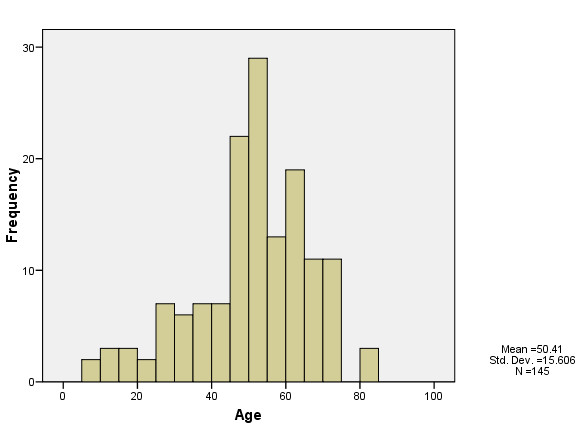
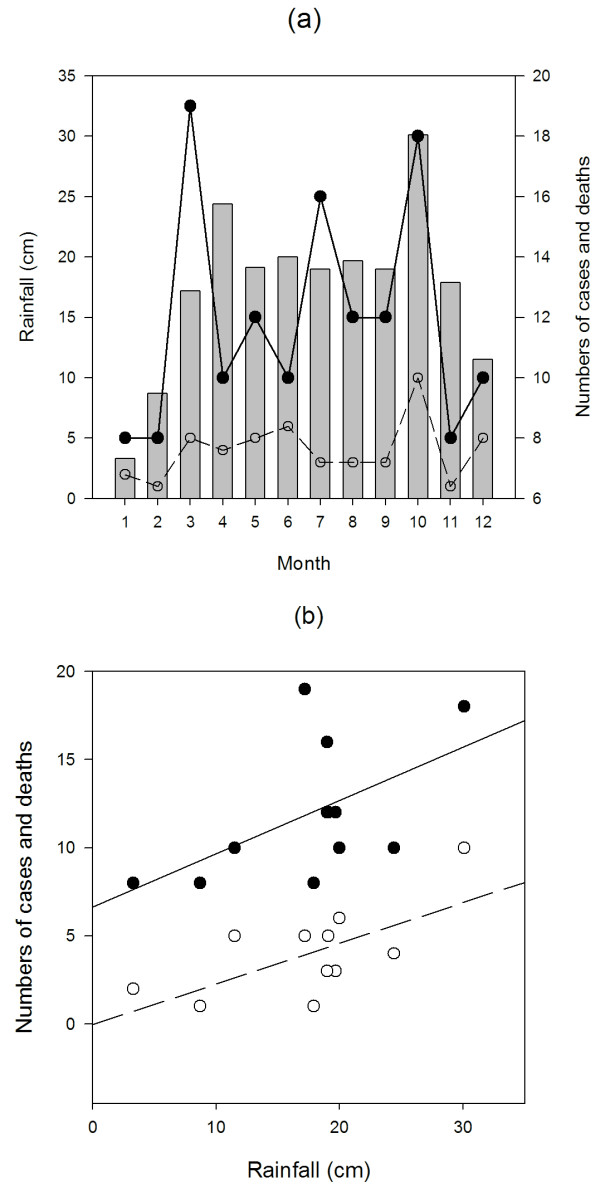
The incidence of melioidosis in Alor Setar is remarkably high at 16.35 per 100,000 population per year. The mean age of patients was 50.40 years, with infection varying nonlinearly with age. Males (75.2%; P < 0.0001) predominated and the majority of cases were Malays (88.9%). The overall, crude mortality rate among the study patients was 33.8%. The proportions of cases and deaths were significantly greater among patients involved in farming, forestry and fishing and the unemployed (χ2 = 30.57, P < 0.0001). A majority of cases (62.75%) were culture positive, with mortality in these patients being 45.05%. A large proportion (83.0%) of culture positives was also bacteremic. Pneumonia accounted for 42.06% of primary diagnoses followed in importance by soft tissue abscess. In patients with pneumonia and who were culture positive, the mortality rate was as high as 65.00%. Diabetes mellitus constituted the major underlying risk factor for developing and dying from melioidosis, occurring in 57% of all diagnosed cases. The age distribution of diabetes paralleled that of melioidosis cases. There were linear associations between cases and deaths with monthly rainfall.
Melioidosis represents a complex socio-ecological public health problem in Kedah, being strongly related with age, occupation, rainfall and predisposing chronic diseases, such as diabetes mellitus. Among cases, bacteremic patients were associated with significantly high mortality despite provision of the recommended antibacterial therapy. The burden of this disease is likely to grow in this region unless better informed interventions targeted at high-risk groups and associated diseases are urgently implemented.
类鼻疽是由伯克霍尔德菌引起的一种严重且致命的传染病,被认为是一种新出现的全球威胁。然而,关于该病的自然史、危险因素和地理流行病学的数据仍然有限。
我们对 2005 年以来在马来西亚吉打州亚罗士打苏丹后拜雅医院设立的类鼻疽登记处中提取的 145 例确诊病例进行了回顾性分析,以便首次描述该国这个假定高危地区该病的当代发病率、危险因素和临床流行病学。
亚罗士打的类鼻疽发病率非常高,达到每年每 10 万人 16.35 例。患者的平均年龄为 50.40 岁,感染率随年龄呈非线性变化。男性(75.2%;P < 0.0001)居多,大多数病例为马来人(88.9%)。研究患者的总死亡率为 33.8%。从事农业、林业和渔业以及失业的患者中,病例和死亡比例显著更高(χ2 = 30.57,P < 0.0001)。大多数病例(62.75%)培养阳性,这些患者的死亡率为 45.05%。培养阳性的患者中,很大一部分(83.0%)也有菌血症。肺炎占主要诊断的 42.06%,其次是软组织脓肿。患有肺炎且培养阳性的患者的死亡率高达 65.00%。糖尿病是发生类鼻疽和死亡的主要潜在危险因素,在所有确诊病例中占 57%。糖尿病的年龄分布与类鼻疽病例的年龄分布相似。病例和死亡与每月降雨量呈线性关系。
类鼻疽在吉打州是一个复杂的社会生态公共卫生问题,与年龄、职业、降雨和易患慢性病(如糖尿病)密切相关。在病例中,尽管提供了推荐的抗菌治疗,但菌血症患者的死亡率仍然显著较高。除非针对高危人群和相关疾病实施更明智的干预措施,否则该疾病的负担可能在该地区增加。