Center for Neuropharmacology and Neuroscience, Albany Medical College, Albany, NY, USA.
Neuroscience. 2011 Jan 13;172:104-9. doi: 10.1016/j.neuroscience.2010.10.041. Epub 2010 Oct 25.
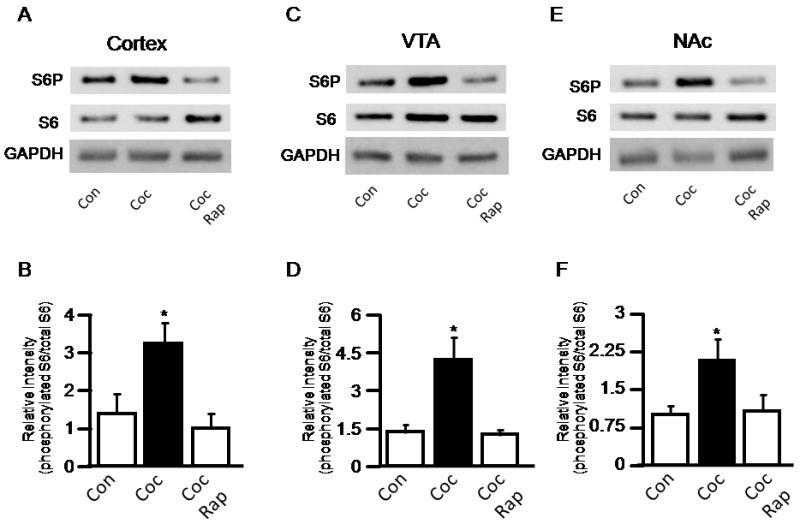
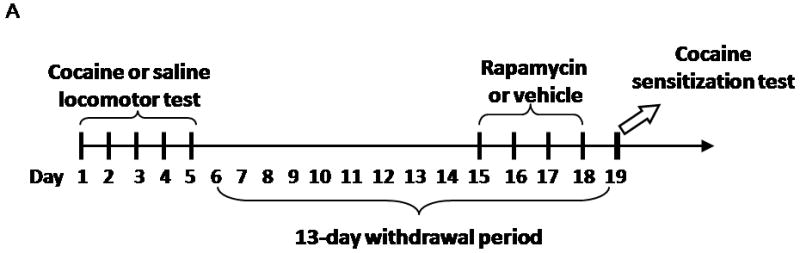
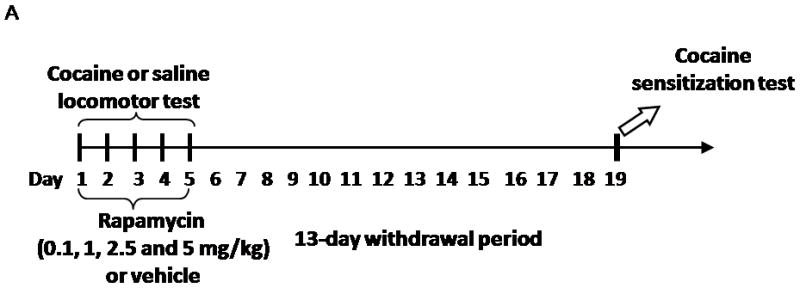
Repeated cocaine exposure induces locomotor sensitization, which is mediated by adaptive changes in synaptic transmission in the mesolimbic dopamine pathway. The molecular mechanisms underlying this adaptation remain poorly understood. One pathway that may play a role is the mammalian target of rapamycin (mTOR) which is implicated in synaptic plasticity. In the present study, we found that cocaine exposure stimulates mTOR activity in rat brain. Furthermore, inhibition of mTOR by rapamycin blocked the induction as well as the expression of cocaine-induced locomotor sensitization in rats. These data elucidate a novel mechanism by which the mTOR pathway mediates cocaine-induced behavioral changes and could suggest a new interventional strategy for drug abuse.
反复可卡因暴露会引起运动敏化,这是由中脑边缘多巴胺通路中突触传递的适应性变化介导的。这种适应的分子机制仍知之甚少。可能起作用的途径之一是雷帕霉素靶蛋白(mTOR),它与突触可塑性有关。在本研究中,我们发现可卡因暴露刺激大鼠大脑中的 mTOR 活性。此外,雷帕霉素抑制 mTOR 阻断了可卡因诱导的运动敏化的诱导和表达。这些数据阐明了 mTOR 途径介导可卡因引起的行为变化的新机制,并可能为药物滥用提供新的干预策略。