Laboratory of Molecular Toxicology, National Institute of Environmental Health Sciences, NIH, Research Triangle Park, NC 27709, USA.
J Biochem Mol Toxicol. 2010 Sep-Oct;24(5):330-4. doi: 10.1002/jbt.20342.
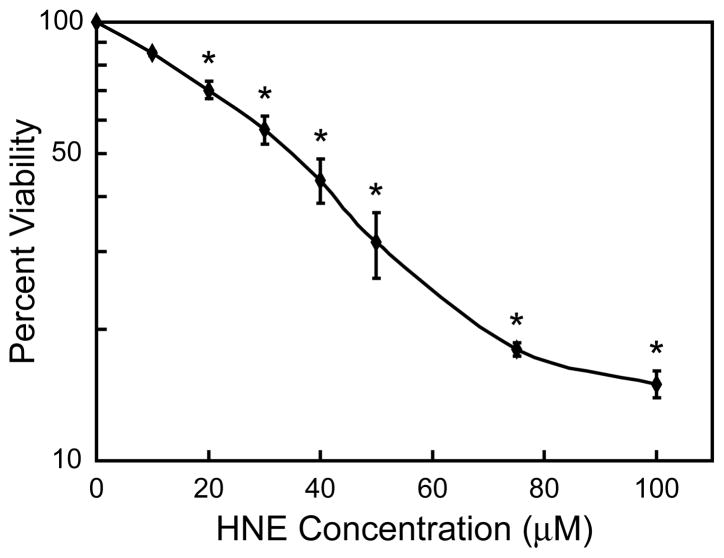
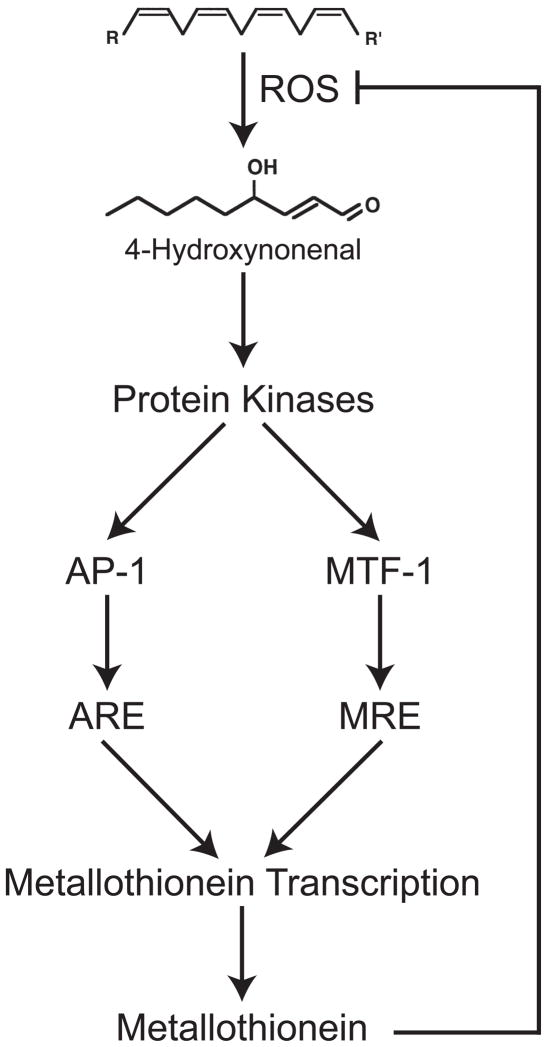
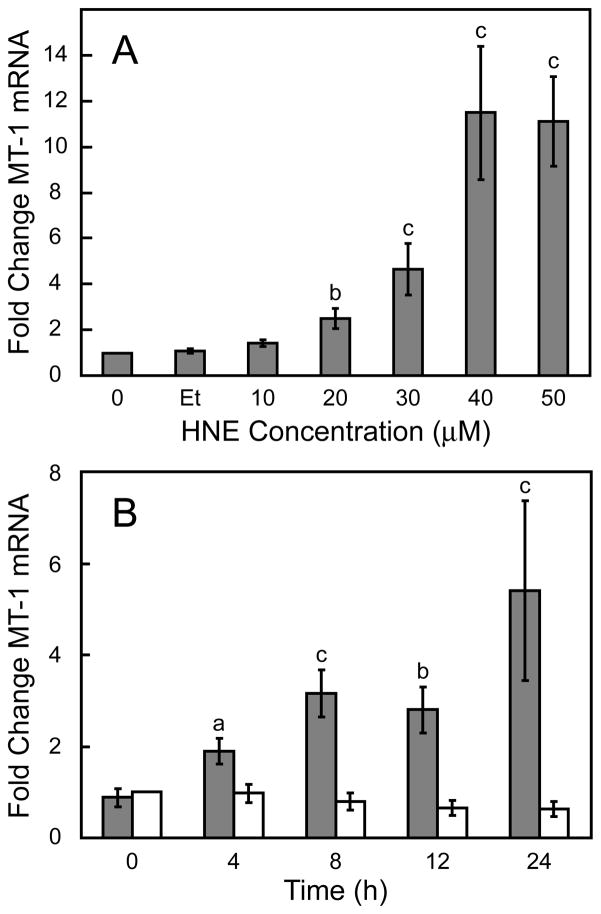
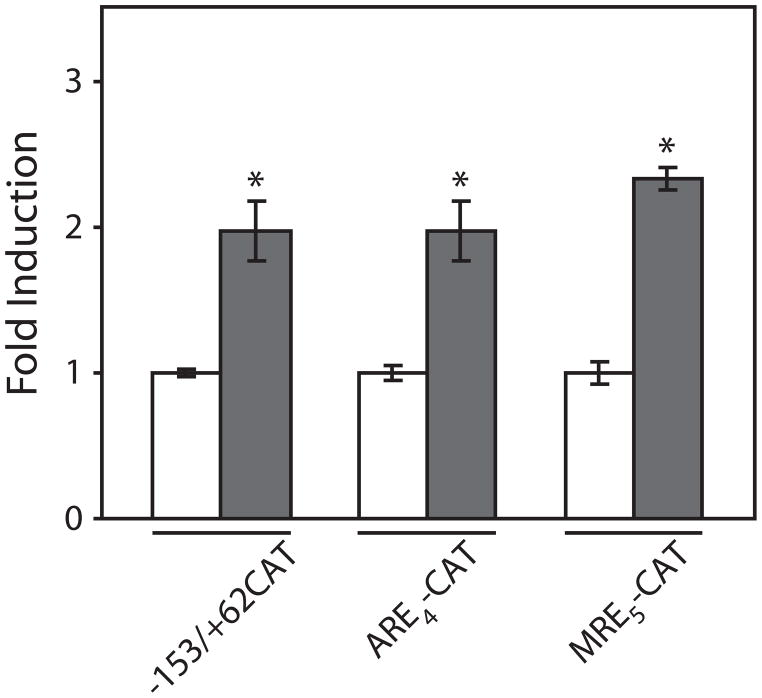
Metallothioneins (MTs) protect cells from oxidative damage by scavenging reactive oxygen species (ROS). Concurrent with protecting cells from ROS-mediated damage, MT transcription is induced by ROS. ROS activate transcription by affecting several signal transduction pathways, many of which have been implicated in regulating MT transcription. ROS-activated intracellular signaling is mediated by the stable lipid peroxide 4-hydroxynonenal (HNE). After determining the level of sensitivity of Hepa 1-6 cells to HNE, MT-1 mRNA expression was shown to be induced in a concentration and time-dependent manner after HNE exposure. Finally, using MT-based reporters, HNE was found to induce MT transcription via both antioxidant response and metal response elements. Thus, ROS may activate MT transcription by generating HNE that in turn affects signaling pathways that regulate MT transcription via the transcription factors AP-1 and MTF-1.
金属硫蛋白 (MTs) 通过清除活性氧 (ROS) 来保护细胞免受氧化损伤。与保护细胞免受 ROS 介导的损伤同时,MT 转录也被 ROS 诱导。ROS 通过影响许多与调节 MT 转录相关的信号转导途径来激活转录。ROS 激活的细胞内信号转导是由稳定的脂质过氧化物 4-羟基壬烯醛 (HNE) 介导的。在确定 Hepa 1-6 细胞对 HNE 的敏感性水平后,发现 HNE 暴露后 MT-1 mRNA 表达呈浓度和时间依赖性诱导。最后,使用基于 MT 的报告基因,发现 HNE 通过抗氧化反应元件和金属反应元件诱导 MT 转录。因此,ROS 可能通过生成 HNE 来激活 MT 转录,HNE 反过来又通过调节 MT 转录的转录因子 AP-1 和 MTF-1 影响信号转导途径。