Vialard J, Lalumière M, Vernet T, Briedis D, Alkhatib G, Henning D, Levin D, Richardson C
Biotechnology Research Institute, National Research Council of Canada, Montreal, Quebec.
J Virol. 1990 Jan;64(1):37-50. doi: 10.1128/JVI.64.1.37-50.1990.
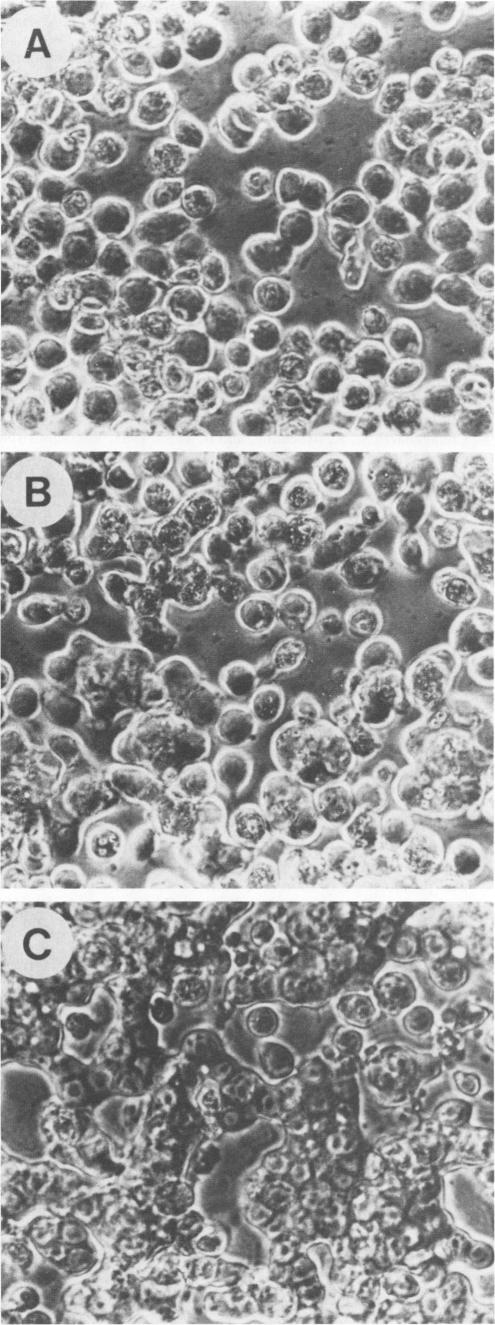
An improved baculovirus expression vector was developed to expedite screening and facilitate oligonucleotide-directed mutagenesis. This vector contained twin promoters derived from the P10 and polyhedrin genes of Autographica californica nuclear polyhedrosis virus. The P10 promoter directed the synthesis of beta-galactosidase, whereas the polyhedrin promoter controlled the synthesis of foreign gene products. These two genes recombined with wild-type virus genome to yield recombinants which were polyhedrin negative, produced the foreign gene product, and formed blue plaques when beta-galactosidase indicator was present in the agarose overlay. An origin of replication derived from M13 or f1 bacteriophage was also included in the plasmid to permit the synthesis of single-stranded DNA. This template DNA was used to introduce or delete sequences through the process of site-specific mutagenesis. The measles virus virion possesses a membrane envelope which contains two glycoproteins: the hemagglutinin (H) and membrane fusion (F) proteins. The H polypeptide has receptor-binding and hemagglutinating activity, whereas the F protein mediates virus penetration of the host cell, formation of syncytia, and hemolysis of erythrocytes. Genes for these two glycoproteins were inserted into the NheI cloning site of the modified expression vector described above. The vector and purified wild-type viral DNA were introduced into Sf9 insect cells by calcium phosphate precipitation. A mixture of wild-type and recombinant virus was generated and used to infect Sf9 cells, which were subsequently overlaid with agarose. After 3 days, 0.1 to 1% of the plaques became blue in the presence of beta-galactosidase indicator. At least 70% of these blue viral colonies contained the foreign gene of interest as determined by dot blot analysis. Recombinant virus was separated from contaminating wild-type virus through several rounds of plaque purification. Insect cells were then infected with the purified recombinants, and synthesis of H and F proteins were verified by sodium dodecyl sulfate-polyacrylamide gel electrophoresis followed by immunoblot detection and Coomassie blue staining. Glycosylation of the proteins appeared to be impaired somewhat, and the precursor to the F protein was not completely cleaved by the proteases present in insect host cells. On the other hand, both proteins appeared to be active in hemagglutination, hemolysis, and cell fusion assays. Levels of synthesis were in the order of 50 to 150 mg of protein per 10(8) cells.
开发了一种改进的杆状病毒表达载体,以加快筛选并便于寡核苷酸定向诱变。该载体含有源自苜蓿银纹夜蛾核多角体病毒P10和多角体蛋白基因的双启动子。P10启动子指导β-半乳糖苷酶的合成,而多角体蛋白启动子控制外源基因产物的合成。这两个基因与野生型病毒基因组重组,产生多角体蛋白阴性、产生外源基因产物且当在琼脂糖覆盖物中存在β-半乳糖苷酶指示剂时形成蓝色噬菌斑的重组体。质粒中还包含源自M13或f1噬菌体的复制起点,以允许合成单链DNA。该模板DNA用于通过位点特异性诱变过程引入或删除序列。麻疹病毒粒子具有膜包膜,其中包含两种糖蛋白:血凝素(H)和膜融合(F)蛋白。H多肽具有受体结合和血凝活性,而F蛋白介导病毒对宿主细胞的穿透、多核体的形成以及红细胞的溶血。将这两种糖蛋白的基因插入上述修饰表达载体的NheI克隆位点。通过磷酸钙沉淀将载体和纯化的野生型病毒DNA引入Sf9昆虫细胞。产生野生型和重组病毒的混合物并用于感染Sf9细胞,随后用琼脂糖覆盖。3天后,在存在β-半乳糖苷酶指示剂的情况下,0.1%至1%的噬菌斑变为蓝色。通过斑点印迹分析确定,这些蓝色病毒菌落中至少70%含有感兴趣的外源基因。通过几轮噬菌斑纯化将重组病毒与污染的野生型病毒分离。然后用纯化的重组体感染昆虫细胞,并通过十二烷基硫酸钠-聚丙烯酰胺凝胶电泳,随后进行免疫印迹检测和考马斯亮蓝染色来验证H和F蛋白的合成。蛋白质的糖基化似乎有所受损,并且F蛋白的前体未被昆虫宿主细胞中存在的蛋白酶完全切割。另一方面,这两种蛋白在血凝、溶血和细胞融合试验中似乎都具有活性。合成水平为每10^(8)个细胞50至150毫克蛋白质。