Department of Neuroscience, University of Pennsylvania School of Medicine, Philadelphia, Pennsylvania, United States of America.
PLoS One. 2010 Oct 29;5(10):e13743. doi: 10.1371/journal.pone.0013743.
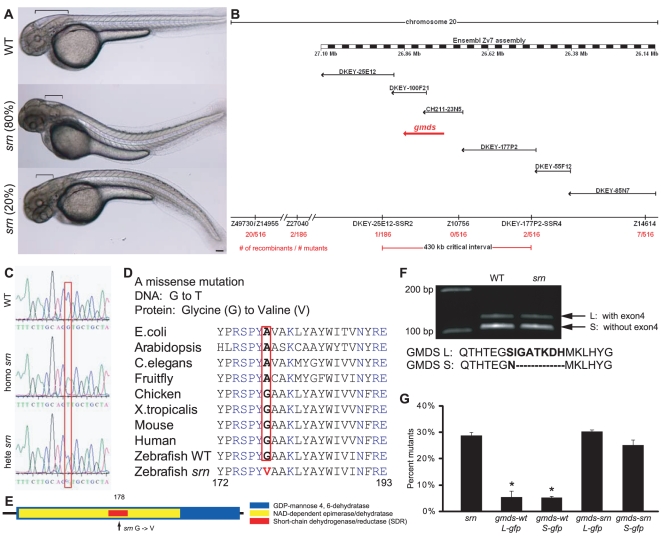
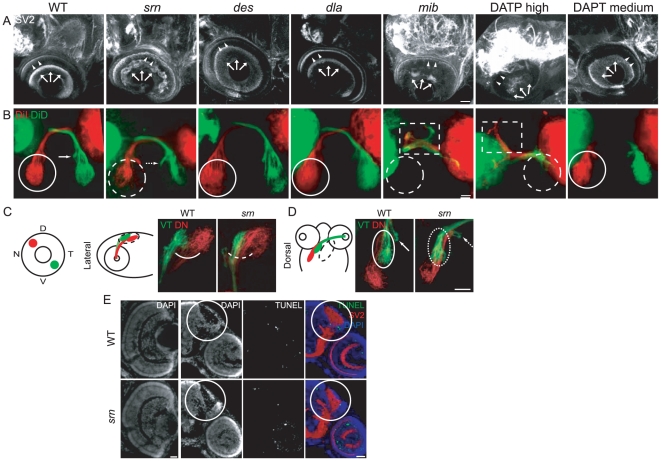
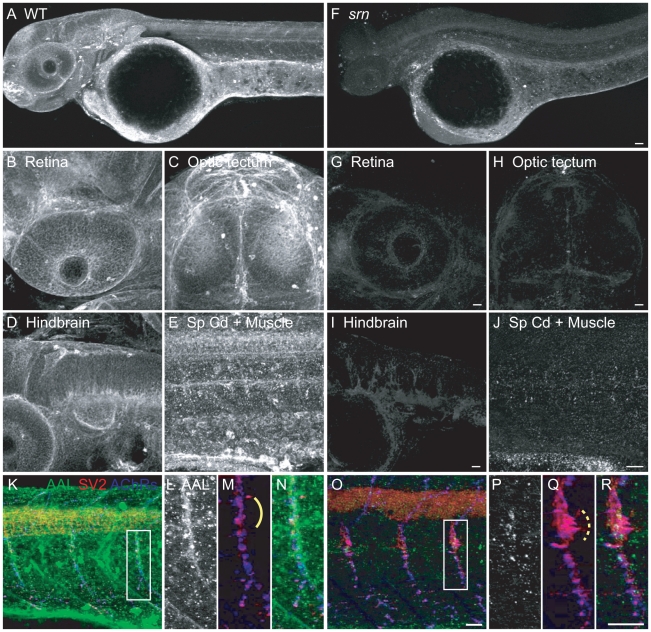
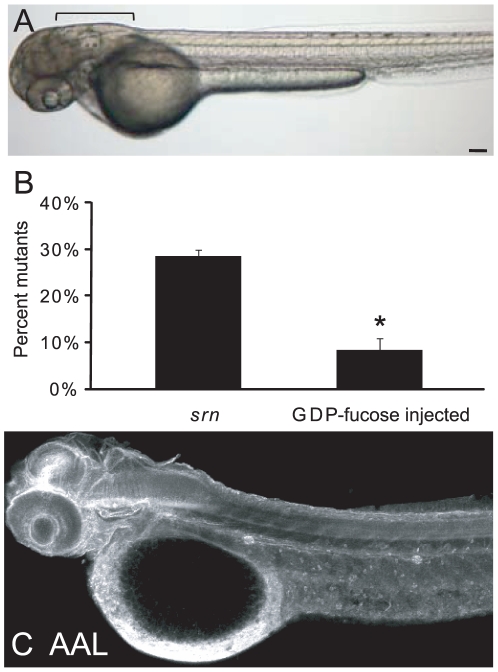
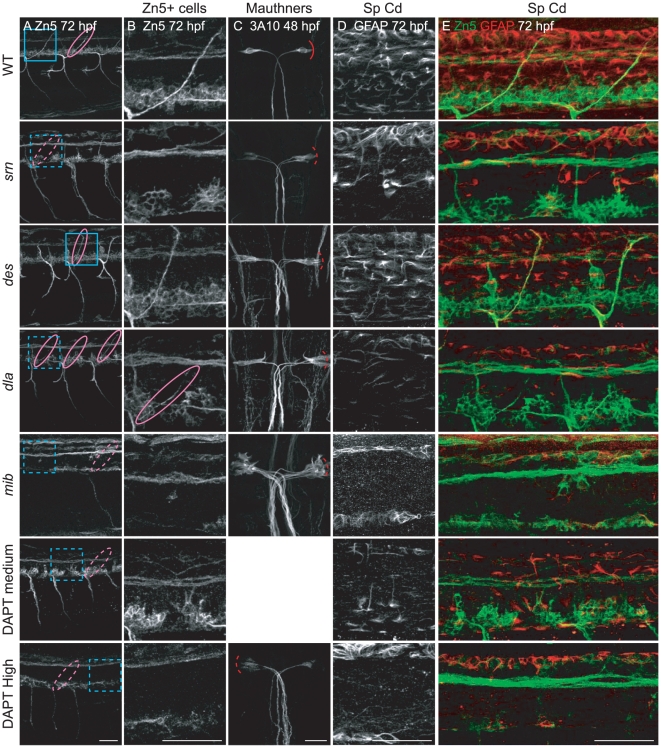
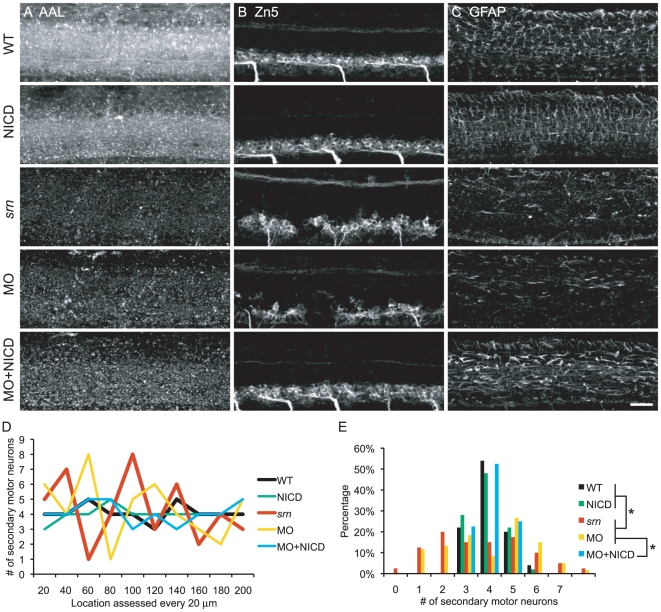
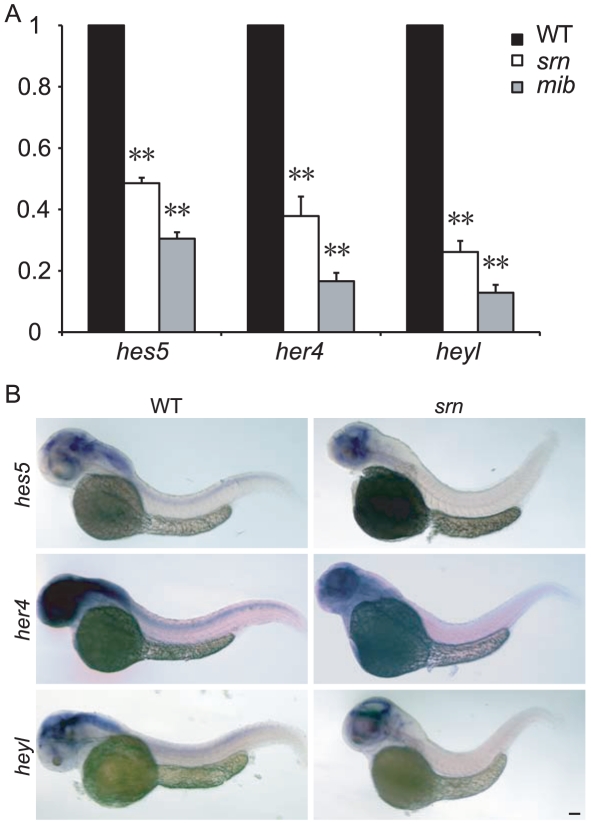
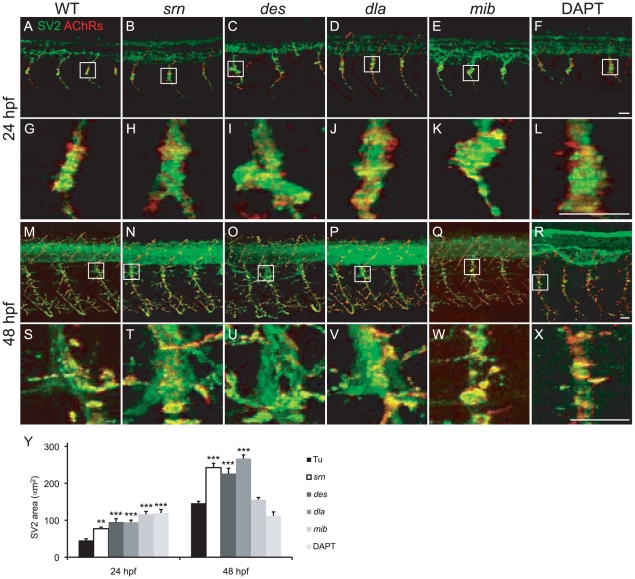
Congenital disorder of glycosylation type IIc (CDG IIc) is characterized by mental retardation, slowed growth and severe immunodeficiency, attributed to the lack of fucosylated glycoproteins. While impaired Notch signaling has been implicated in some aspects of CDG IIc pathogenesis, the molecular and cellular mechanisms remain poorly understood. We have identified a zebrafish mutant slytherin (srn), which harbors a missense point mutation in GDP-mannose 4,6 dehydratase (GMDS), the rate-limiting enzyme in protein fucosylation, including that of Notch. Here we report that some of the mechanisms underlying the neural phenotypes in srn and in CGD IIc are Notch-dependent, while others are Notch-independent. We show, for the first time in a vertebrate in vivo, that defects in protein fucosylation leads to defects in neuronal differentiation, maintenance, axon branching, and synapse formation. Srn is thus a useful and important vertebrate model for human CDG IIc that has provided new insights into the neural phenotypes that are hallmarks of the human disorder and has also highlighted the role of protein fucosylation in neural development.
先天性糖基化障碍 IIc 型(CDG IIc)的特征是智力迟钝、生长缓慢和严重的免疫缺陷,这归因于缺乏岩藻糖基化糖蛋白。虽然 Notch 信号转导受损与 CDG IIc 发病机制的某些方面有关,但分子和细胞机制仍知之甚少。我们已经鉴定出一种斑马鱼突变体 slytherin(srn),它在 GDP-甘露糖 4,6 脱水酶(GMDS)中存在错义点突变,GMDS 是蛋白质岩藻糖基化的限速酶,包括 Notch。在这里,我们报告了 srn 和 CGD IIc 中神经表型的一些机制是 Notch 依赖性的,而另一些则是 Notch 非依赖性的。我们首次在脊椎动物体内显示,蛋白质岩藻糖基化缺陷导致神经元分化、维持、轴突分支和突触形成缺陷。因此,srn 是人类 CDG IIc 的一个有用且重要的脊椎动物模型,它为人类疾病的神经表型提供了新的见解,也强调了蛋白质岩藻糖基化在神经发育中的作用。