Clinical Research Division, Fred Hutchinson Cancer Research Center, Seattle, WA, USA.
Expert Rev Hematol. 2009 Oct;2(5):517-32. doi: 10.1586/ehm.09.47.
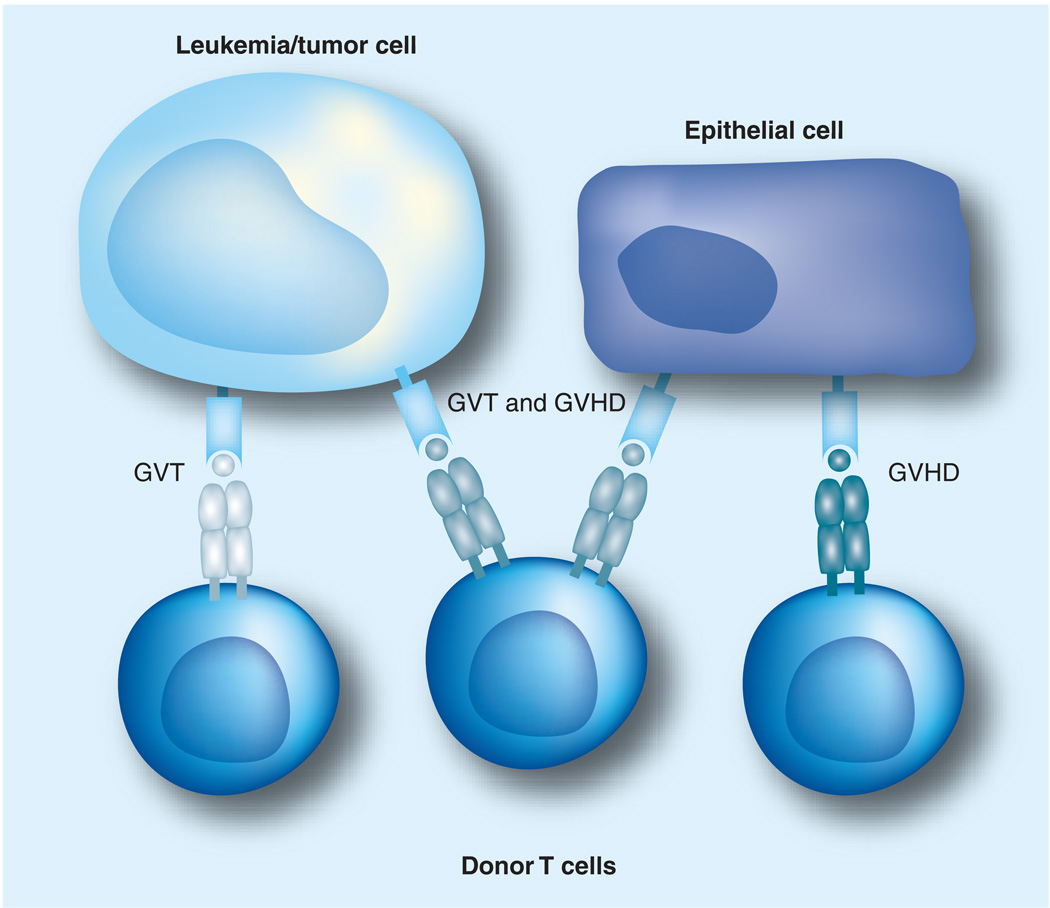
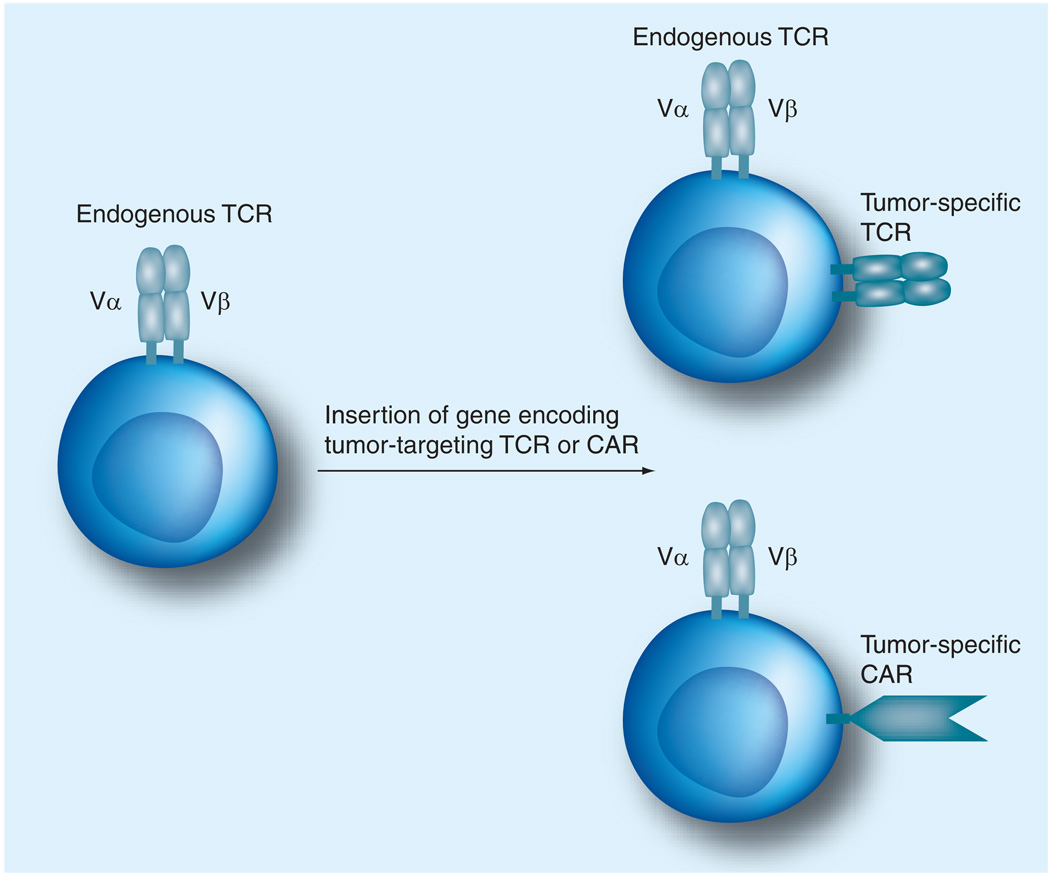
The success of allogeneic hematopoietic cell transplantation (HCT) for B-cell malignancies is evidence that these tumors can be eliminated by T lymphocytes. This has encouraged the development of specific adoptive T-cell therapy, both for augmenting the anti-tumor effect of HCT and for patients not undergoing HCT. T cells that are capable of recognizing antigens expressed on malignant B cells may be recruited from the endogenous repertoire or engineered to express tumor-targeting receptors. Critical insights into the qualities of T cells that enable their persistence and function in vivo have been derived, and obstacles to effective T-cell-mediated tumor eradication are being elucidated. These advances provide the tools to translate adoptive T-cell transfer into reliable clinical therapies.
异基因造血细胞移植(HCT)治疗 B 细胞恶性肿瘤的成功证明了 T 淋巴细胞可以消除这些肿瘤。这鼓励了特异性过继性 T 细胞治疗的发展,既可以增强 HCT 的抗肿瘤效应,也可以用于未接受 HCT 的患者。能够识别恶性 B 细胞表达的抗原的 T 细胞可以从内源性库中招募,或者经过基因工程表达肿瘤靶向受体。人们已经深入了解了使 T 细胞在体内持续存在和发挥功能的特性,并阐明了有效 T 细胞介导的肿瘤清除的障碍。这些进展为将过继性 T 细胞转移转化为可靠的临床治疗提供了工具。