The University of Melbourne, St Vincent's Hospital, Department of Medicine, Melbourne, Victoria, Australia.
J Cell Mol Med. 2011 Oct;15(10):2117-29. doi: 10.1111/j.1582-4934.2010.01241.x.
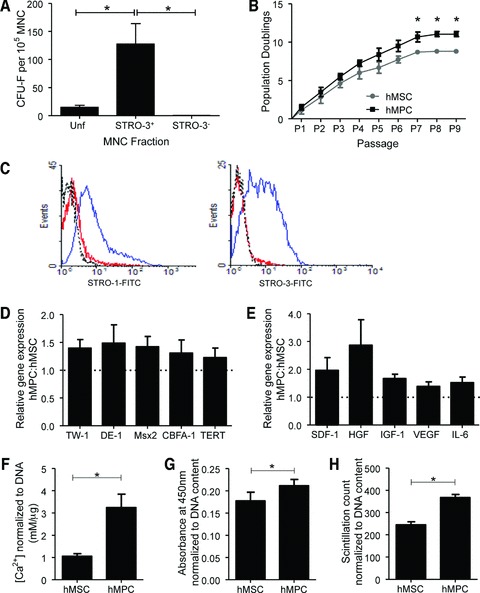
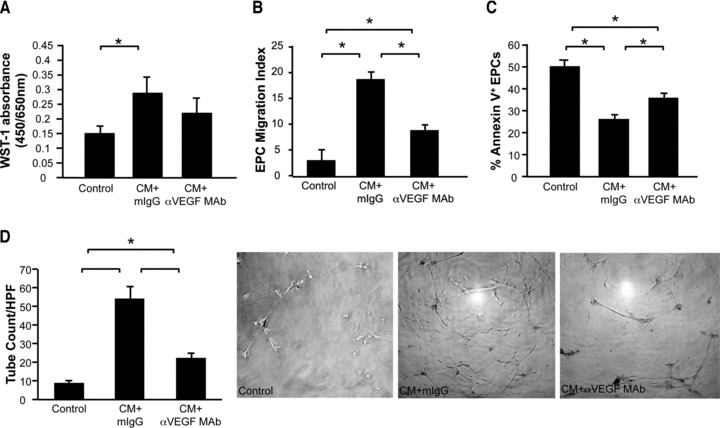
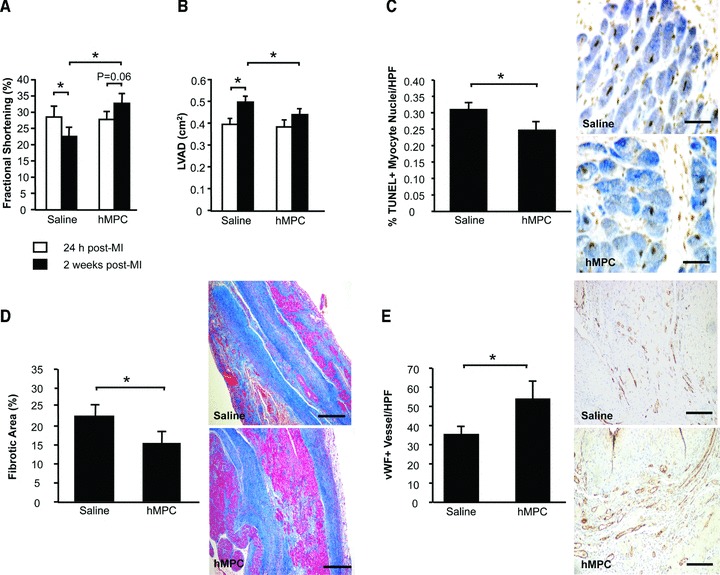
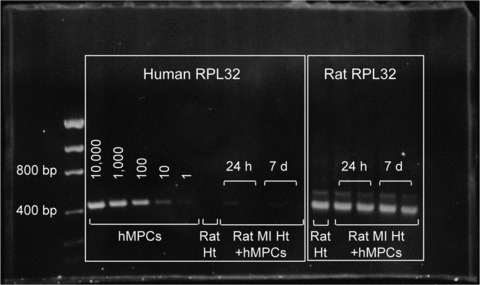
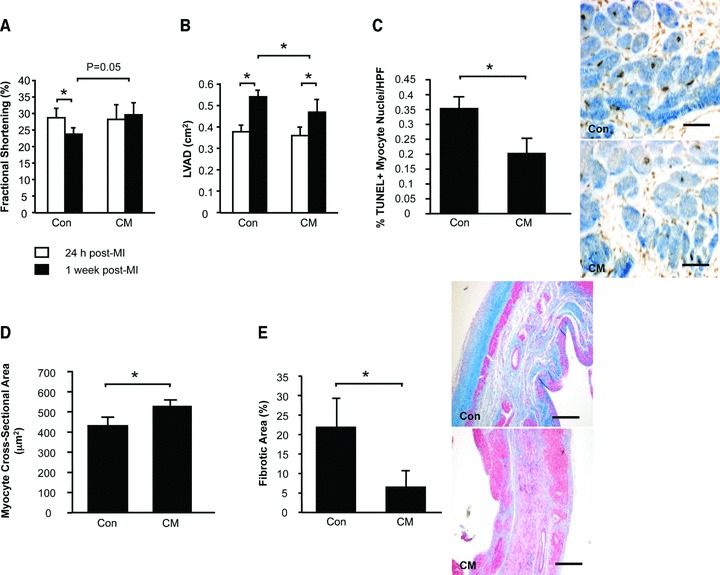
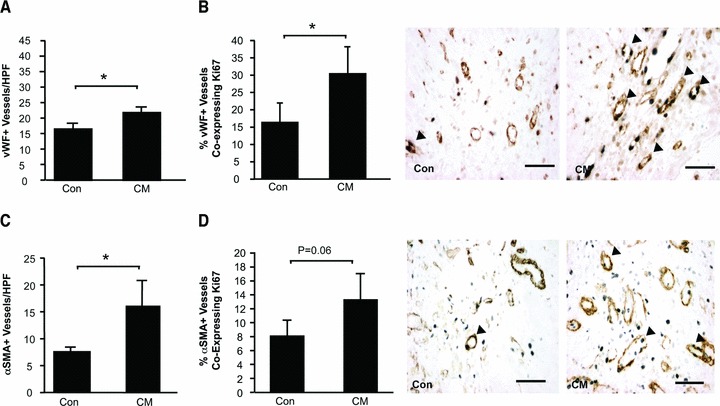
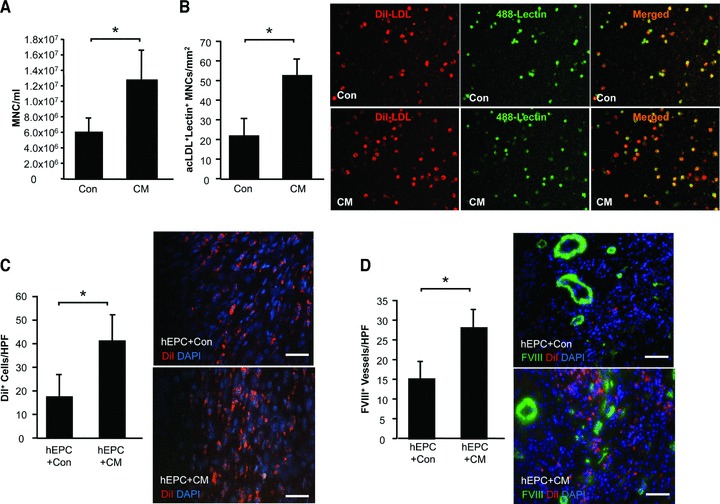
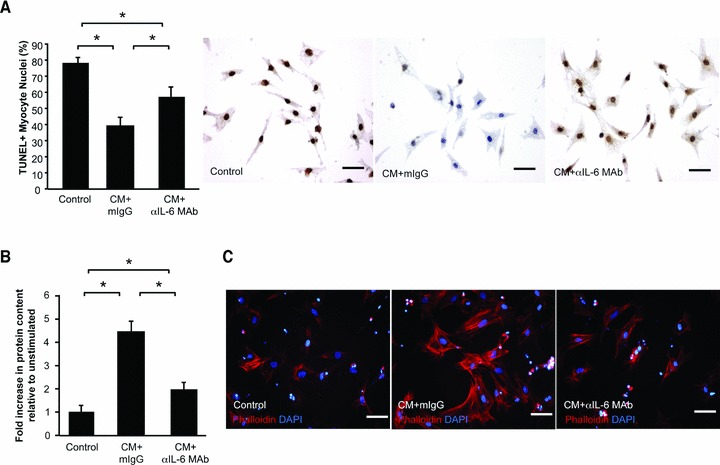
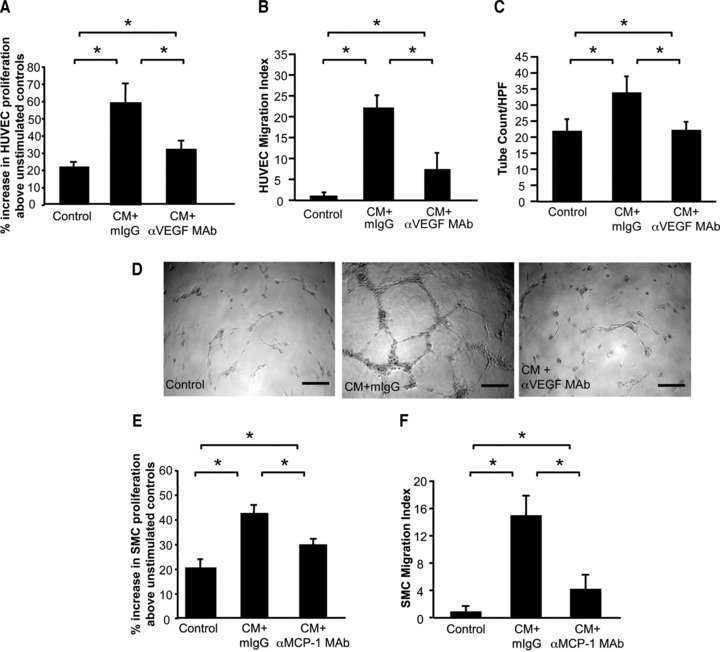
Stromal precursor antigen (STRO)-3 has previously been shown to identify a subset of adult human bone marrow (BM)-derived mesenchymal lineage precursors, which may have cardioprotective potential. We sought to characterize STRO-3-immunoselected and culture-expanded mesenchymal precursor cells (MPCs) with respect to their biology and therapeutic potential in myocardial ischemia. Immunoselection of STRO-3(+) MPCs enriched for fibroblastic colony forming units from unfractionated BM mononuclear cells (MNCs). Compared to mesenchymal stem cells conventionally isolated by plastic adherence, MPCs demonstrated increased proliferative capacity during culture expansion, expressed higher levels of early 'stem cell' markers and various pro-angiogenic and cardioprotective cytokines, and exhibited greater trilineage developmental efficiency. Intramyocardial injection of MPCs into a rat model of myocardial infarction (MI) promoted left ventricular recovery and inhibited left ventricular dilatation. These beneficial effects were associated with cardioprotective and pro-angiogenic effects at the tissue level, despite poor engraftment of cells. Treatment of MI rats with MPC-conditioned medium (CM) preserved left ventricular function and dimensions, reduced myocyte apoptosis and fibrosis, and augmented neovascularization, involving both resident vascular cells and circulating endothelial progenitor cells (EPCs). Profiling of CM revealed various cardioprotective and pro-angiogenic factors, which had biological activity in cultures of myocytes, tissue-resident vascular cells and EPCs. Prospective immunoselection of STRO-3(+) MPCs from BM MNCs conferred advantage in maintaining a population of immature MPCs during ex vivo expansion. Transplantation of culture-expanded MPCs into the post-MI heart resulted in therapeutic benefit, attributable at least in part to paracrine mechanisms of action. Thus, MPCs represent a promising therapy for myocardial ischemia.
基质前体细胞抗原 (STRO)-3 先前已被证明可识别成人骨髓 (BM) 衍生的间充质谱系前体细胞的一个亚群,这些前体细胞可能具有心脏保护潜力。我们试图从未分馏的 BM 单核细胞 (MNC) 中描述 STRO-3 免疫选择和培养扩增的间充质前体细胞 (MPC) 的生物学特性及其在心肌缺血中的治疗潜力。从未分馏的 BM MNC 中免疫选择 STRO-3(+) MPC 可富集成纤维细胞集落形成单位。与通过塑料贴壁常规分离的间充质干细胞相比,MPC 在培养扩增过程中表现出更高的增殖能力,表达更高水平的早期“干细胞”标志物和各种促血管生成和心脏保护细胞因子,并且表现出更高的三系发育效率。将 MPC 注射到心肌梗死 (MI) 大鼠模型的心肌内,可促进左心室恢复并抑制左心室扩张。这些有益作用与组织水平的心脏保护和促血管生成作用相关,尽管细胞植入不良。用 MPC 条件培养基 (CM) 治疗 MI 大鼠可维持左心室功能和尺寸,减少心肌细胞凋亡和纤维化,并增加新血管生成,包括常驻血管细胞和循环内皮祖细胞 (EPC)。CM 的分析揭示了各种心脏保护和促血管生成因子,这些因子在心肌、组织驻留血管细胞和 EPC 的培养物中具有生物活性。从 BM MNC 中前瞻性地免疫选择 STRO-3(+) MPC 可在体外扩增过程中维持不成熟 MPC 群体的优势。将培养扩增的 MPC 移植到 MI 后心脏可带来治疗益处,这至少部分归因于旁分泌作用机制。因此,MPC 代表了一种有前途的心肌缺血治疗方法。