Dominick P. Purpura Department of Neuroscience, Albert Einstein College of Medicine, 1300 Morris Park Avenue, Bronx, NY 10461, USA.
Front Neuroendocrinol. 2011 Aug;32(3):336-52. doi: 10.1016/j.yfrne.2010.12.005. Epub 2010 Dec 14.
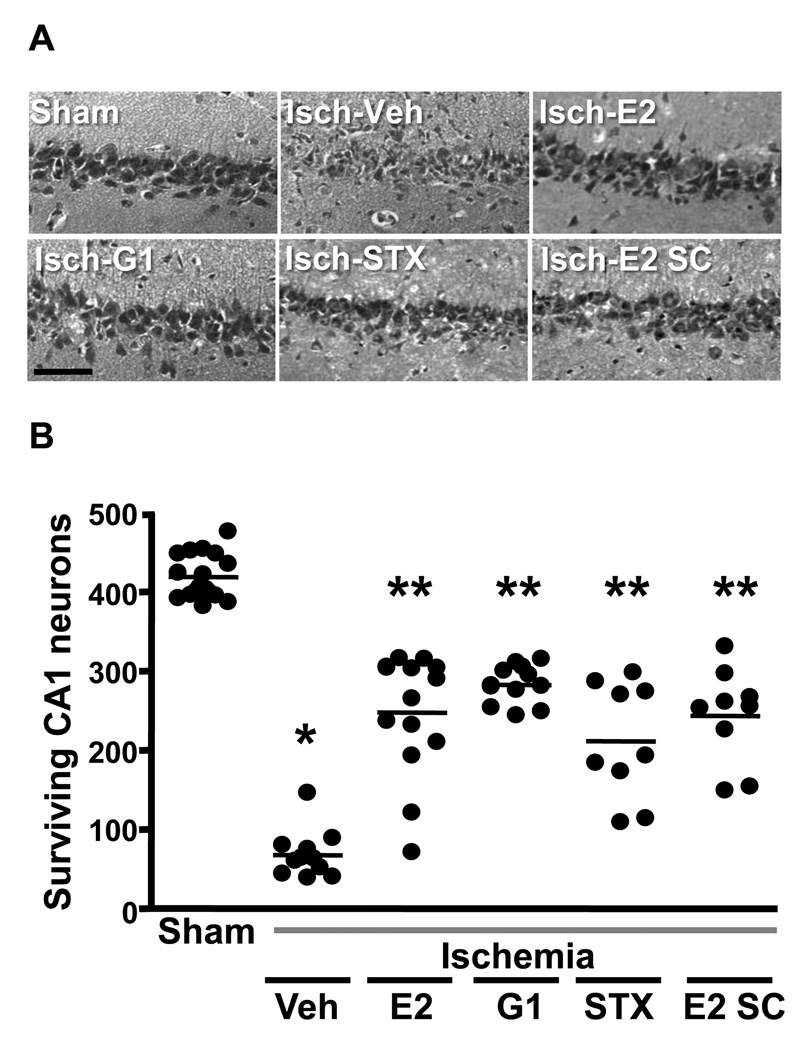
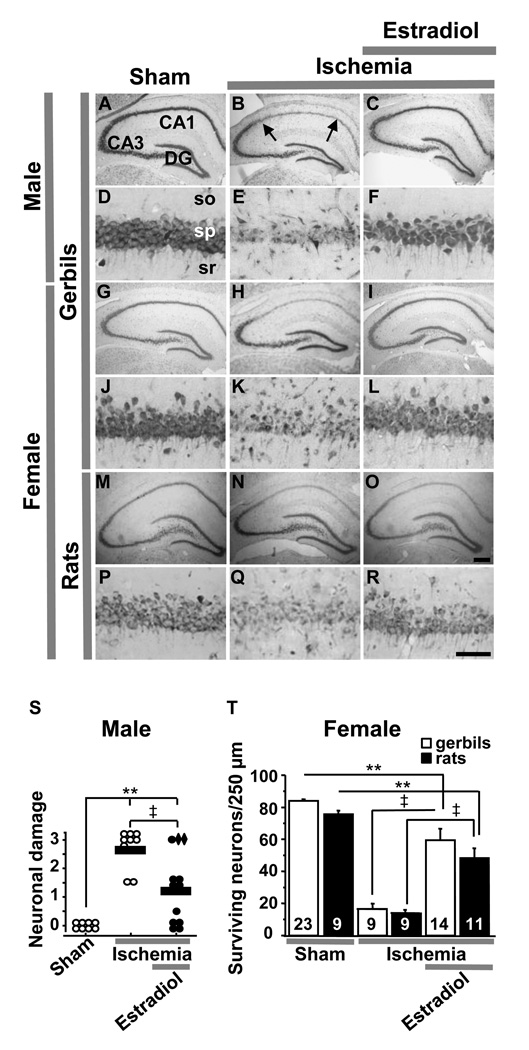
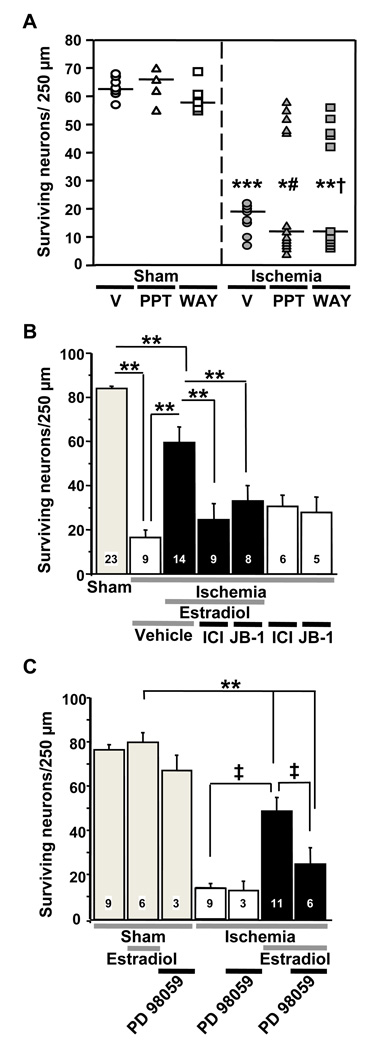
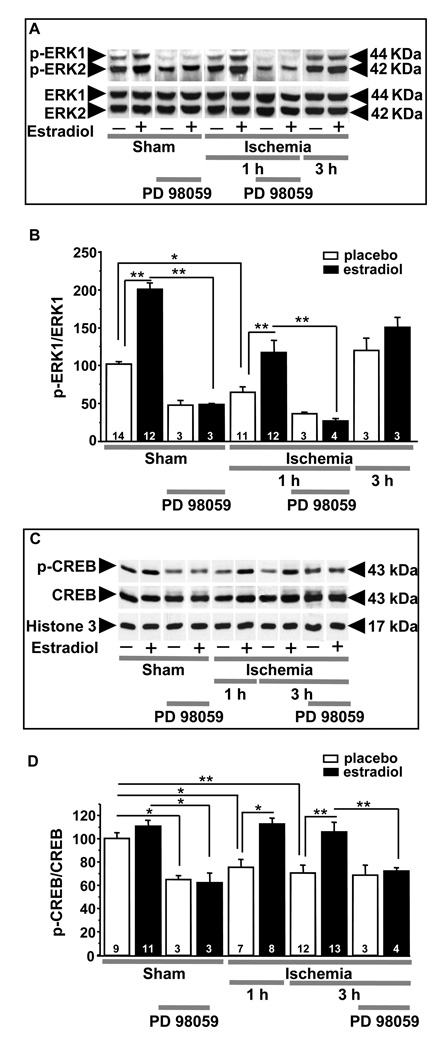
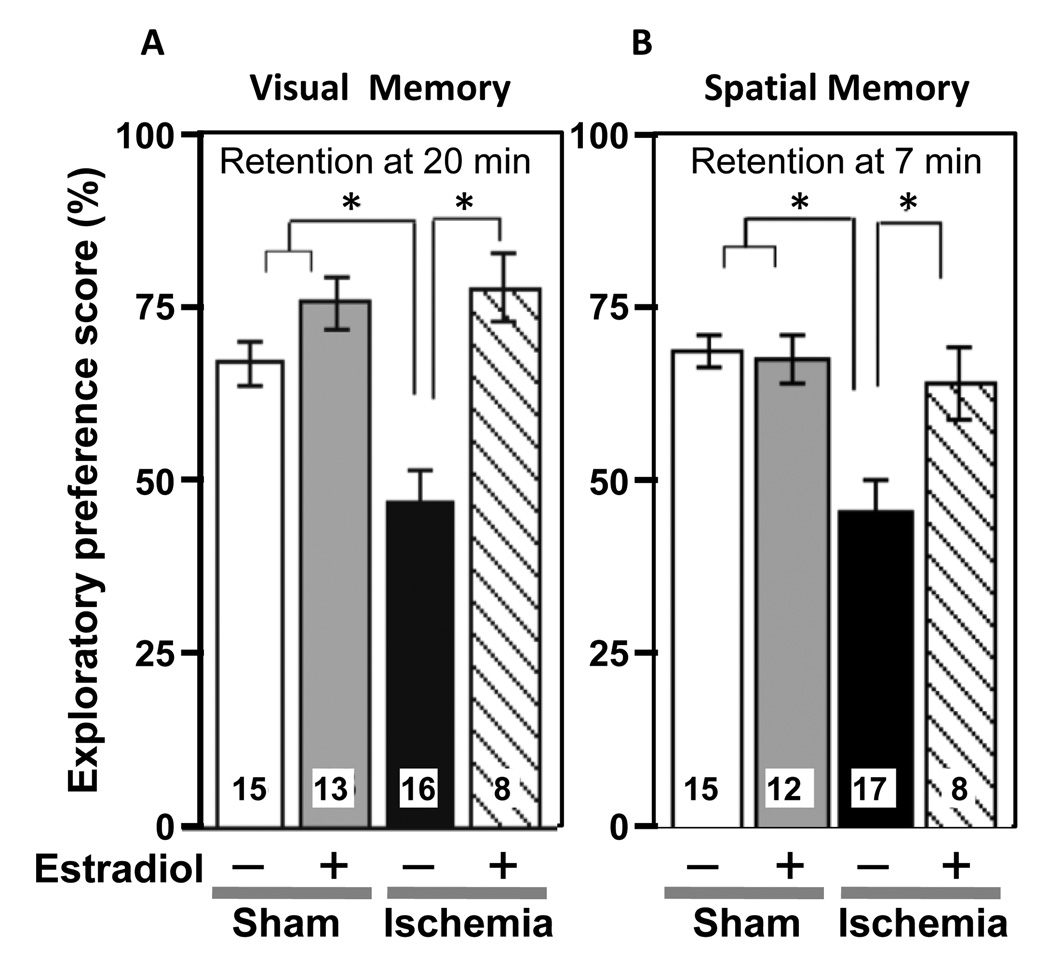
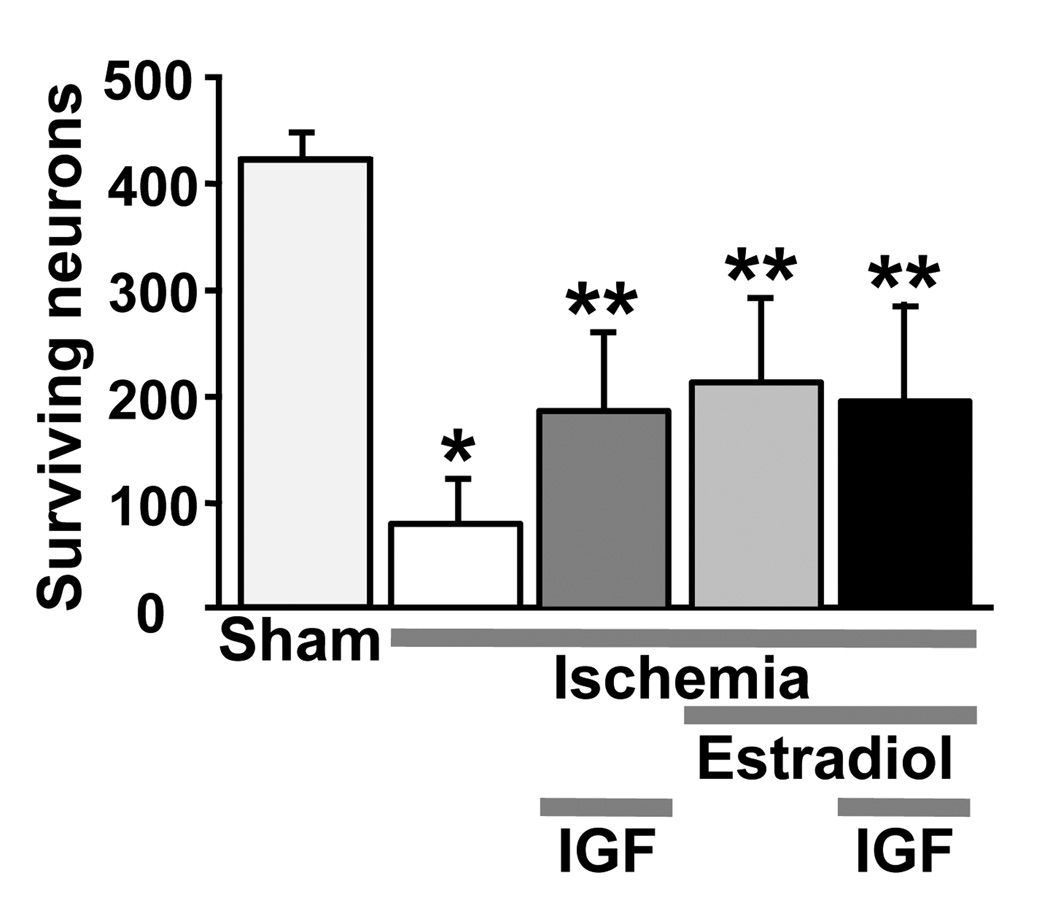
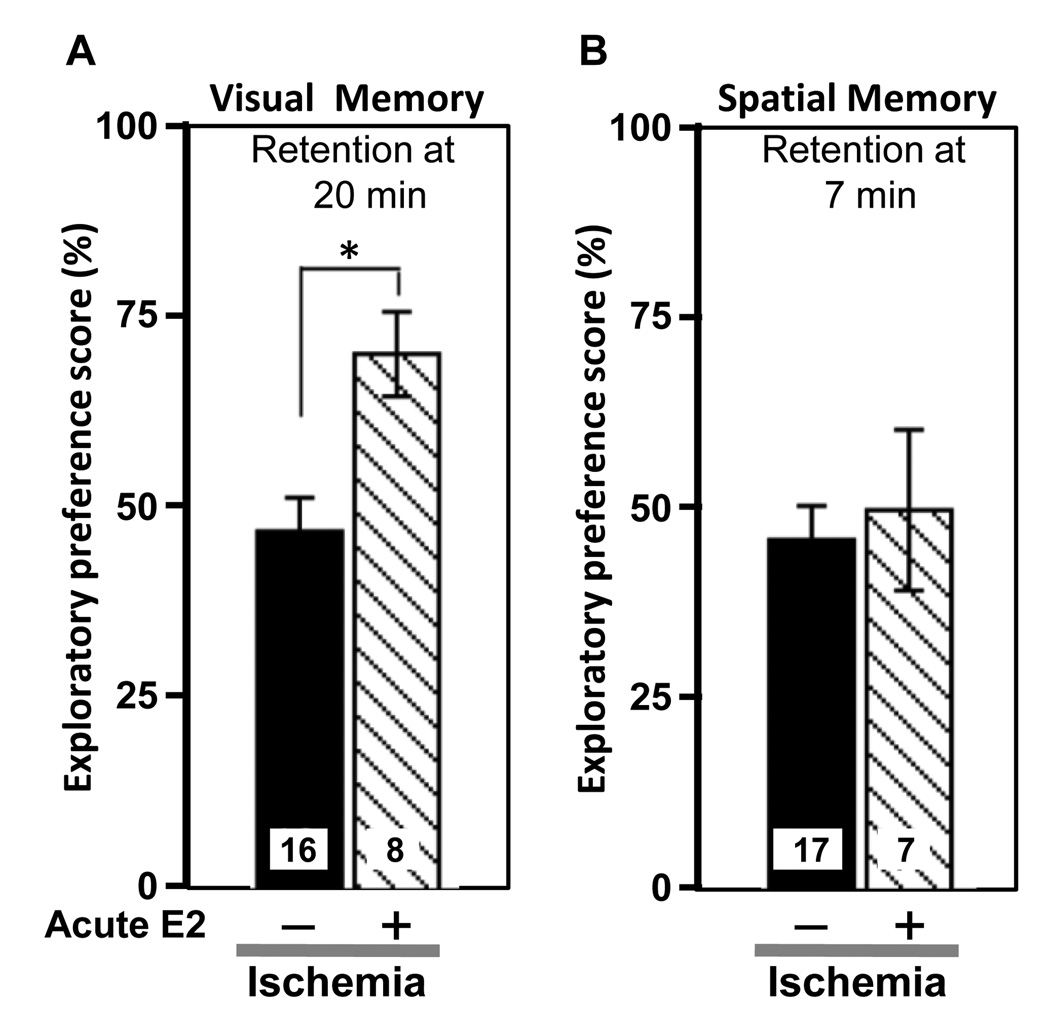
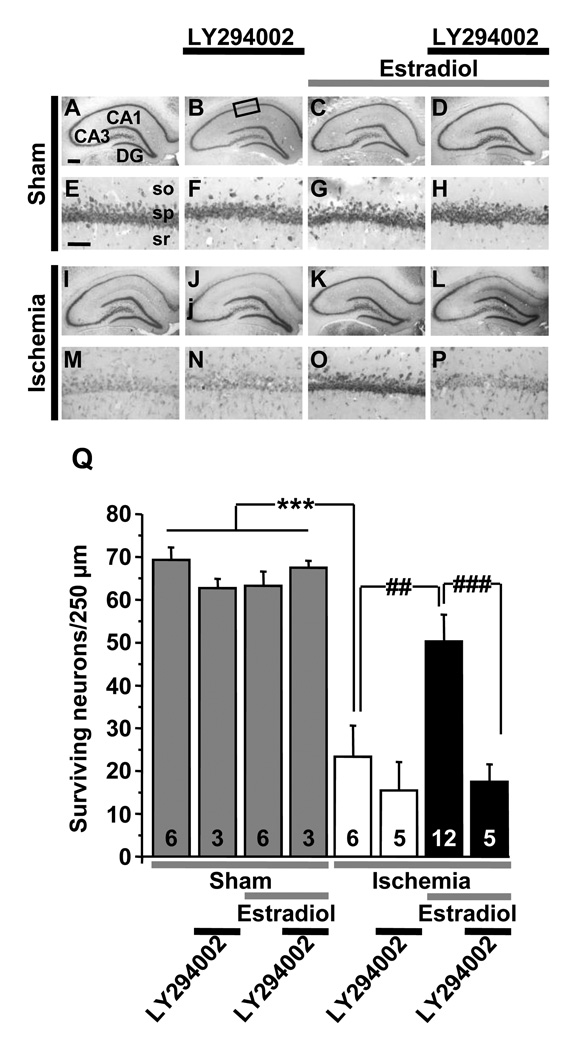
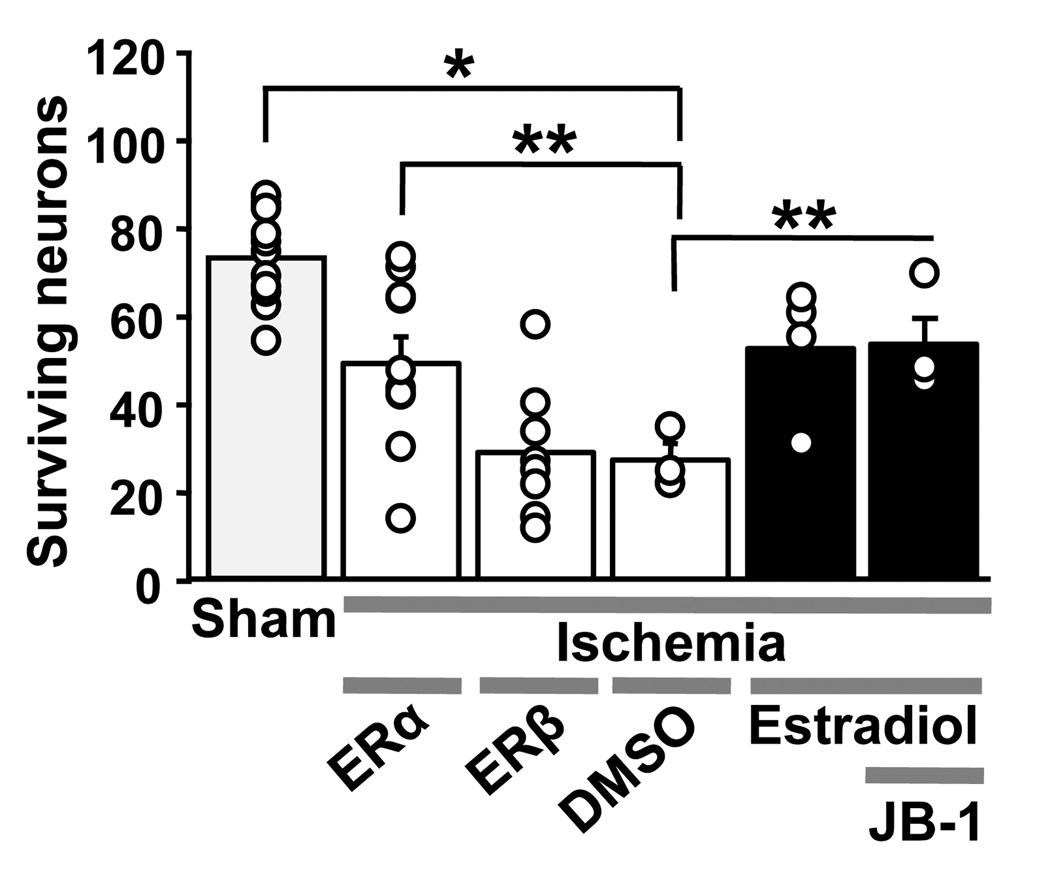
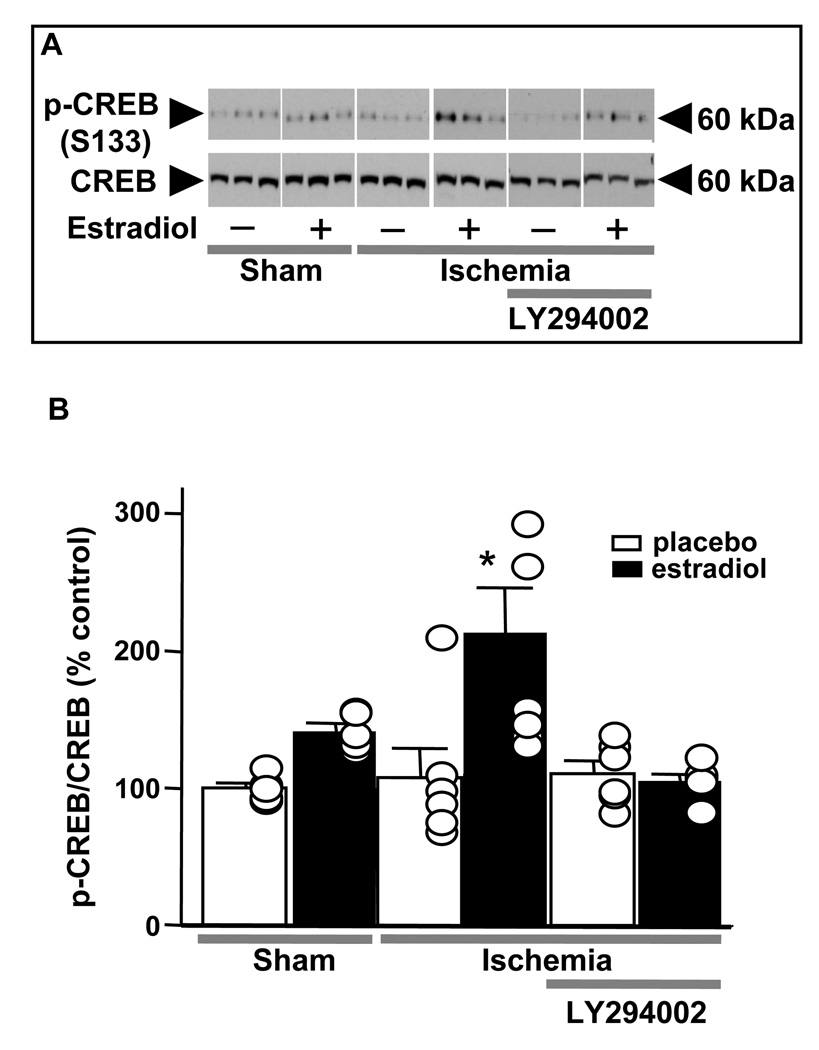
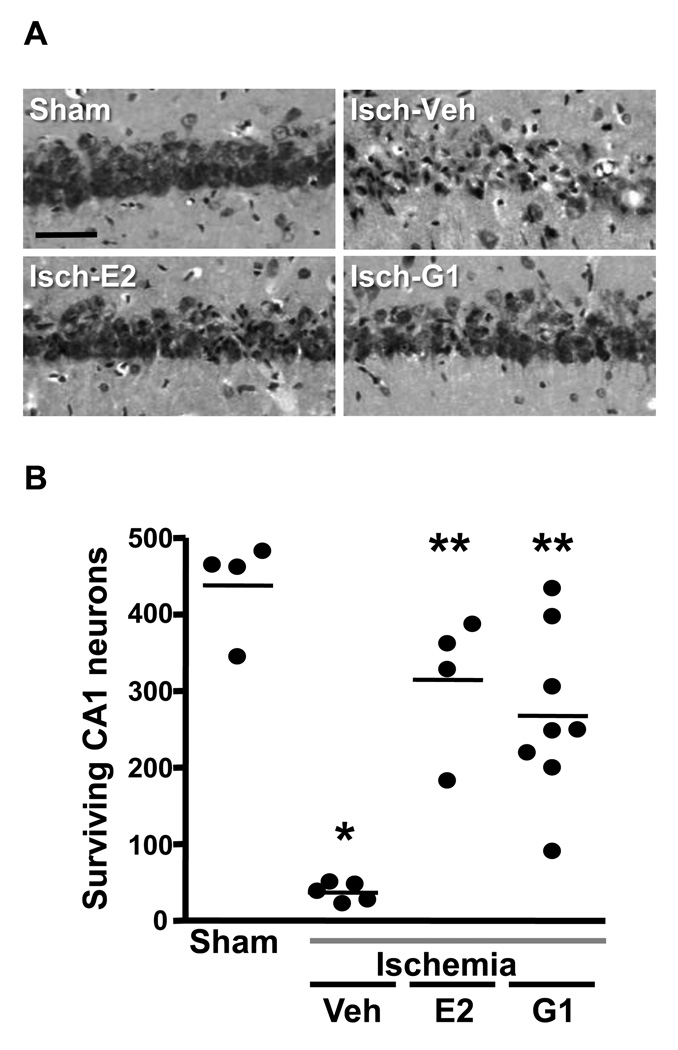
This review highlights our investigations into the neuroprotective efficacy of estradiol and other estrogenic agents in a clinically relevant animal model of transient global ischemia, which causes selective, delayed death of hippocampal CA1 neurons and associated cognitive deficits. We find that estradiol rescues a significant number of CA1 pyramidal neurons that would otherwise die in response to global ischemia, and this is true when hormone is provided as a long-term pretreatment at physiological doses or as an acute treatment at the time of reperfusion. In addition to enhancing neuronal survival, both forms of estradiol treatment induce measurable cognitive benefit in young animals. Moreover, estradiol and estrogen analogs that do not bind classical nuclear estrogen receptors retain their neuroprotective efficacy in middle-aged females deprived of ovarian hormones for a prolonged duration (8weeks). Thus, non-feminizing estrogens may represent a new therapeutic approach for treating the neuronal damage associated with global ischemia.
这篇综述强调了我们在一种与临床相关的短暂性全脑缺血动物模型中对雌二醇和其他雌激素药物的神经保护作用的研究,该模型可导致海马 CA1 神经元的选择性、迟发性死亡以及相关的认知缺陷。我们发现,雌二醇可挽救大量在全脑缺血时本应死亡的 CA1 锥体神经元,而无论激素是作为生理剂量的长期预处理提供,还是在再灌注时作为急性治疗提供,都是如此。除了增强神经元存活外,这两种形式的雌二醇治疗都能使年轻动物产生可测量的认知益处。此外,在被剥夺卵巢激素长达(8 周)的中年雌性动物中,不与经典核雌激素受体结合的雌二醇和雌激素类似物仍保留其神经保护作用。因此,非致女性化的雌激素可能代表了一种治疗与全脑缺血相关的神经元损伤的新治疗方法。