Integrated Department of Immunology, University of Colorado Denver School of Medicine and National Jewish Health, Denver, Colorado, United States of America.
PLoS One. 2010 Dec 10;5(12):e15142. doi: 10.1371/journal.pone.0015142.
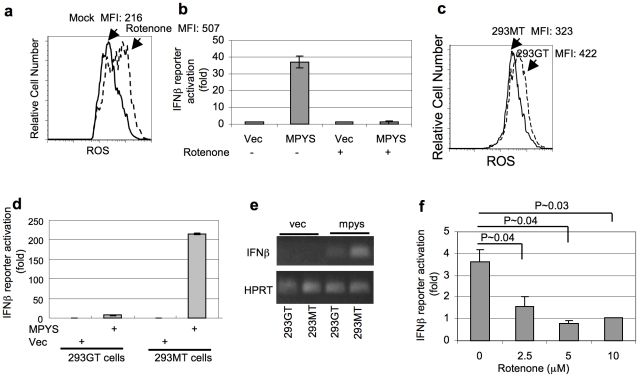
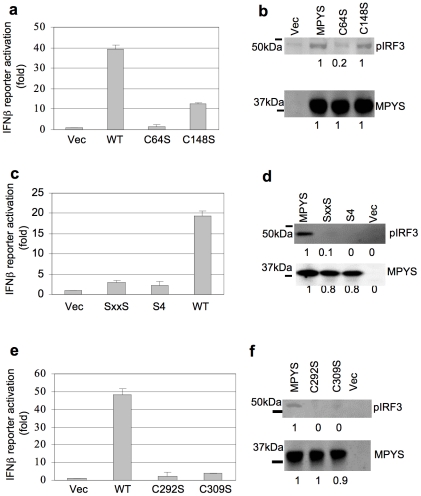
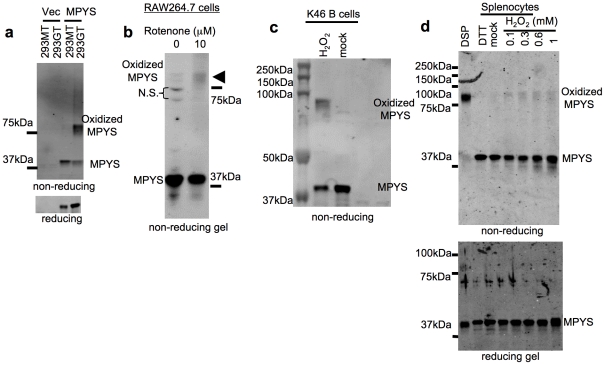
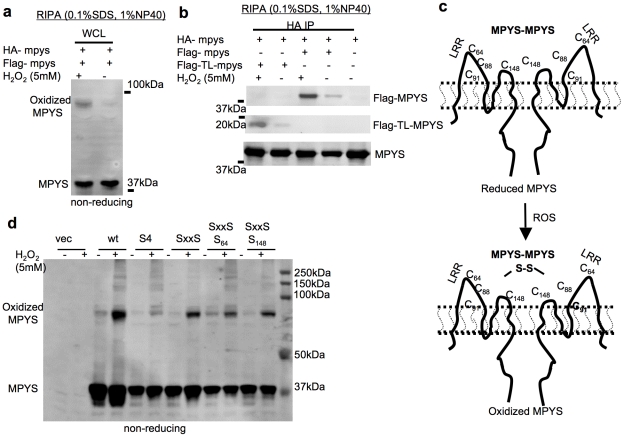
Many inflammatory diseases, as well as infections, are accompanied by elevation in cellular levels of Reactive Oxygen Species (ROS). Here we report that MPYS, a.k.a. STING, which was recently shown to mediate activation of IFNβ expression during infection, is a ROS sensor. ROS induce intermolecular disulfide bonds formation in MPYS homodimer and inhibit MPYS IFNβ stimulatory activity. Cys-64, -148, -292, -309 and the potential C₈₈xxC₉₁ redox motif in MPYS are indispensable for IFNβ stimulation and IRF3 activation. Thus, our results identify a novel mechanism for ROS regulation of IFNβ stimulation.
许多炎症性疾病以及感染都会伴随着活性氧(ROS)水平的升高。在这里,我们报告了一种新的发现,即 MPYS(也称为 STING)在感染过程中被证明可以介导 IFNβ 的表达激活,它是一种 ROS 传感器。ROS 会诱导 MPYS 同源二聚体形成分子间二硫键,并抑制 MPYS 的 IFNβ 刺激活性。MPYS 中的 Cys-64、-148、-292、-309 和潜在的 C₈₈xxC₉₁ 氧化还原模体对于 IFNβ 刺激和 IRF3 激活是不可或缺的。因此,我们的结果确定了 ROS 调节 IFNβ 刺激的一种新机制。