Department of Human Evolution, Max Planck Institute for Evolutionary Anthropology, Leipzig, Germany.
PLoS One. 2010 Dec 17;5(12):e15582. doi: 10.1371/journal.pone.0015582.
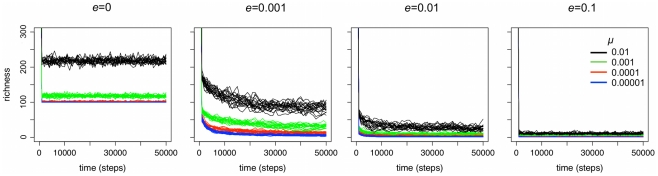
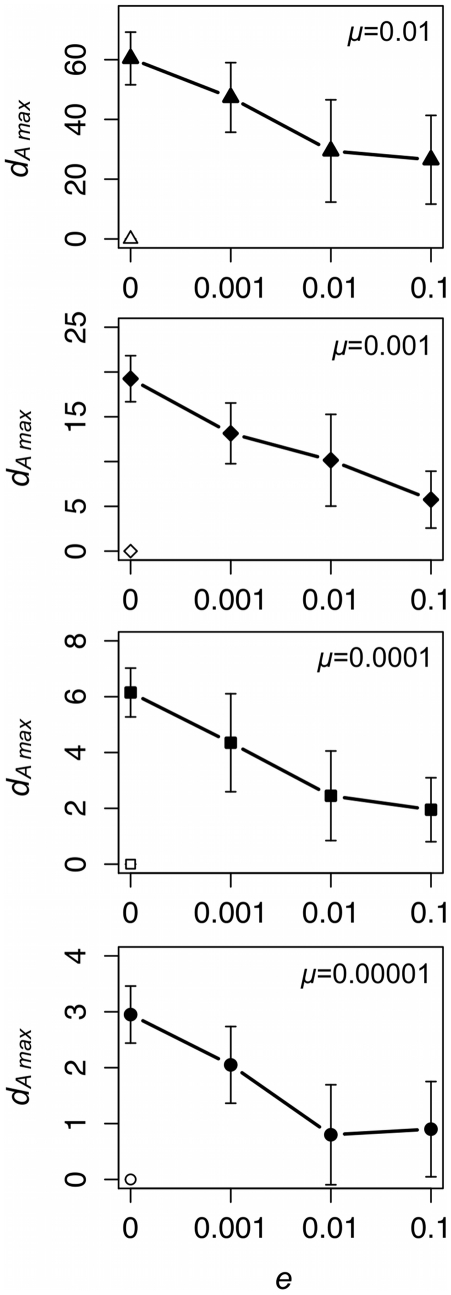
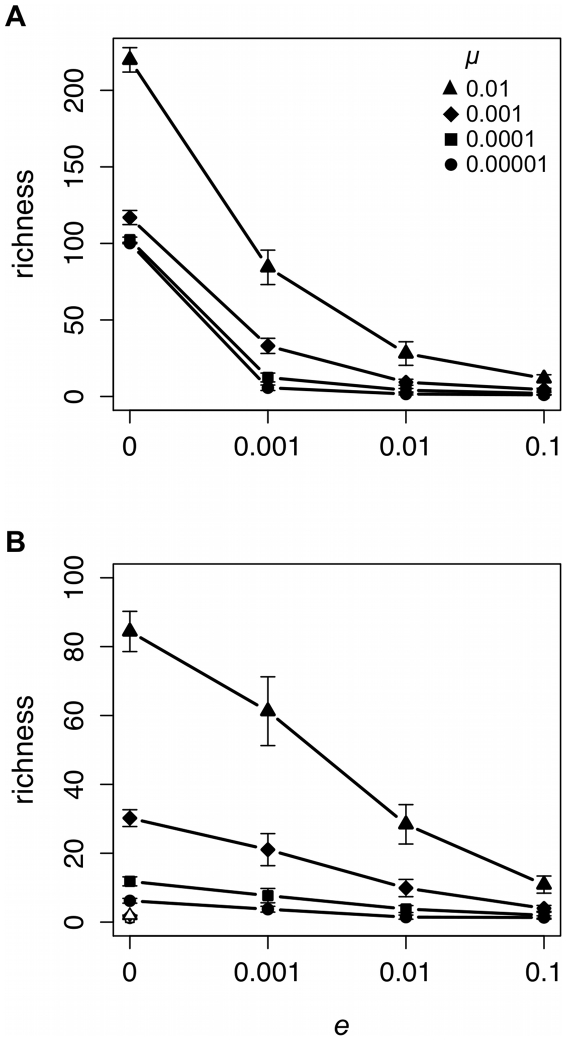
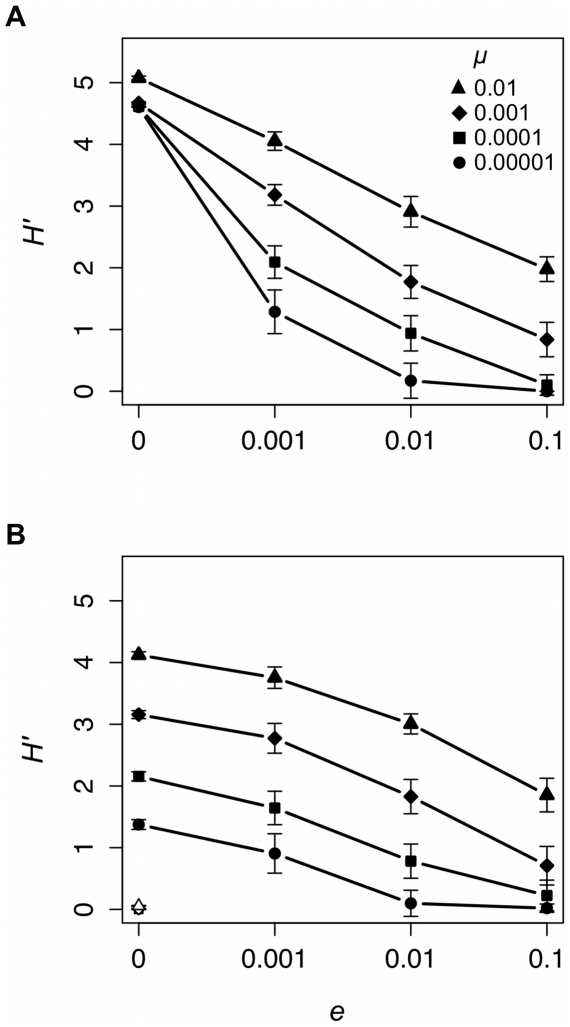
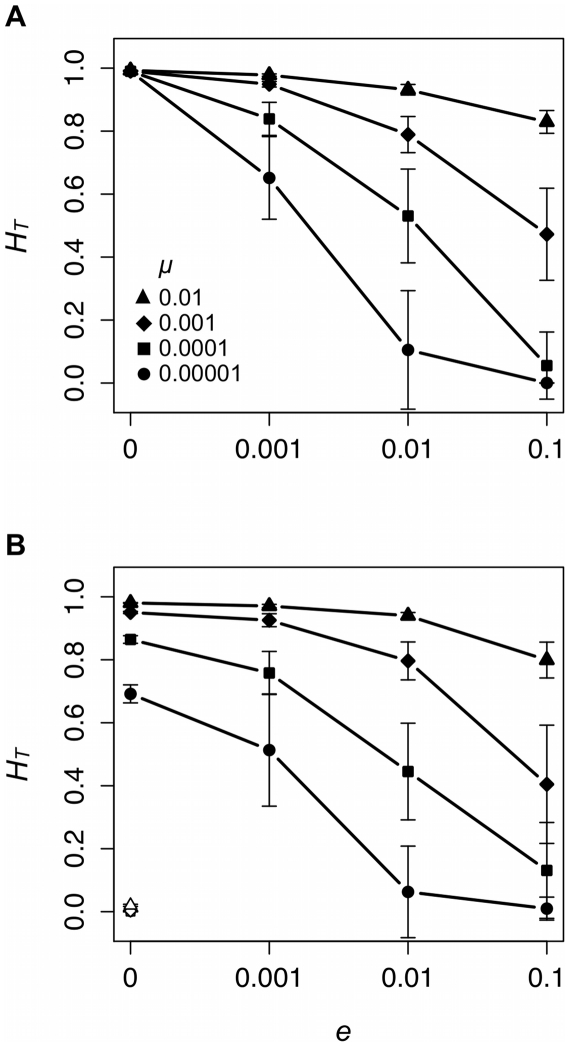
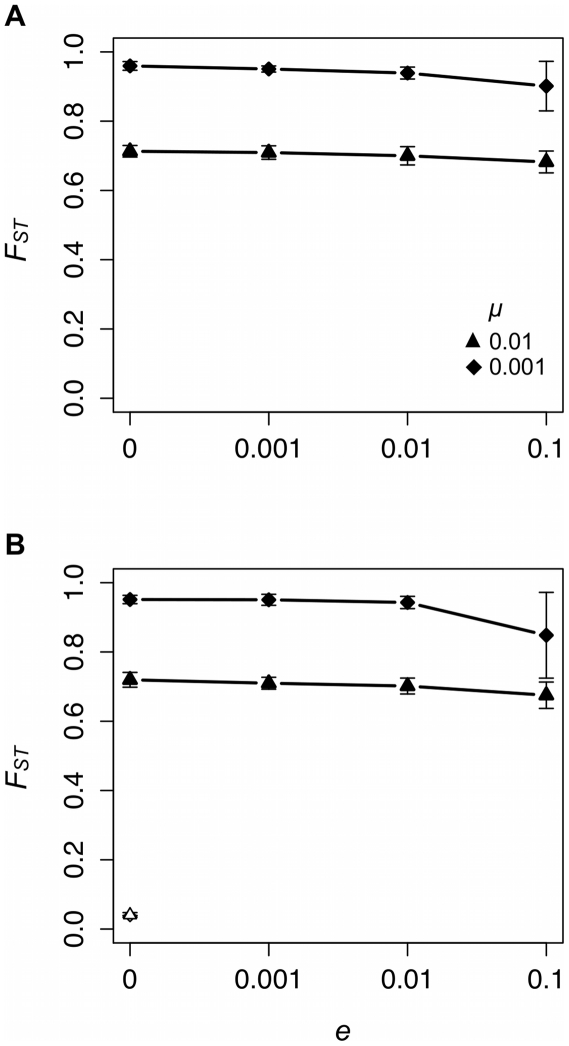
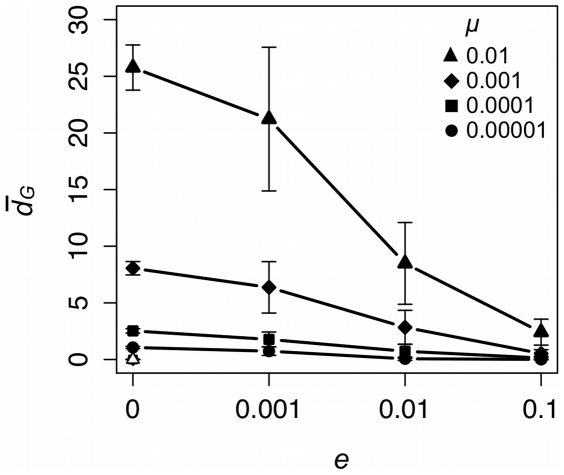
The persistence of early stone tool technologies has puzzled archaeologists for decades. Cognitively based explanations, which presume either lack of ability to innovate or extreme conformism, do not account for the totality of the empirical patterns. Following recent research, this study explores the effects of demographic factors on rates of culture change and diversification. We investigate whether the appearance of stability in early Paleolithic technologies could result from frequent extinctions of local subpopulations within a persistent metapopulation. A spatially explicit agent-based model was constructed to test the influence of local extinction rate on three general cultural patterns that archaeologists might observe in the material record: total diversity, differentiation among spatially defined groups, and the rate of cumulative change. The model shows that diversity, differentiation, and the rate of cumulative cultural change would be strongly affected by local extinction rates, in some cases mimicking the results of conformist cultural transmission. The results have implications for understanding spatial and temporal patterning in ancient material culture.
早期石器技术的持续存在令考古学家困惑了数十年。基于认知的解释,要么假设缺乏创新能力,要么假设极端的从众行为,但这些解释并不能说明所有经验模式。本研究以最近的研究为基础,探讨了人口因素对文化变迁和多样化速度的影响。我们研究了在持续的复合种群中,局部亚种群频繁灭绝是否会导致早期旧石器时代技术的稳定性出现。构建了一个空间明确的基于主体的模型,以检验局部灭绝率对考古学家在物质记录中可能观察到的三种一般文化模式的影响:总多样性、空间定义群体之间的分化以及累积变化率。模型表明,多样性、分化和累积文化变化率将受到局部灭绝率的强烈影响,在某些情况下,模仿从众文化传播的结果。研究结果对于理解古代物质文化的空间和时间模式具有重要意义。