Institut Pasteur, Genotyping of Pathogens and Public Health, Paris, France.
PLoS One. 2010 Dec 20;5(12):e15243. doi: 10.1371/journal.pone.0015243.
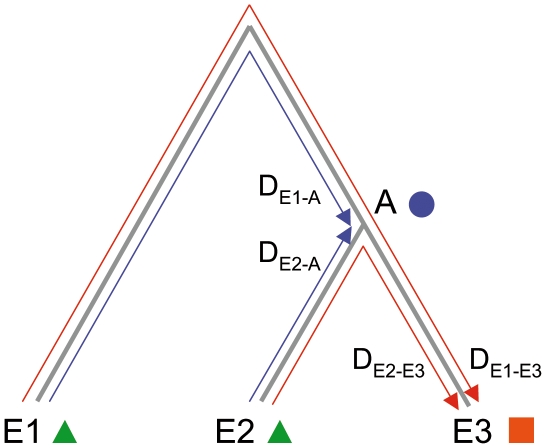
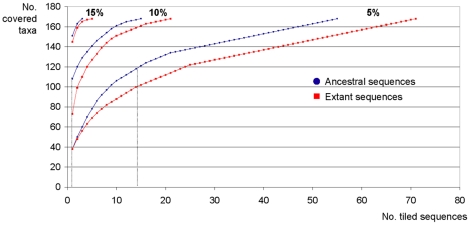
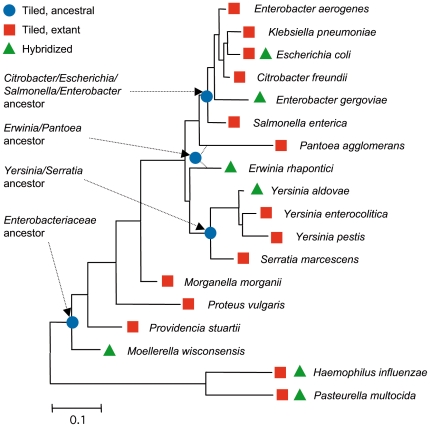
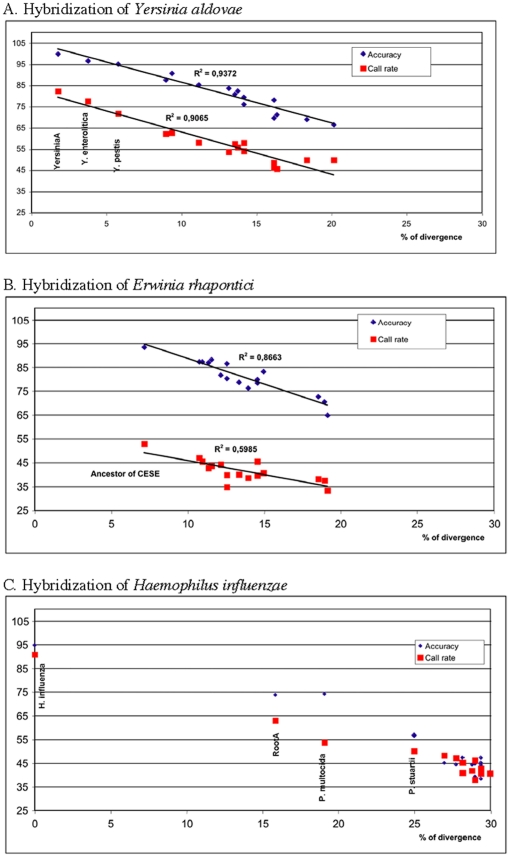
We describe the benefit of using reconstructed ancestral sequences (RAS) on resequencing microarrays for rapid pathogen identification, with Enterobacteriaceae rpoB sequences as a model. Our results demonstrate a sharp improvement of call rate and accuracy when using RASs as compared to extant sequences. This improvement was attributed to the lower sequence divergence of RASs, which also expanded the sequence space covered by the microarray. Extension of this novel microarray design strategy to viruses, antimicrobial resistance elements or toxins is straightforward.
我们描述了在重测序微阵列上使用重建祖先序列(RAS)进行快速病原体鉴定的益处,以肠杆菌 rpoB 序列作为模型。我们的结果表明,与现存序列相比,使用 RAS 可显著提高呼叫率和准确性。这种改进归因于 RAS 较低的序列差异,这也扩大了微阵列覆盖的序列空间。将这种新颖的微阵列设计策略扩展到病毒、抗菌耐药元件或毒素是直接的。