Department of Cardiothoracic Surgery, AHEPA Hospital, Thessaloniki, Greece.
J Transl Med. 2011 Jan 19;9:12. doi: 10.1186/1479-5876-9-12.
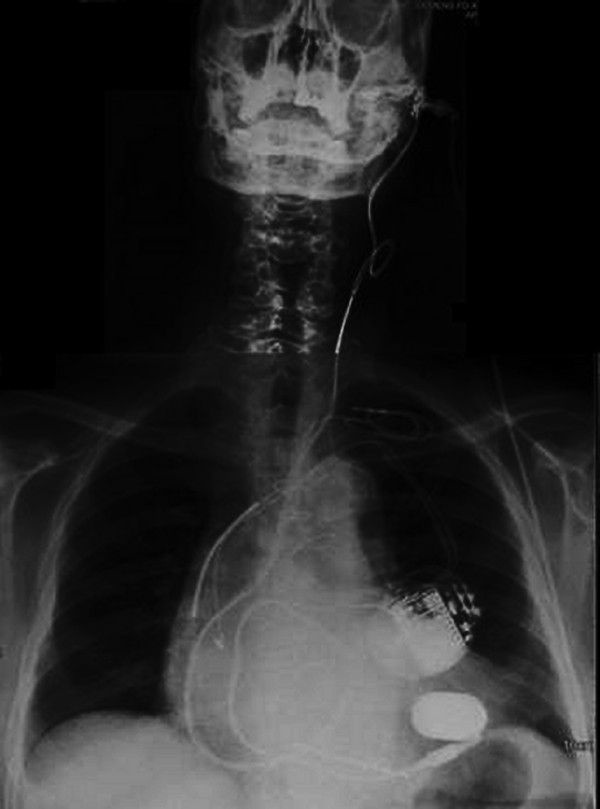
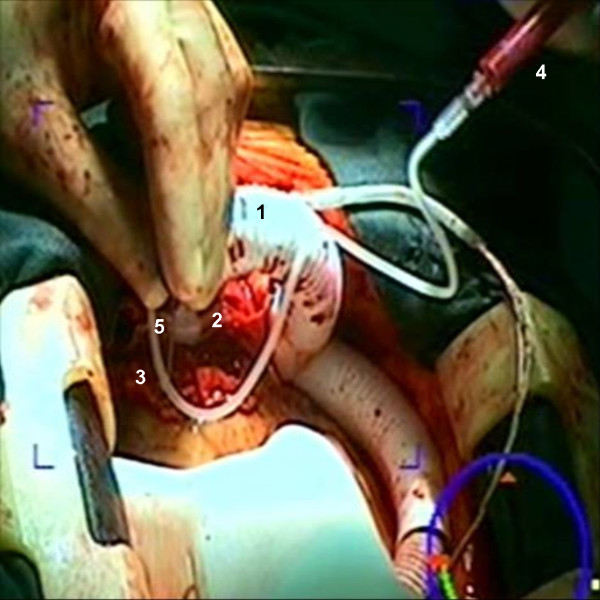
We challenge the hypothesis of enhanced myocardial reperfusion after implanting a left ventricular assist device together with bone marrow mononuclear stem cells in patients with end-stage ischemic cardiomyopathy. Irreversible myocardial loss observed in ischemic cardiomyopathy leads to progressive cardiac remodelling and dysfunction through a complex neurohormonal cascade. New generation assist devices promote myocardial recovery only in patients with dilated or peripartum cardiomyopathy. In the setting of diffuse myocardial ischemia not amenable to revascularization, native myocardial recovery has not been observed after implantation of an assist device as destination therapy. The hybrid approach of implanting autologous bone marrow stem cells during assist device implantation may eventually improve native cardiac function, which may be associated with a better prognosis eventually ameliorating the need for subsequent heart transplantation. The aforementioned hypothesis has to be tested with well-designed prospective multicentre studies.
我们对在终末期缺血性心肌病患者中植入左心室辅助装置并联合骨髓单个核干细胞后增强心肌再灌注的假设提出质疑。缺血性心肌病中观察到的不可逆心肌损失通过复杂的神经激素级联反应导致进行性心脏重构和功能障碍。新一代辅助装置仅在扩张型或围产期心肌病患者中促进心肌恢复。在弥漫性心肌缺血且不适于血运重建的情况下,作为终末期治疗植入辅助装置后并未观察到固有心肌恢复。在辅助装置植入期间植入自体骨髓干细胞的混合方法最终可能改善固有心脏功能,这可能与更好的预后相关,最终减少对随后心脏移植的需求。需要通过精心设计的前瞻性多中心研究来检验上述假设。