Neuroscience Institute, Stanford University School of Medicine, Stanford, CA, USA.
Soc Neurosci. 2011;6(4):398-413. doi: 10.1080/17470919.2011.559363. Epub 2011 Jun 12.
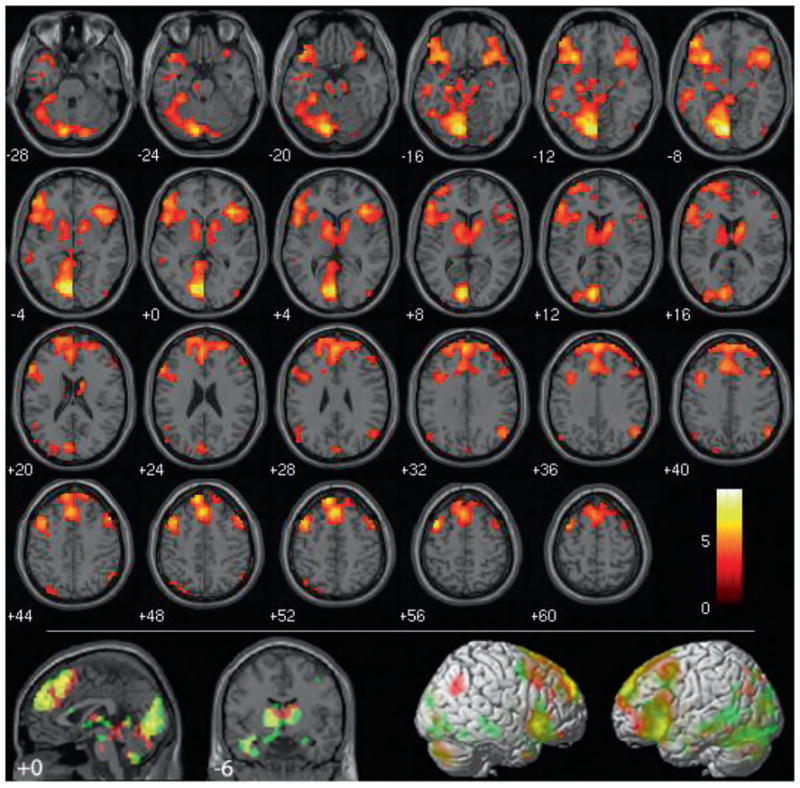
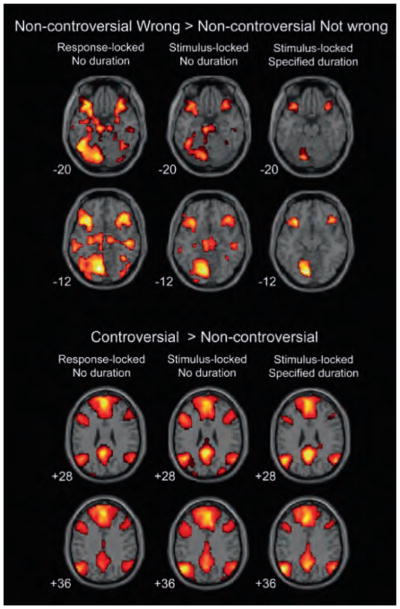
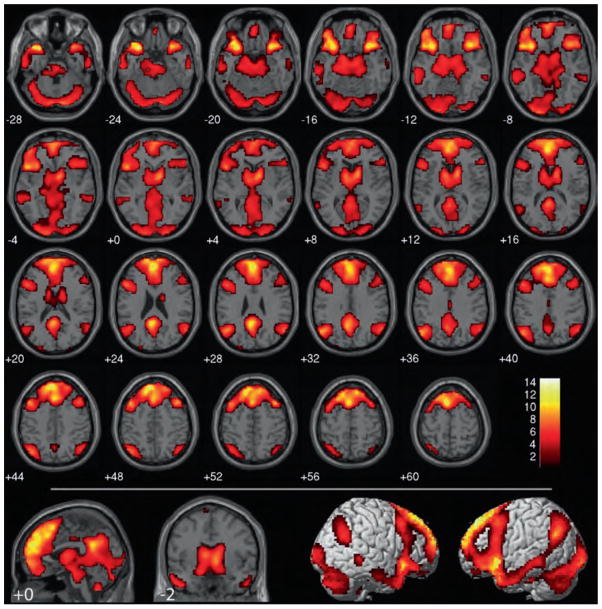
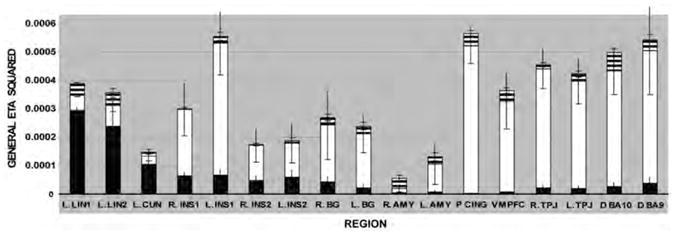
How people judge something to be morally right or wrong is a fundamental question of both the sciences and the humanities. Here we aim to identify the neural processes that underlie the specific conclusion that something is morally wrong. To do this, we introduce a novel distinction between "moral deliberation," or the weighing of moral considerations, and the formation of a "moral verdict," or the commitment to one moral conclusion. We predict and identify hemodynamic activity in the bilateral anterior insula and basal ganglia that correlates with committing to the moral verdict "this is morally wrong" as opposed to "this is morally not-wrong," a finding that is consistent with research from economic decision-making. Using comparisons of deliberation-locked vs. verdict-locked analyses, we also demonstrate that hemodynamic activity in high-level cortical regions previously implicated in morality--including the ventromedial prefrontal cortex, posterior cingulate cortex, and temporoparietal junction--correlates primarily with moral deliberation as opposed to moral verdicts. These findings provide new insights into what types of processes comprise the enterprise of moral judgment, and in doing so point to a framework for resolving why some clinical patients, including psychopaths, may have intact moral judgment but impaired moral behavior.
人们如何判断某件事在道德上是对还是错,这是科学和人文领域的一个基本问题。在这里,我们旨在确定潜在的神经过程,这些过程是人们对某些事情在道德上是错误的这一具体结论的基础。为此,我们引入了一个新的区分,即“道德思考”或对道德因素的权衡,以及“道德判断”的形成,或对一个道德结论的承诺。我们预测并识别出双侧前岛叶和基底神经节的血液动力学活动,这些活动与做出道德判断“这在道德上是错误的”而不是“这在道德上不是错误的”相关,这一发现与经济决策研究一致。通过对思考锁定与判断锁定分析的比较,我们还表明,先前与道德有关的高级皮层区域的血液动力学活动——包括腹内侧前额叶皮层、后扣带回皮层和颞顶联合区——主要与道德思考相关,而不是与道德判断相关。这些发现为道德判断的过程类型提供了新的见解,并为解决为什么一些临床患者,包括精神病患者,可能有健全的道德判断但有受损的道德行为提供了框架。