Kapheim Karen M, Bernal Sandra P, Smith Adam R, Nonacs Peter, Wcislo William T
Behav Ecol Sociobiol. 2011 Jun;65(6):1179-1190. doi: 10.1007/s00265-010-1131-9. Epub 2011 Jan 6.
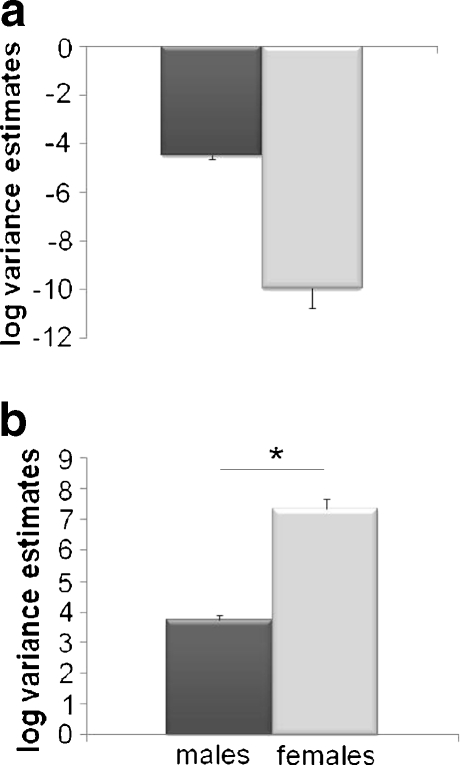
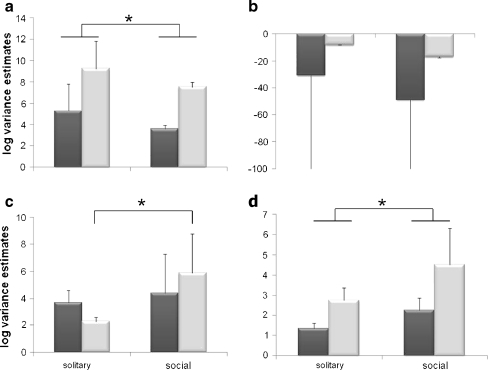
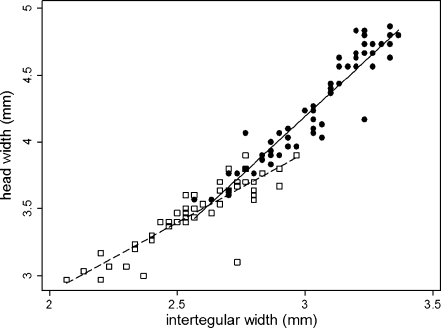
Developmental maternal effects are a potentially important source of phenotypic variation, but they can be difficult to distinguish from other environmental factors. This is an important distinction within the context of social evolution, because if variation in offspring helping behavior is due to maternal manipulation, social selection may act on maternal phenotypes, as well as those of offspring. Factors correlated with social castes have been linked to variation in developmental nutrition, which might provide opportunity for females to manipulate the social behavior of their offspring. Megalopta genalis is a mass-provisioning facultatively eusocial sweat bee for which production of males and females in social and solitary nests is concurrent and asynchronous. Female offspring may become either gynes (reproductive dispersers) or workers (non-reproductive helpers). We predicted that if maternal manipulation plays a role in M. genalis caste determination, investment in daughters should vary more than for sons. The mass and protein content of pollen stores provided to female offspring varied significantly more than those of males, but volume and sugar content did not. Sugar content varied more among female eggs in social nests than in solitary nests. Provisions were larger, with higher nutrient content, for female eggs and in social nests. Adult females and males show different patterns of allometry, and their investment ratio ranged from 1.23 to 1.69. Adult body weight varied more for females than males, possibly reflecting increased variation in maternal investment in female offspring. These differences are consistent with a role for maternal manipulation in the social plasticity observed in M. genalis.
发育母体效应是表型变异的一个潜在重要来源,但它们可能难以与其他环境因素区分开来。在社会进化的背景下,这是一个重要的区别,因为如果后代帮助行为的变异是由于母体操纵,社会选择可能作用于母体表型以及后代的表型。与社会等级相关的因素与发育营养的变异有关,这可能为雌性提供操纵其后代社会行为的机会。大光胸隧蜂是一种大量提供食物的兼性群居汗蜂,在群居和独居巢穴中,雄性和雌性的生产是同时且异步的。雌性后代可能成为雌蜂(生殖性扩散者)或工蜂(非生殖性帮助者)。我们预测,如果母体操纵在大光胸隧蜂的等级决定中起作用,对女儿的投资应该比儿子的变化更大。提供给雌性后代的花粉储存的质量和蛋白质含量的变化明显大于雄性,但体积和糖分含量没有。群居巢穴中雌性卵的糖分含量变化比独居巢穴中的更大。群居巢穴中雌性卵的食物供应更大,营养含量更高。成年雌性和雄性表现出不同的异速生长模式,它们的投资比例在1.23到1.69之间。成年雌性的体重变化比雄性更大,这可能反映了母体对雌性后代投资的变化增加。这些差异与母体操纵在大光胸隧蜂所观察到的社会可塑性中的作用一致。