The Jackson Laboratory, Bar Harbor, ME 04609-1500, USA.
Genes Brain Behav. 2011 Oct;10(7):765-77. doi: 10.1111/j.1601-183X.2011.00717.x. Epub 2011 Aug 3.
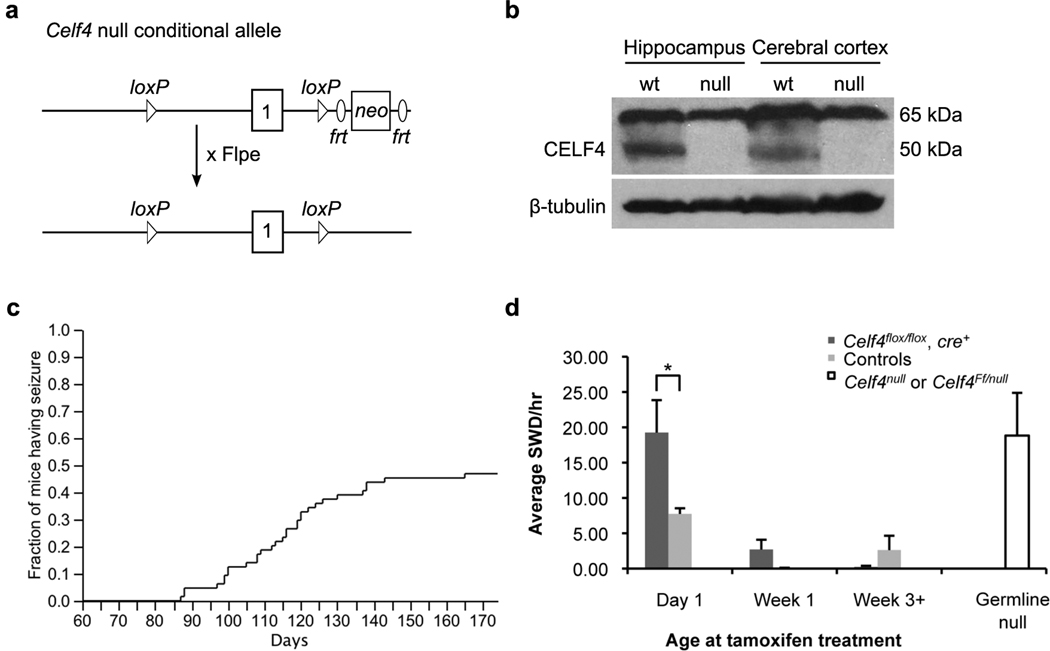
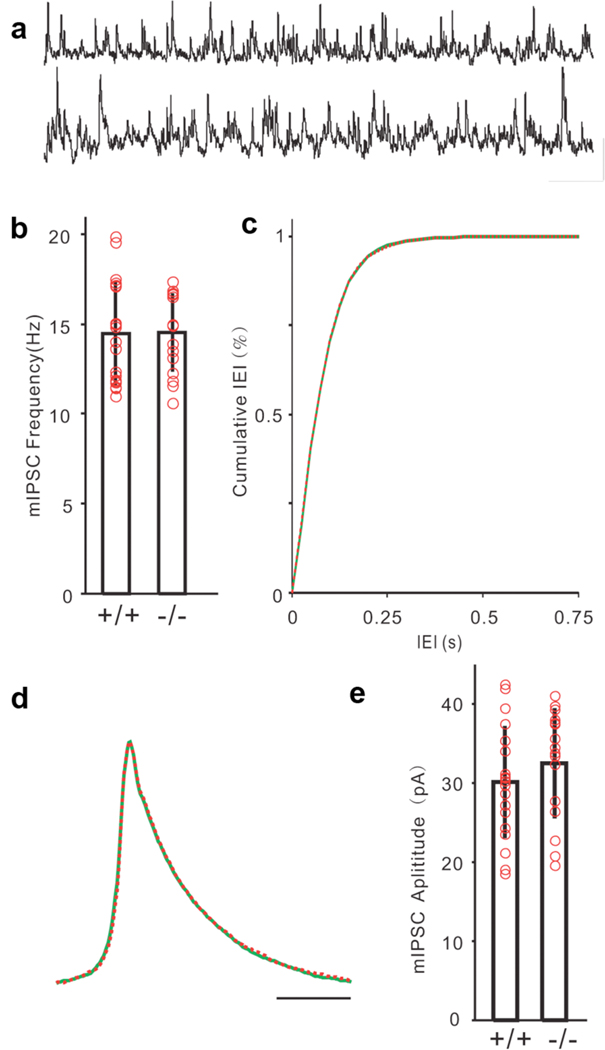
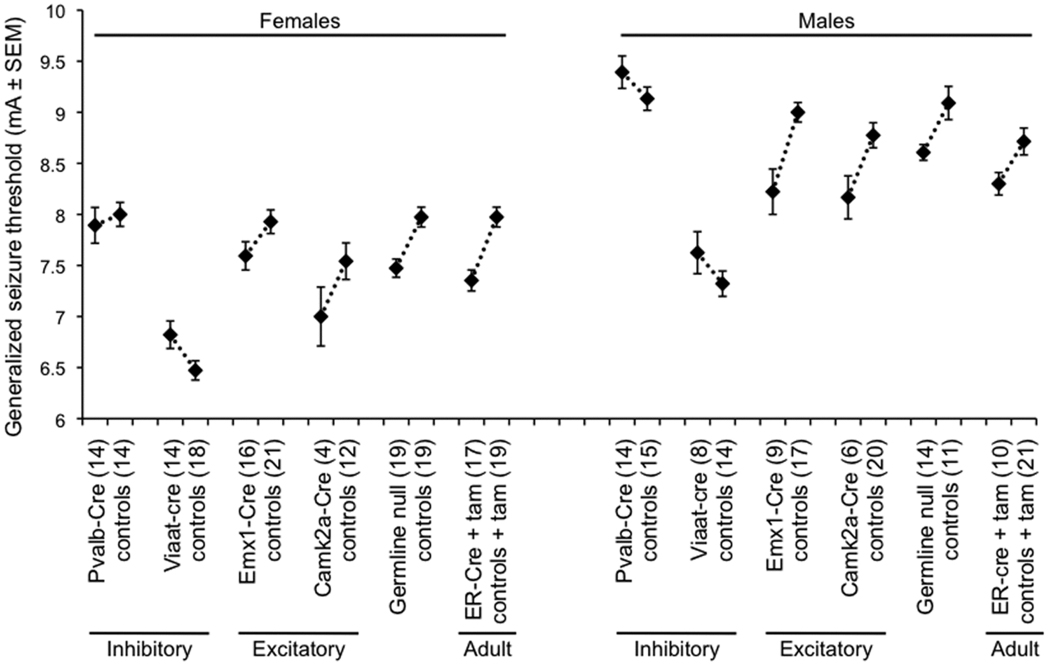
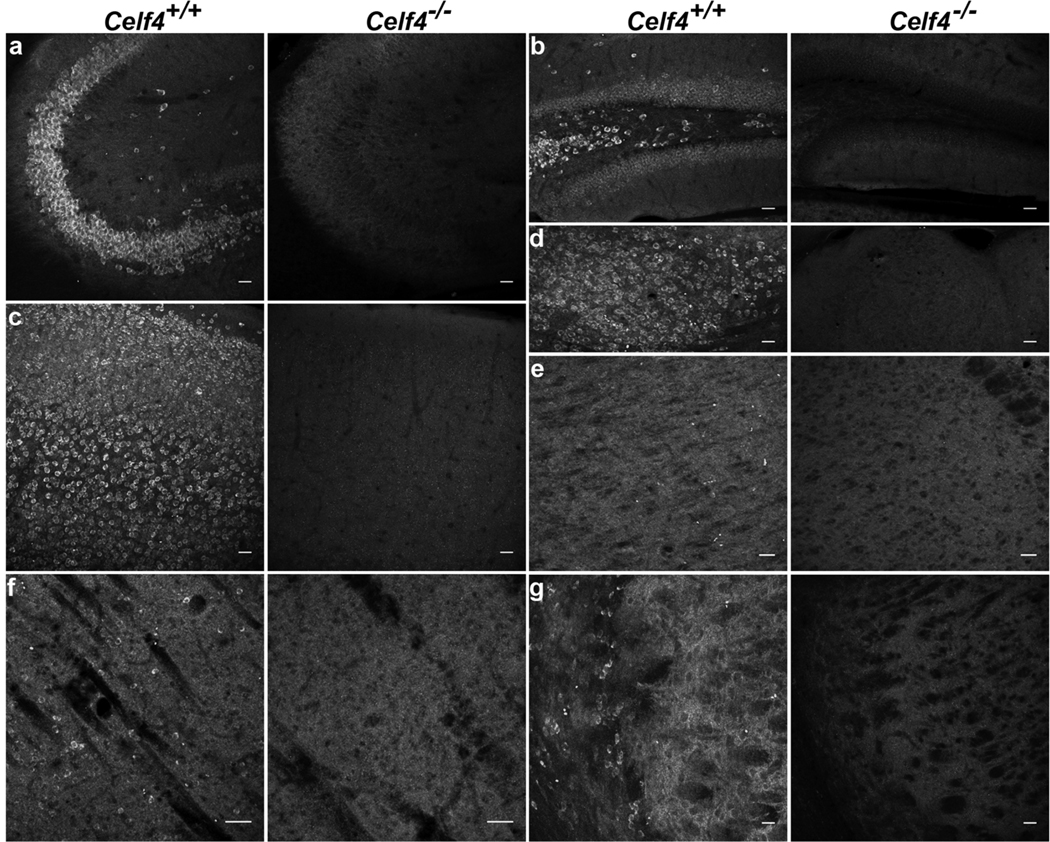
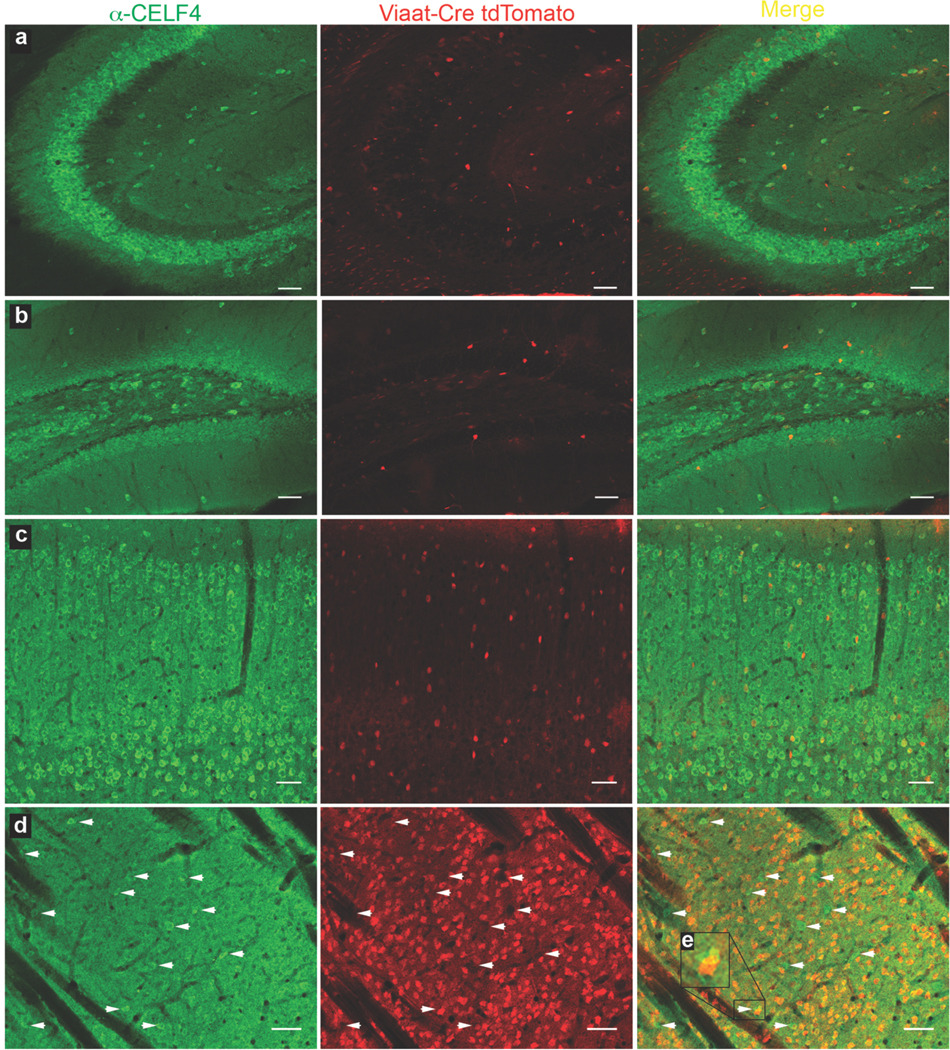
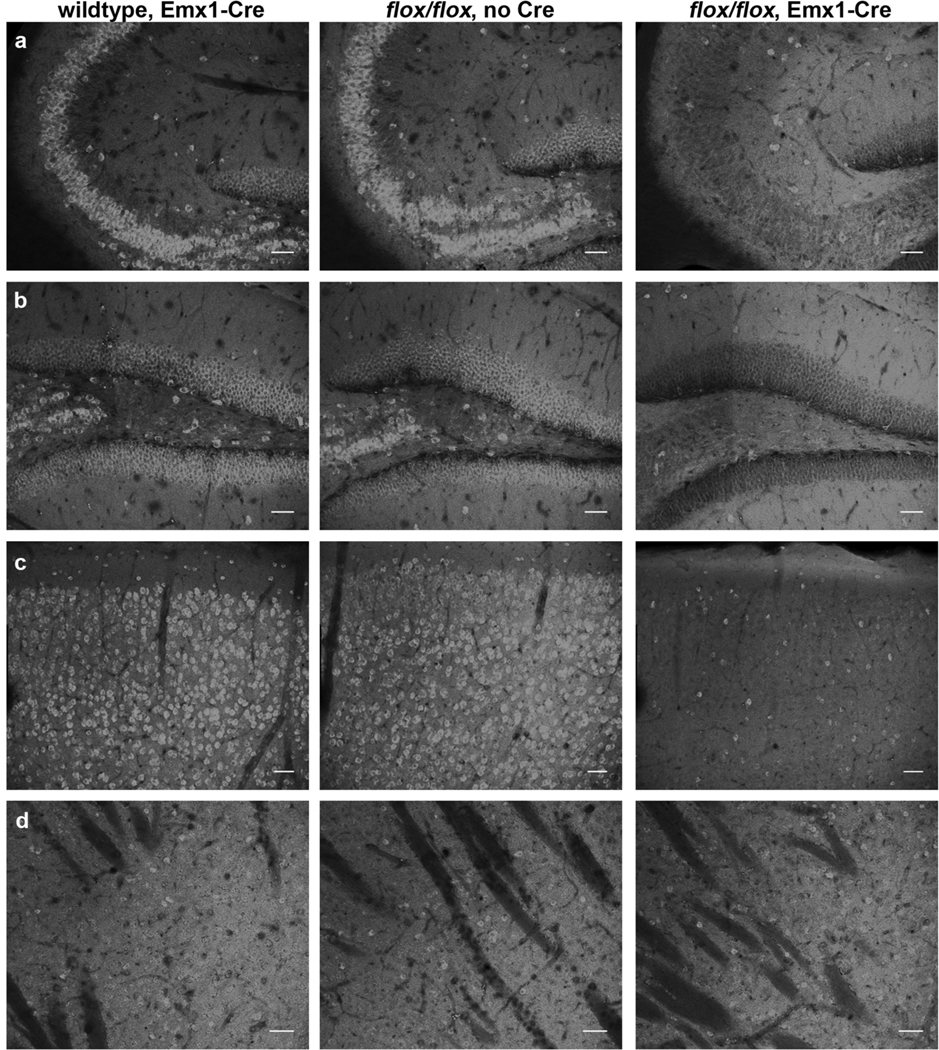
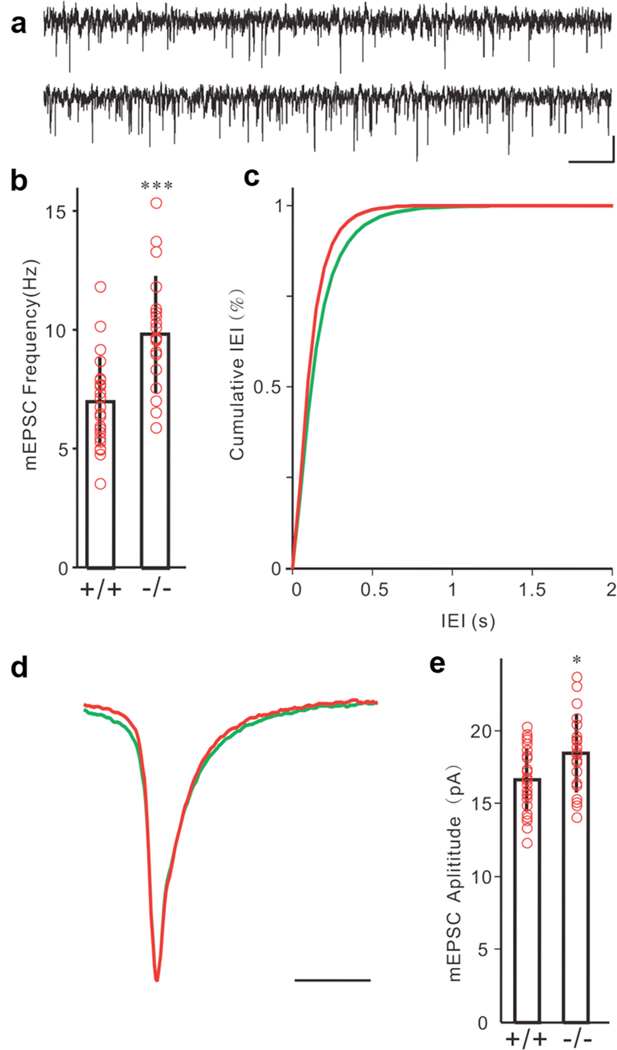
Mice deficient for the gene encoding the RNA-binding protein CELF4 (CUGBP, ELAV-like family member 4) have a complex seizure phenotype that includes both convulsive and non-convulsive seizures, depending upon gene dosage and strain background, modeling genetically complex epilepsy. Invertebrate CELF is associated with translational control in fruit fly ovary epithelium and with neurogenesis and neuronal function in the nematode. Mammalian CELF4 is expressed widely during early development, but is restricted to the central nervous system in adults. To better understand the etiology of the seizure disorder of Celf4 deficient mice, we studied seizure incidence with spatial and temporal conditional knockout Celf4 alleles. For convulsive seizure phenotypes, it is sufficient to delete Celf4 in adulthood at the age of 7 weeks. This timing is in contrast to absence-like non-convulsive seizures, which require deletion before the end of the first postnatal week. Interestingly, selective deletion of Celf4 from cerebral cortex and hippocampus excitatory neurons, but not from inhibitory neurons, is sufficient to lower seizure threshold and to promote spontaneous convulsions. Correspondingly, Celf4 deficient mice have altered excitatory, but not inhibitory, neurotransmission as measured by patch-clamp recordings of cortical layer V pyramidal neurons. Finally, immunostaining in conjunction with an inhibitory neuron-specific reporter shows that CELF4 is expressed predominantly in excitatory neurons. Our results suggest that CELF4 plays a specific role in regulating excitatory neurotransmission. We posit that altered excitatory neurotransmission resulting from Celf4 deficiency underlies the complex seizure disorder in Celf4 mutant mice.
CELF4 基因编码的 RNA 结合蛋白缺失的小鼠表现出复杂的癫痫发作表型,包括惊厥性和非惊厥性癫痫发作,这取决于基因剂量和品系背景,可模拟遗传复杂性癫痫。无脊椎动物 CELF 与果蝇卵巢上皮细胞的翻译控制以及线虫中的神经发生和神经元功能有关。哺乳动物 CELF4 在早期发育过程中广泛表达,但在成年期仅限于中枢神经系统。为了更好地理解 Celf4 缺失小鼠癫痫发作障碍的病因,我们使用时空条件性 Celf4 等位基因研究了癫痫发作的发生率。对于惊厥性癫痫发作表型,仅在成年后(7 周龄时)删除 Celf4 就足够了。这一时间与类似失神的非惊厥性癫痫发作形成对比,后者需要在出生后第一周结束前删除。有趣的是,选择性地从大脑皮层和海马兴奋性神经元中删除 Celf4,但不删除抑制性神经元,足以降低癫痫发作阈值并促进自发性惊厥。相应地,Celf4 缺失小鼠表现出改变的兴奋性神经传递,但不改变抑制性神经传递,这可以通过皮层 V 层锥体神经元的膜片钳记录来测量。最后,免疫染色结合抑制性神经元特异性报告基因显示 CELF4 主要在兴奋性神经元中表达。我们的结果表明,CELF4 在调节兴奋性神经传递中发挥特定作用。我们假设,Celf4 缺失导致的兴奋性神经传递改变是 Celf4 突变小鼠复杂癫痫发作障碍的基础。