Université Paris Descartes, Rhumatologie A, INSERM, U1016, Hôpital Cochin, APHP, Paris, France.
PLoS Genet. 2011 Jul;7(7):e1002091. doi: 10.1371/journal.pgen.1002091. Epub 2011 Jul 7.
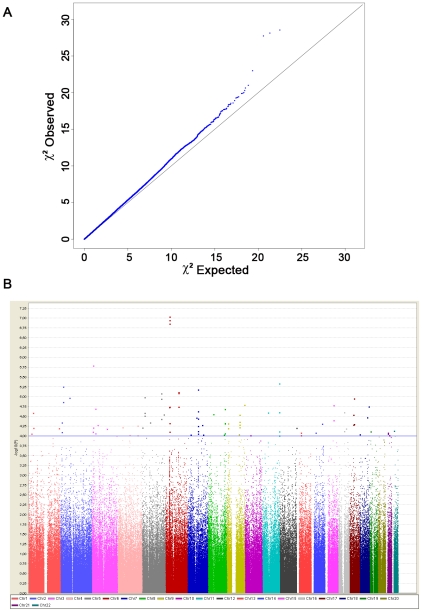
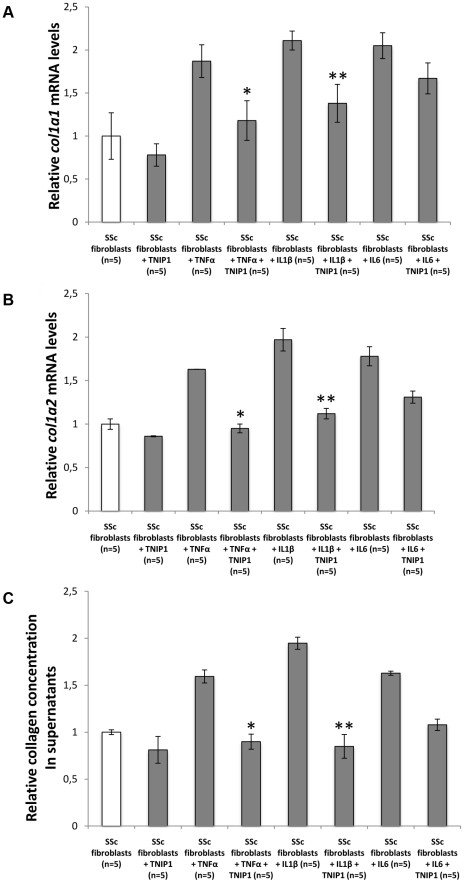
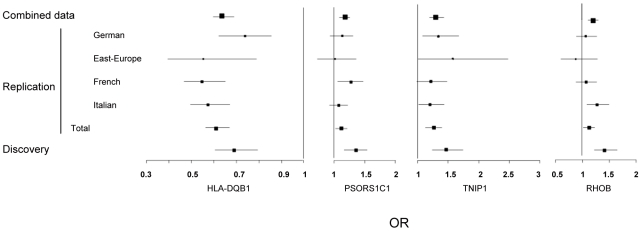
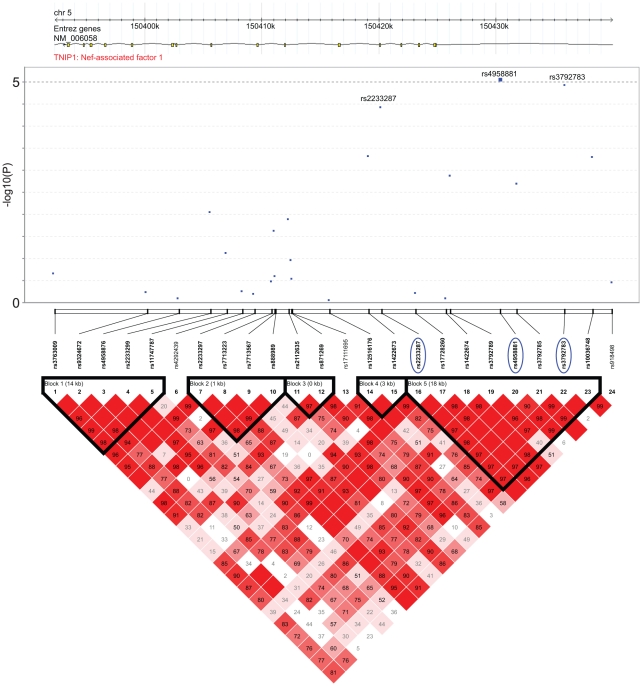
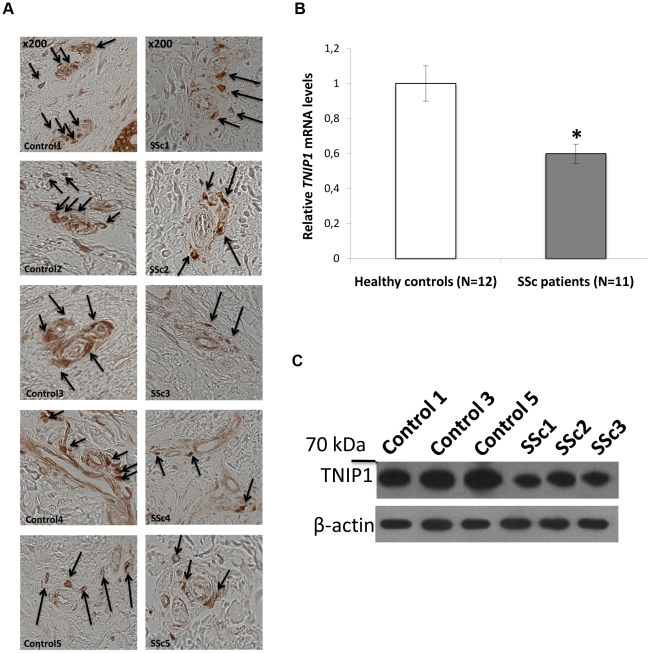
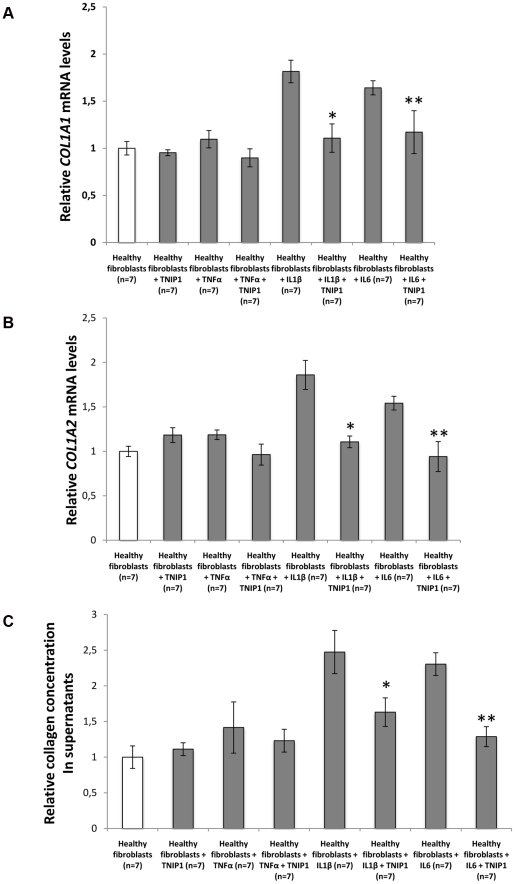
Systemic sclerosis (SSc) is an orphan, complex, inflammatory disease affecting the immune system and connective tissue. SSc stands out as a severely incapacitating and life-threatening inflammatory rheumatic disease, with a largely unknown pathogenesis. We have designed a two-stage genome-wide association study of SSc using case-control samples from France, Italy, Germany, and Northern Europe. The initial genome-wide scan was conducted in a French post quality-control sample of 564 cases and 1,776 controls, using almost 500 K SNPs. Two SNPs from the MHC region, together with the 6 loci outside MHC having at least one SNP with a P<10(-5) were selected for follow-up analysis. These markers were genotyped in a post-QC replication sample of 1,682 SSc cases and 3,926 controls. The three top SNPs are in strong linkage disequilibrium and located on 6p21, in the HLA-DQB1 gene: rs9275224, P = 9.18×10(-8), OR = 0.69, 95% CI [0.60-0.79]; rs6457617, P = 1.14×10(-7) and rs9275245, P = 1.39×10(-7). Within the MHC region, the next most associated SNP (rs3130573, P = 1.86×10(-5), OR = 1.36 [1.18-1.56]) is located in the PSORS1C1 gene. Outside the MHC region, our GWAS analysis revealed 7 top SNPs (P<10(-5)) that spanned 6 independent genomic regions. Follow-up of the 17 top SNPs in an independent sample of 1,682 SSc and 3,926 controls showed associations at PSORS1C1 (overall P = 5.70×10(-10), OR:1.25), TNIP1 (P = 4.68×10(-9), OR:1.31), and RHOB loci (P = 3.17×10(-6), OR:1.21). Because of its biological relevance, and previous reports of genetic association at this locus with connective tissue disorders, we investigated TNIP1 expression. A markedly reduced expression of the TNIP1 gene and also its protein product were observed both in lesional skin tissue and in cultured dermal fibroblasts from SSc patients. Furthermore, TNIP1 showed in vitro inhibitory effects on inflammatory cytokine-induced collagen production. The genetic signal of association with TNIP1 variants, together with tissular and cellular investigations, suggests that this pathway has a critical role in regulating autoimmunity and SSc pathogenesis.
系统性硬化症(SSc)是一种孤儿病,是一种复杂的炎症性疾病,影响免疫系统和结缔组织。SSc 是一种严重致残和危及生命的炎症性风湿病,其发病机制在很大程度上尚不清楚。我们使用来自法国、意大利、德国和北欧的病例对照样本设计了一项 SSc 的两阶段全基因组关联研究。在法国的一个经过质量控制的 564 例病例和 1776 例对照的初步全基因组扫描中,使用了近 500 K SNPs。两个 MHC 区域中的 SNP,以及 MHC 区域外至少有一个 SNP 的 P<10(-5) 的 6 个位点,被选中进行后续分析。这些标记在一个经过质量控制的 1682 例 SSc 病例和 3926 例对照的复制样本中进行了基因分型。三个最高的 SNP 处于强烈的连锁不平衡状态,位于 6p21 上的 HLA-DQB1 基因中:rs9275224,P=9.18×10(-8),OR=0.69,95%CI [0.60-0.79];rs6457617,P=1.14×10(-7)和 rs9275245,P=1.39×10(-7)。在 MHC 区域内,下一个最相关的 SNP(rs3130573,P=1.86×10(-5),OR=1.36 [1.18-1.56])位于 PSORS1C1 基因中。在 MHC 区域外,我们的 GWAS 分析揭示了 7 个最高 SNP(P<10(-5)),跨越 6 个独立的基因组区域。在一个由 1682 例 SSc 和 3926 例对照组成的独立样本中对 17 个最高 SNP 的随访显示,PSORS1C1 总体关联(P=5.70×10(-10),OR:1.25),TNIP1(P=4.68×10(-9),OR:1.31)和 RHOB 位点(P=3.17×10(-6),OR:1.21)。由于其生物学意义,以及先前报道的该基因座与结缔组织疾病的遗传关联,我们研究了 TNIP1 的表达。在 SSc 患者的皮损皮肤组织和培养的真皮成纤维细胞中,都观察到 TNIP1 基因及其蛋白产物的表达明显减少。此外,TNIP1 在体外对炎性细胞因子诱导的胶原产生具有抑制作用。与 TNIP1 变体相关的遗传信号,以及组织和细胞研究表明,该途径在调节自身免疫和 SSc 发病机制中具有关键作用。