Revilleza Maria Jamela, Wang Rui, Mans Janet, Hong Manqing, Natarajan Kannan, Margulies David H
Molecular Biology Section, Laboratory of Immunology, NIAID, National Institutes of Health, Bethesda, MD 20892-1892, USA.
J Biomed Biotechnol. 2011;2011:724607. doi: 10.1155/2011/724607. Epub 2011 Jun 30.
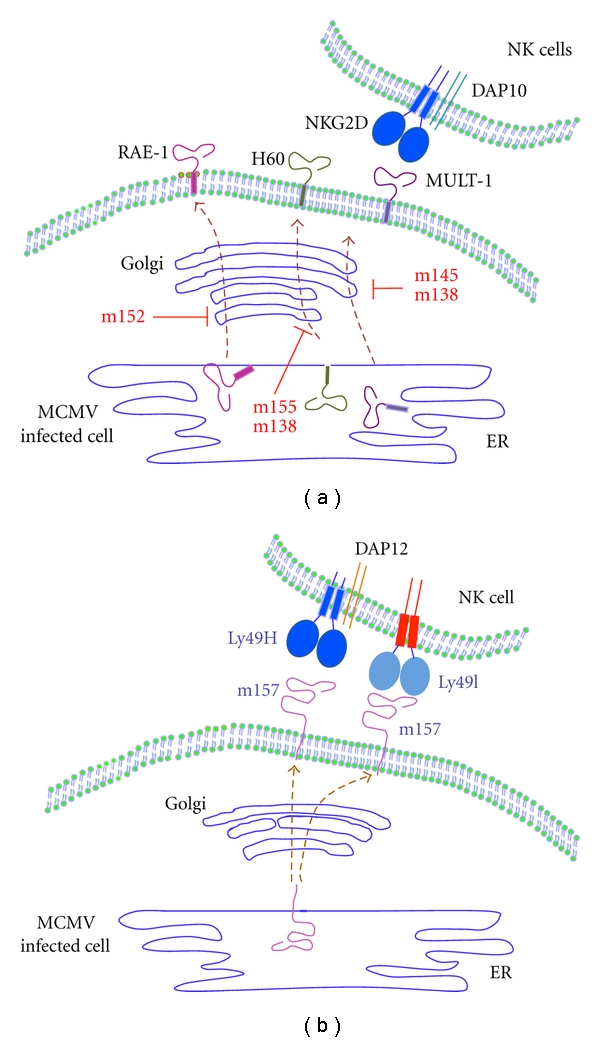
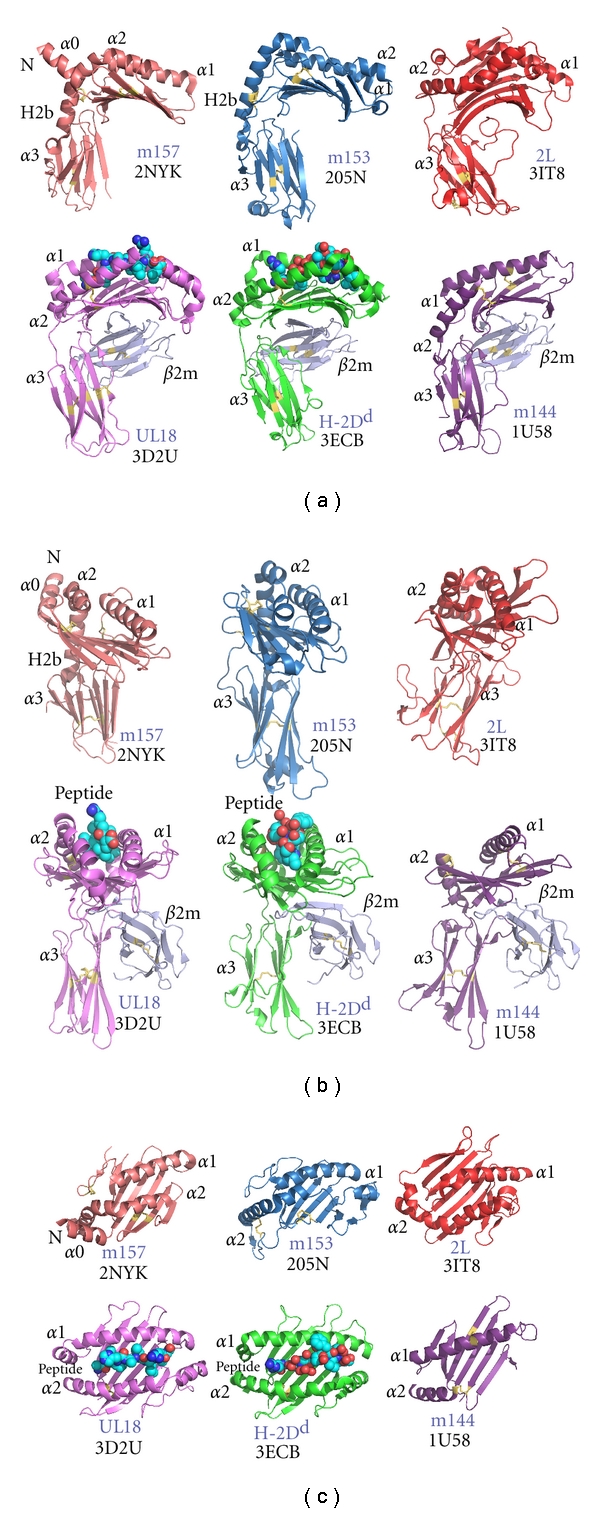
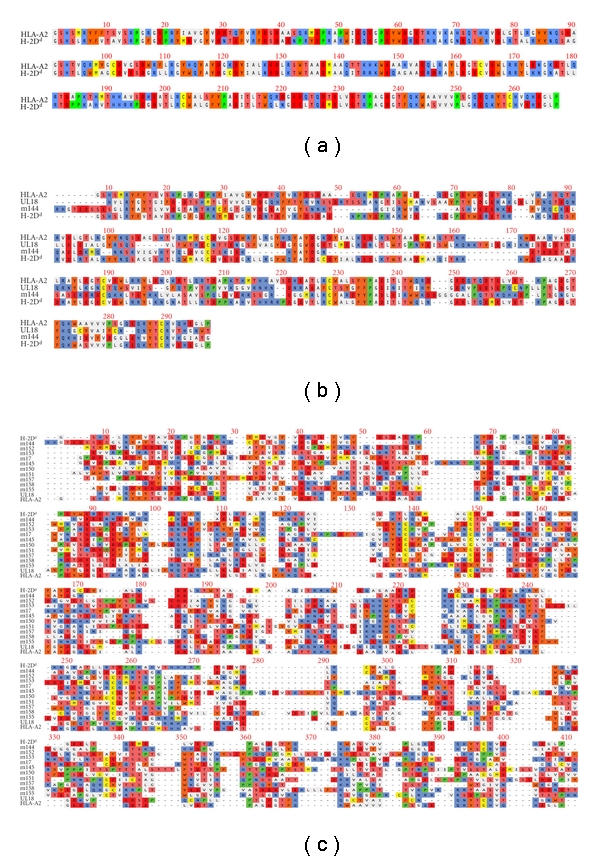
Natural killer (NK) cells provide an initial host immune response to infection by many viral pathogens. Consequently, the viruses have evolved mechanisms to attenuate the host response, leading to improved viral fitness. One mechanism employed by members of the β-herpesvirus family, which includes the cytomegaloviruses, is to modulate the expression of cell surface ligands recognized by NK cell activation molecules. A novel set of cytomegalovirus (CMV) genes, exemplified by the mouse m145 family, encode molecules that have structural and functional features similar to those of host major histocompatibility-encoded (MHC) class I molecules, some of which are known to contribute to immune evasion. In this review, we explore the function, structure, and evolution of MHC-I-like molecules of the CMVs and speculate on the dynamic development of novel immunoevasive functions based on the MHC-I protein fold.
自然杀伤(NK)细胞对多种病毒病原体感染提供初始宿主免疫反应。因此,病毒进化出了减弱宿主反应的机制,从而提高病毒适应性。β-疱疹病毒家族成员(包括巨细胞病毒)采用的一种机制是调节NK细胞激活分子识别的细胞表面配体的表达。一组新的巨细胞病毒(CMV)基因,以小鼠m145家族为例,编码的分子具有与宿主主要组织相容性编码(MHC)I类分子相似的结构和功能特征,其中一些已知有助于免疫逃避。在本综述中,我们探讨了CMV的MHC-I样分子的功能、结构和进化,并基于MHC-I蛋白折叠推测了新型免疫逃避功能的动态发展。