Department of Biochemistry and Molecular Genetics, IBS, George Washington University, Washington DC, USA.
Skelet Muscle. 2011 May 4;1(1):20. doi: 10.1186/2044-5040-1-20.
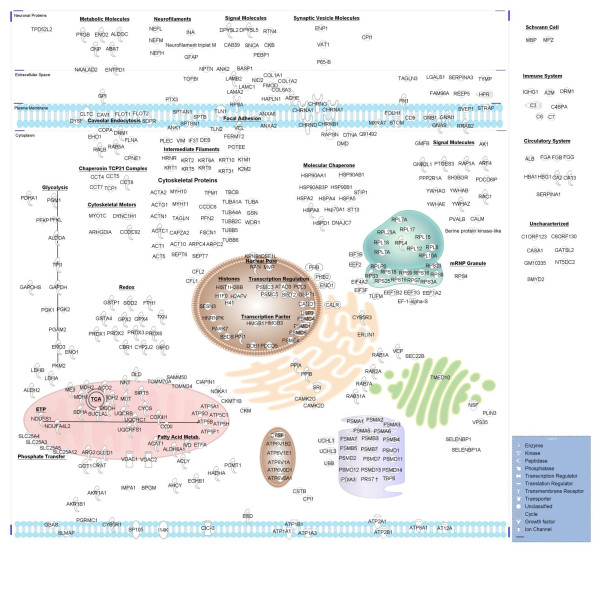
During development, the branchial mesoderm of Torpedo californica transdifferentiates into an electric organ capable of generating high voltage discharges to stun fish. The organ contains a high density of cholinergic synapses and has served as a biochemical model for the membrane specialization of myofibers, the neuromuscular junction (NMJ). We studied the genome and proteome of the electric organ to gain insight into its composition, to determine if there is concordance with skeletal muscle and the NMJ, and to identify novel synaptic proteins.
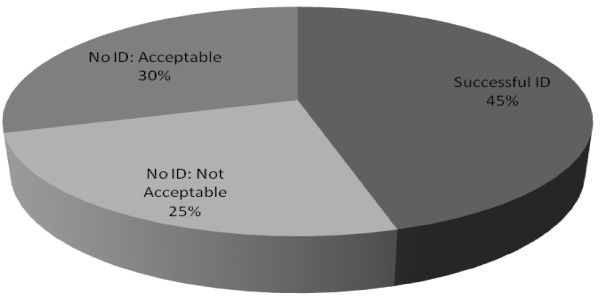
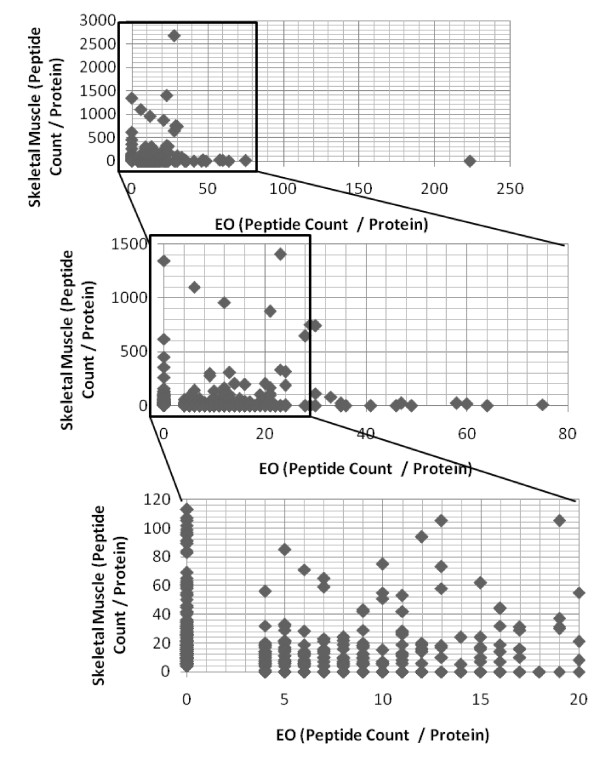
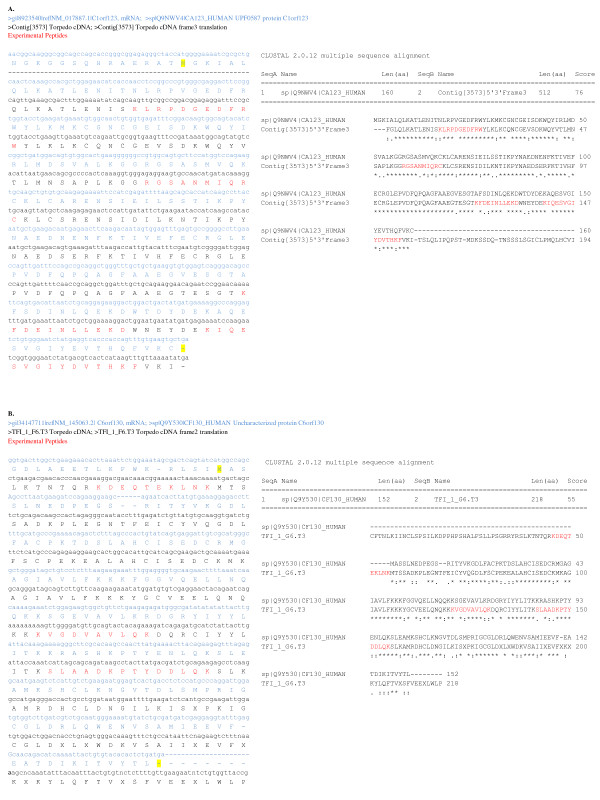
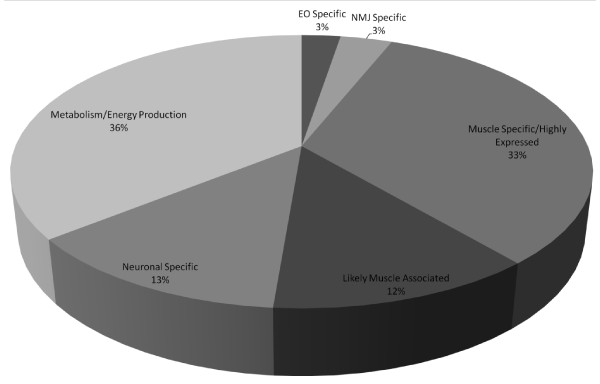
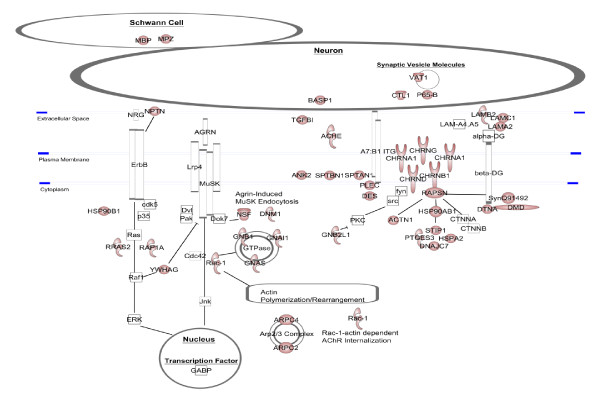
Of 435 proteins identified, 300 mapped to Torpedo cDNA sequences with ≥2 peptides. We identified 14 uncharacterized proteins in the electric organ that are known to play a role in acetylcholine receptor clustering or signal transduction. In addition, two human open reading frames, C1orf123 and C6orf130, showed high sequence similarity to electric organ proteins. Our profile lists several proteins that are highly expressed in skeletal muscle or are muscle specific. Synaptic proteins such as acetylcholinesterase, acetylcholine receptor subunits, and rapsyn were present in the electric organ proteome but absent in the skeletal muscle proteome.
Our integrated genomic and proteomic analysis supports research describing a muscle-like profile of the organ. We show that it is a repository of NMJ proteins but we present limitations on its use as a comprehensive model of the NMJ. Finally, we identified several proteins that may become candidates for signaling proteins not previously characterized as components of the NMJ.
在发育过程中,加利福尼亚电鳐的鳃中胚层转分化为一个能够产生高压放电以电击鱼类的电器官。该器官含有高密度的胆碱能突触,并且一直是肌纤维、神经肌肉接点(NMJ)的膜特化的生化模型。我们研究了电器官的基因组和蛋白质组,以深入了解其组成,确定其与骨骼肌和 NMJ 是否一致,并鉴定新的突触蛋白。
在鉴定的 435 种蛋白质中,有 300 种与 Torpedo cDNA 序列具有≥2 个肽段的匹配。我们在电器官中鉴定出 14 种未被表征的蛋白质,这些蛋白质已知在乙酰胆碱受体聚集或信号转导中发挥作用。此外,两个人类开放阅读框 C1orf123 和 C6orf130 与电器官蛋白具有高度相似的序列。我们的图谱列出了几种在骨骼肌中高度表达或具有肌肉特异性的蛋白质。乙酰胆碱酯酶、乙酰胆碱受体亚基和 rapsyn 等突触蛋白存在于电器官蛋白质组中,但不存在于骨骼肌蛋白质组中。
我们的综合基因组和蛋白质组分析支持描述该器官具有肌肉样特征的研究。我们表明,它是 NMJ 蛋白的储存库,但我们对其作为 NMJ 综合模型的使用提出了限制。最后,我们鉴定出几种可能成为先前未被表征为 NMJ 组成部分的信号蛋白候选物的蛋白质。