Haruta Asuka, Matsushita Yasuyuki, Tsukiyama Yoshihiro, Sawae Yoshinori, Sakai Nobuo, Koyano Kiyoshi
Division of Oral Rehabilitation, Faculty of Dental Science, Kyushu University, 3-1-1 Maidashi, Higashi-ku, Fukuoka 812-8582, Japan.
J Dent Biomech. 2011;2011:894395. doi: 10.4061/2011/894395. Epub 2011 May 26.
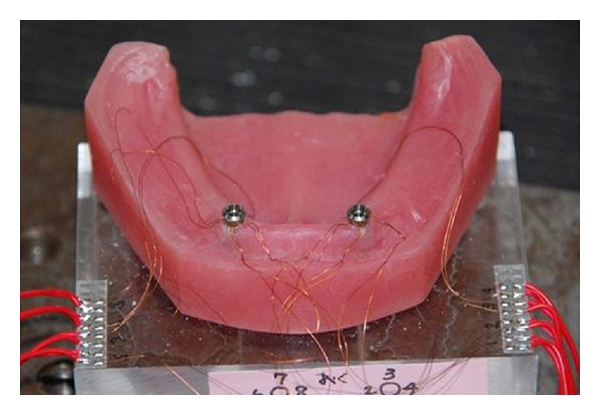
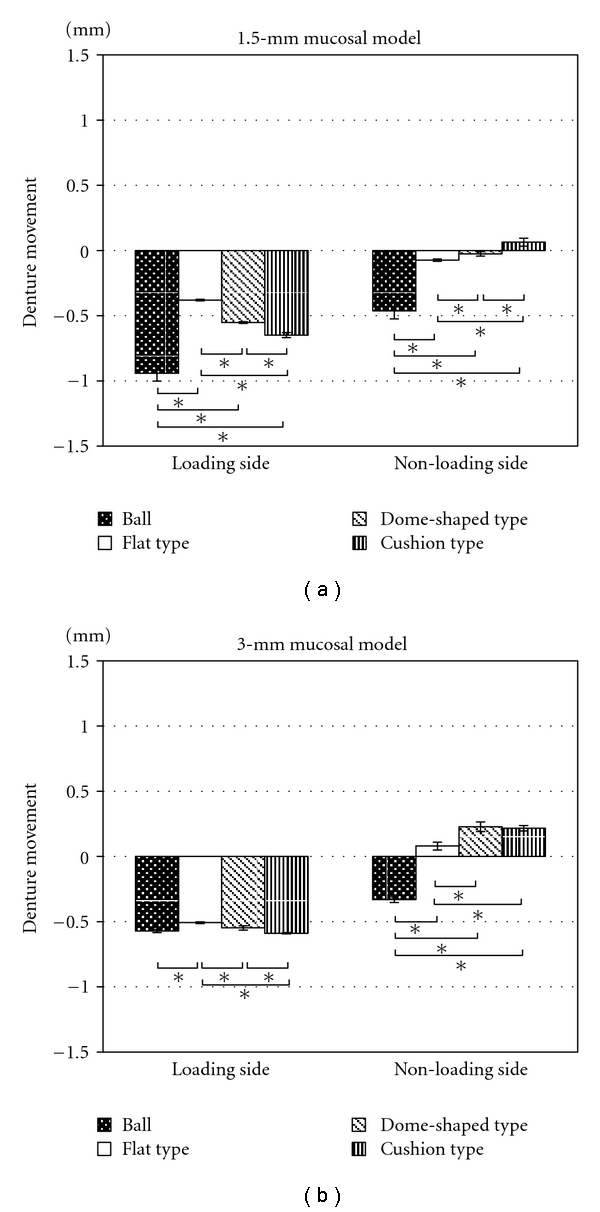
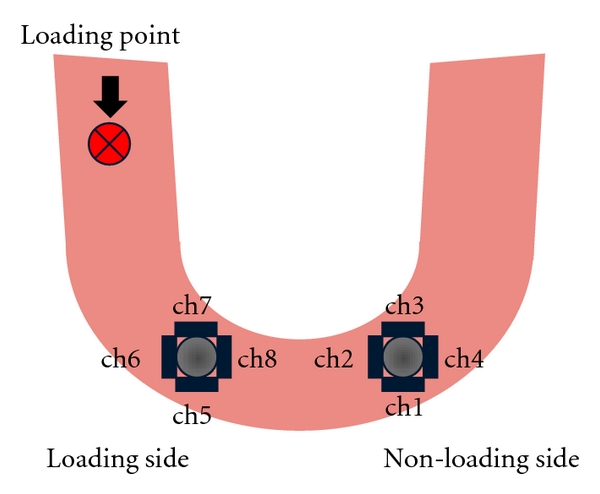
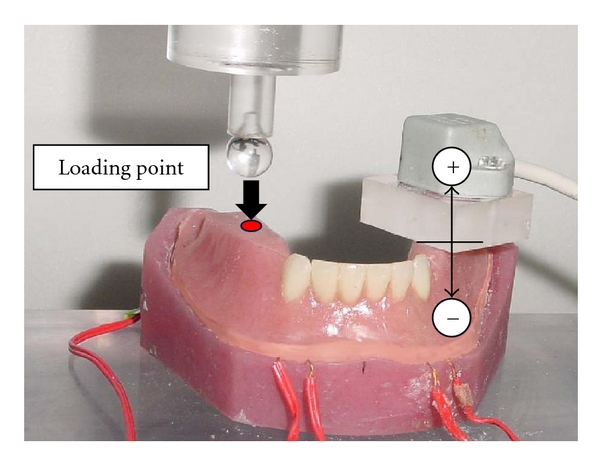
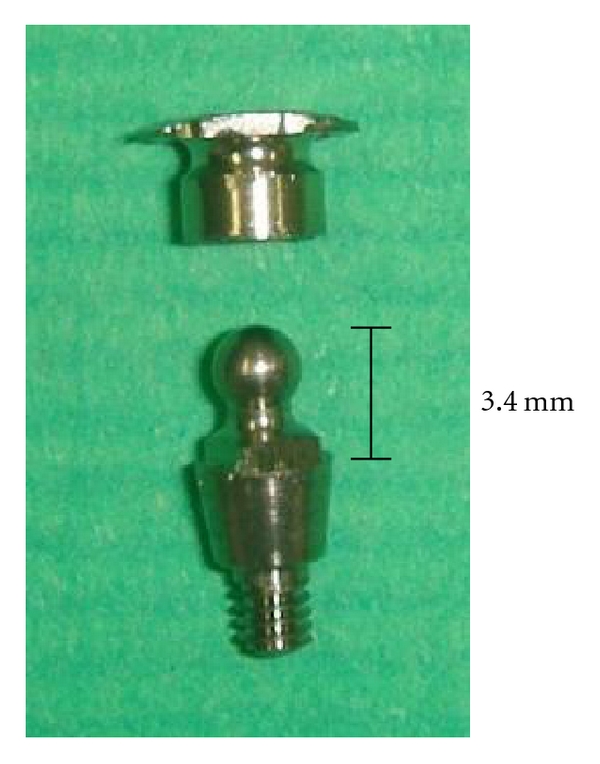
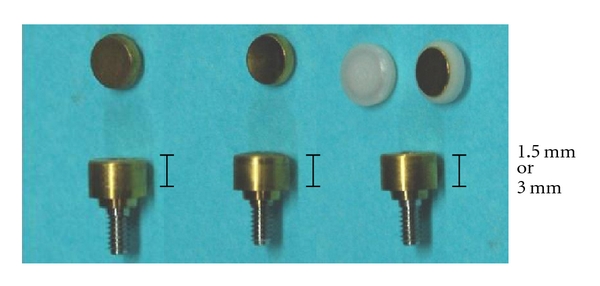
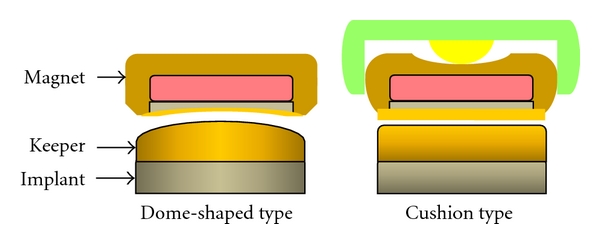
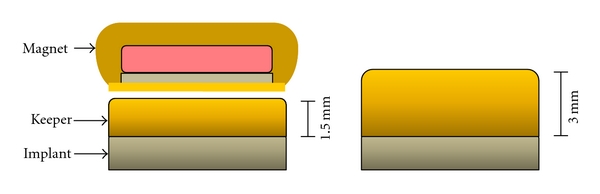
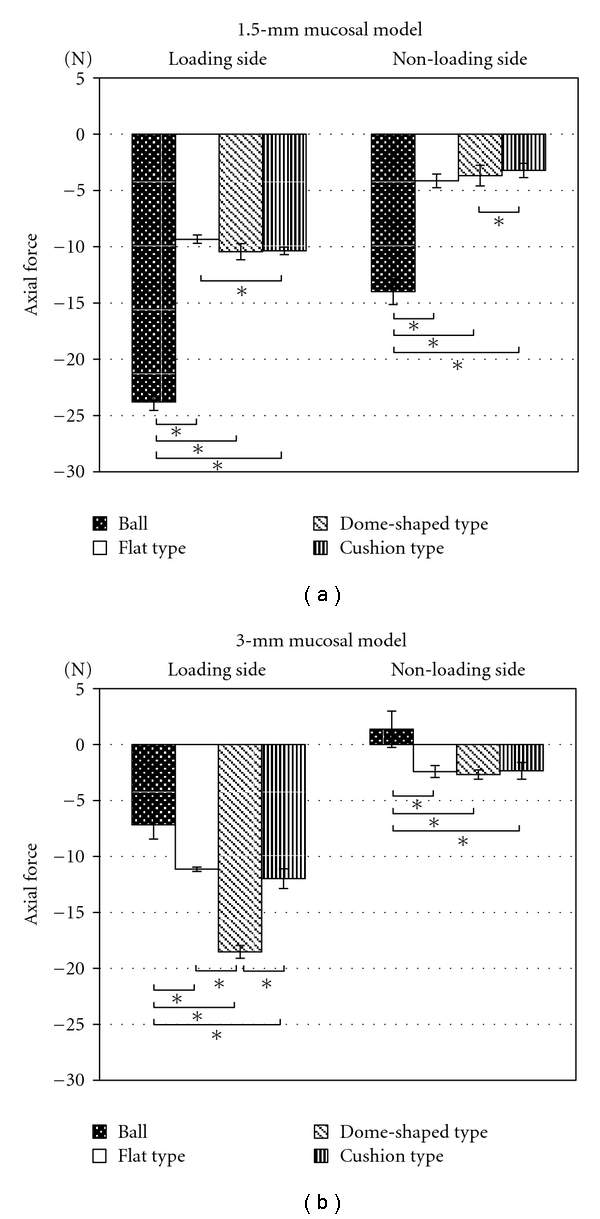
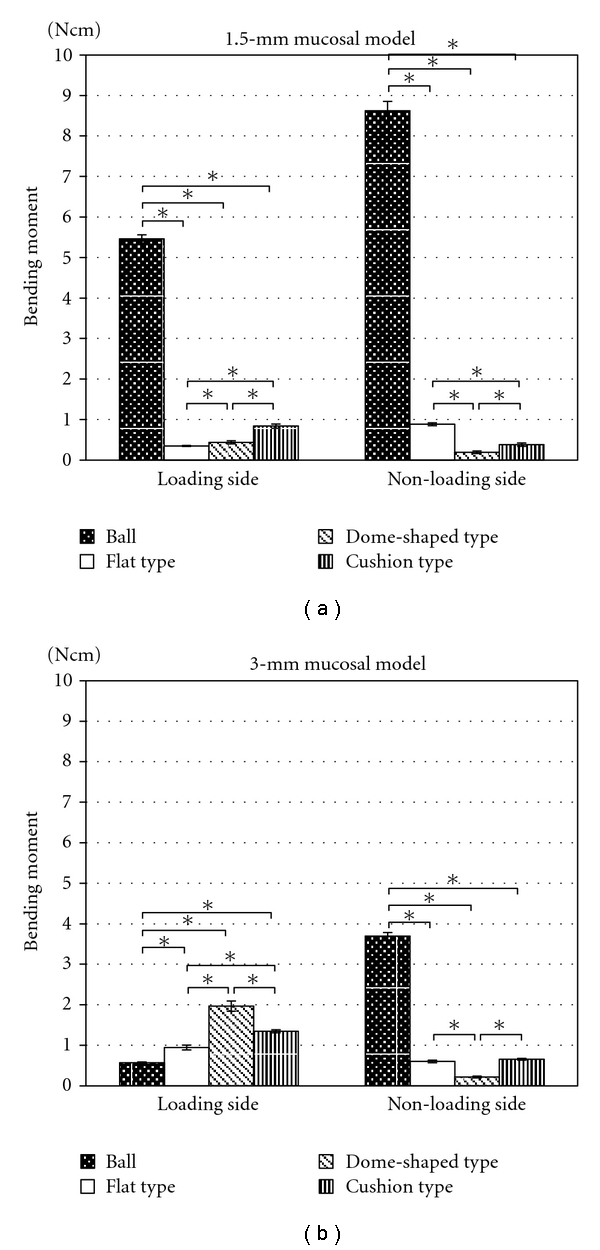
The aim of this study was to compare the effects of mucosal thickness on the stress pattern around implants and movement of implant-supported overdentures with ball/female and three different types of magnetic attachments. After insertion of two root-form implants into a mandibular model, the surface of the model was covered with a 1.5- or 3-mm layer of impression material to simulate the oral mucosa, and removable overdentures were fabricated on each model. A 50-N vertical force was applied to the right first molar, and the resultant stress distribution and denture movement were measured. In the 1.5-mm mucosal model, the magnetic attachments showed significantly lower bending moments than did the ball attachment. The denture base displacement was the lowest on a magnetic attachment. In this study, use of magnetic attachments could be advantageous for mandibular implant-supported overdentures based on lower stress and better denture stability especially in the thin mucosal model.
本研究的目的是比较黏膜厚度对种植体周围应力模式以及采用球/凹型和三种不同类型磁性附着体的种植体支持覆盖义齿移动的影响。在下颌模型中植入两颗根形种植体后,在模型表面覆盖1.5毫米或3毫米厚的印模材料以模拟口腔黏膜,并在每个模型上制作可摘覆盖义齿。在右侧第一磨牙上施加50牛的垂直力,并测量由此产生的应力分布和义齿移动情况。在1.5毫米黏膜模型中,磁性附着体的弯矩显著低于球型附着体。磁性附着体上的义齿基托位移最小。在本研究中,尤其是在薄黏膜模型中,基于较低的应力和更好的义齿稳定性,使用磁性附着体对下颌种植体支持覆盖义齿可能是有利的。