Department of Mechanical and Industrial Engineering and Institute of Biomaterials and Biomedical Engineering, University of Toronto, Toronto, Ontario, Canada.
PLoS One. 2011;6(7):e21687. doi: 10.1371/journal.pone.0021687. Epub 2011 Jul 20.
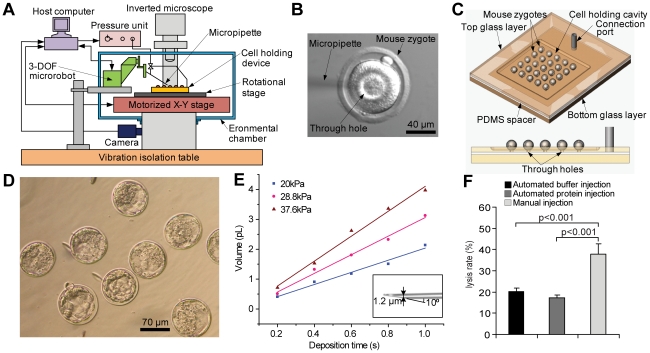
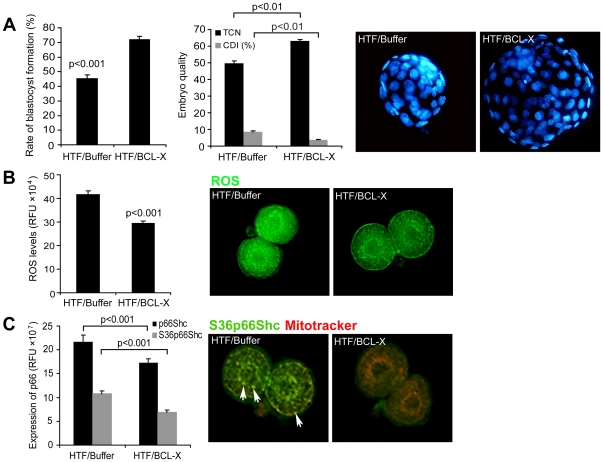
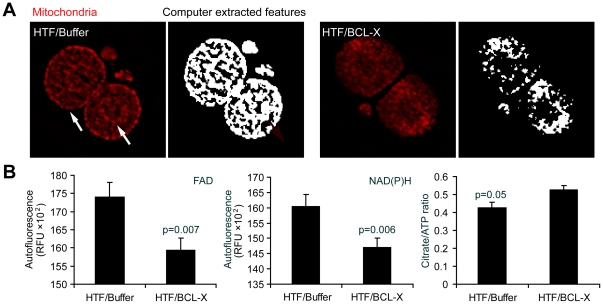
Progression of fertilized mammalian oocytes through cleavage, blastocyst formation and implantation depends on successful implementation of the developmental program, which becomes established during oogenesis. The identification of ooplasmic factors, which are responsible for successful embryo development, is thus crucial in designing possible molecular therapies for infertility intervention. However, systematic evaluation of molecular targets has been hampered by the lack of techniques for efficient delivery of molecules into embryos. We have developed an automated robotic microinjection system for delivering cell impermeable compounds into preimplantation embryos with a high post-injection survival rate. In this paper, we report the performance of the system on microinjection of mouse embryos. Furthermore, using this system we provide the first evidence that recombinant BCL-XL (recBCL-XL) protein is effective in preventing early embryo arrest imposed by suboptimal culture environment. We demonstrate that microinjection of recBCL-XL protein into early-stage embryos repairs mitochondrial bioenergetics, prevents reactive oxygen species (ROS) accumulation, and enhances preimplantation embryo development. This approach may lead to a possible treatment option for patients with repeated in vitro fertilization (IVF) failure due to poor embryo quality.
哺乳动物受精卵通过卵裂、囊胚形成和着床的进展取决于胚胎发生过程中成功实施发育程序。因此,鉴定负责胚胎成功发育的卵质因子对于设计不孕干预的可能分子疗法至关重要。然而,由于缺乏将分子有效递送到胚胎中的技术,对分子靶标的系统评估受到了阻碍。我们已经开发了一种自动化机器人微注射系统,用于将细胞不可渗透的化合物递送到具有高注射后存活率的着床前胚胎中。在本文中,我们报告了该系统在小鼠胚胎微注射中的性能。此外,使用该系统,我们首次提供了证据表明重组 BCL-XL(recBCL-XL)蛋白可有效防止因培养环境不佳导致的早期胚胎阻滞。我们证明,将 recBCL-XL 蛋白微注射到早期胚胎中可修复线粒体生物能学,防止活性氧 (ROS) 积累,并增强着床前胚胎的发育。这种方法可能为因胚胎质量差而导致体外受精 (IVF) 反复失败的患者提供一种可能的治疗选择。