Laboratory of Molecular Biology, Center for Cancer Research, and Pediatric Oncology Branch, National Cancer Institute, NIH, Bethesda, Maryland, USA.
Clin Cancer Res. 2011 Sep 15;17(18):5926-34. doi: 10.1158/1078-0432.CCR-11-1235. Epub 2011 Aug 3.
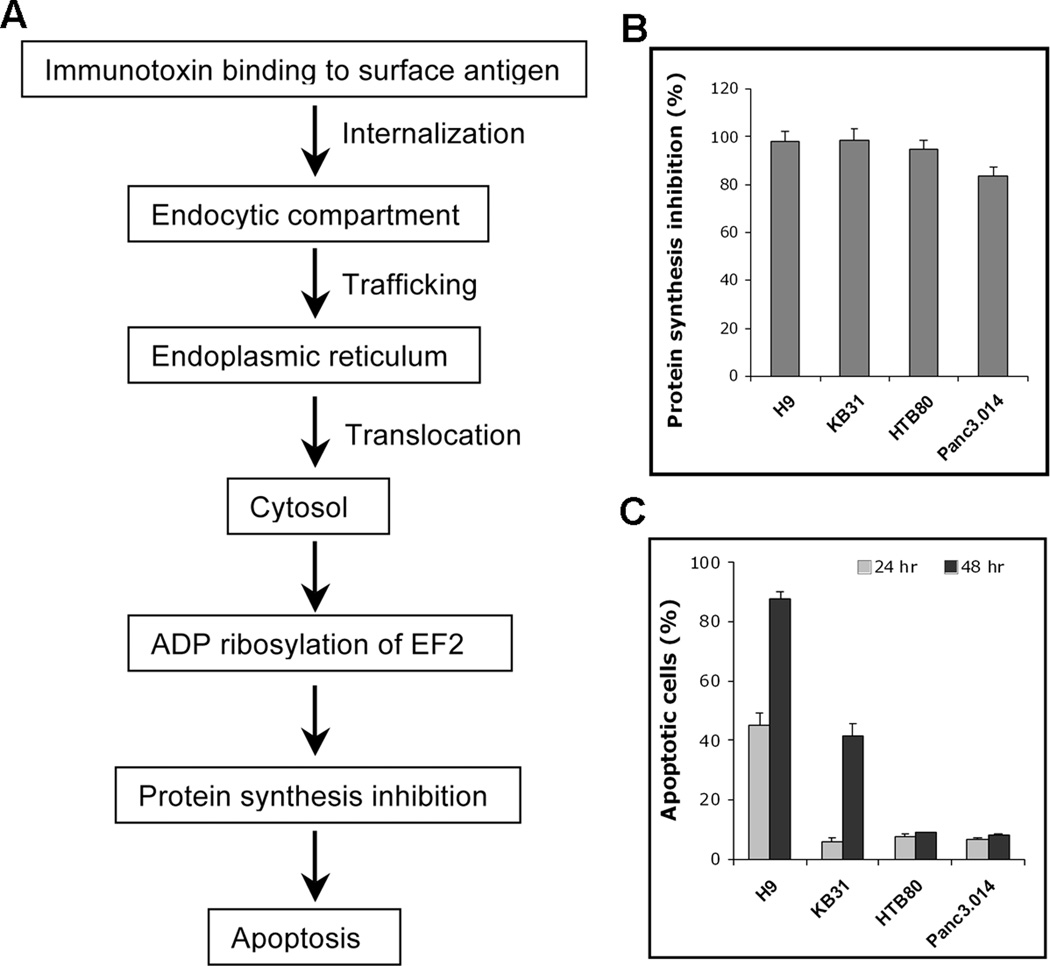
Many solid tumors express cell surface mesothelin making them attractive targets for antibody-based therapies of cancer. SS1P [antimesothelin(Fv)PE38] is a recombinant immunotoxin (RIT) that has potent cytotoxic activity on several cancer cell lines and clinical activity in mesothelioma patients. Pancreatic cancers express mesothelin and are known to be resistant to most chemotherapeutic agents. The goal of this study is to treat pancreatic cancer with RIT by targeting mesothelin.
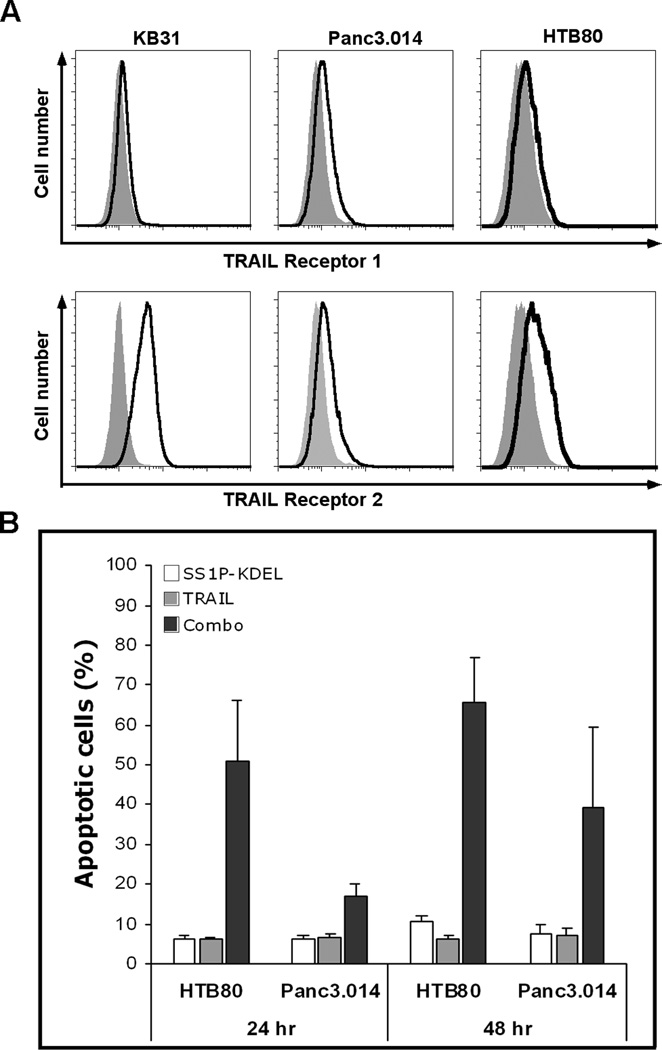
We measured the cytotoxic activity of an antimesothelin immunotoxin on pancreatic cancer cells. We also measured the levels of several pro- and antiapoptotic proteins, as well as the ability of TNF-related apoptosis-inducing ligand (TRAIL) or the anti-TRAIL receptor 2 agonist antibody (HGS-ETR2) to kill pancreatic cells, and the cytotoxic activity of the two agents together in cell culture and against tumors in mice.
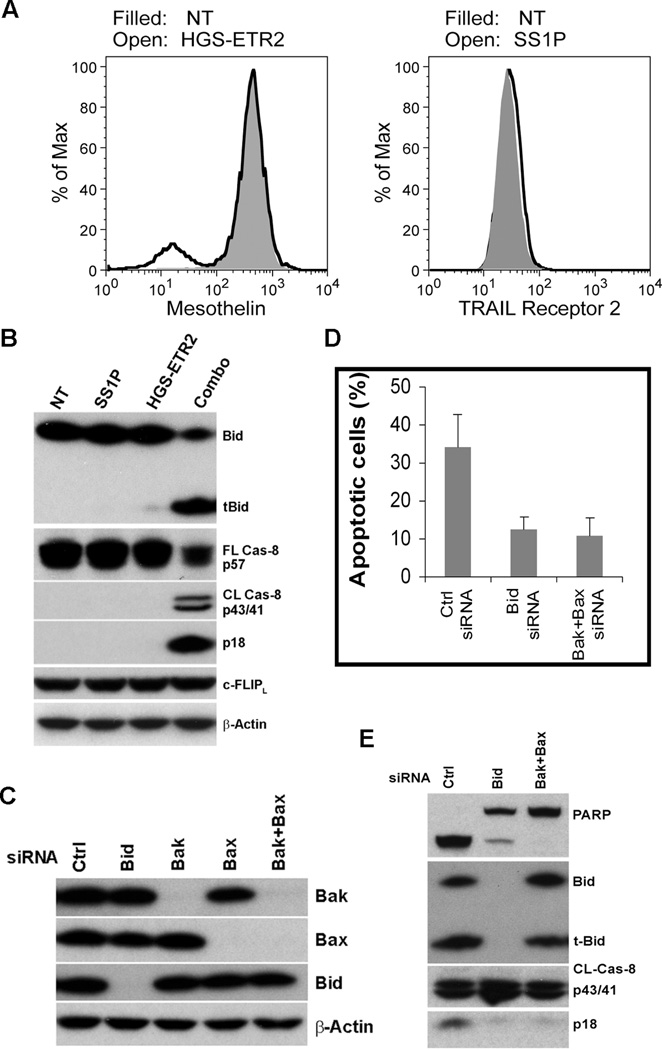
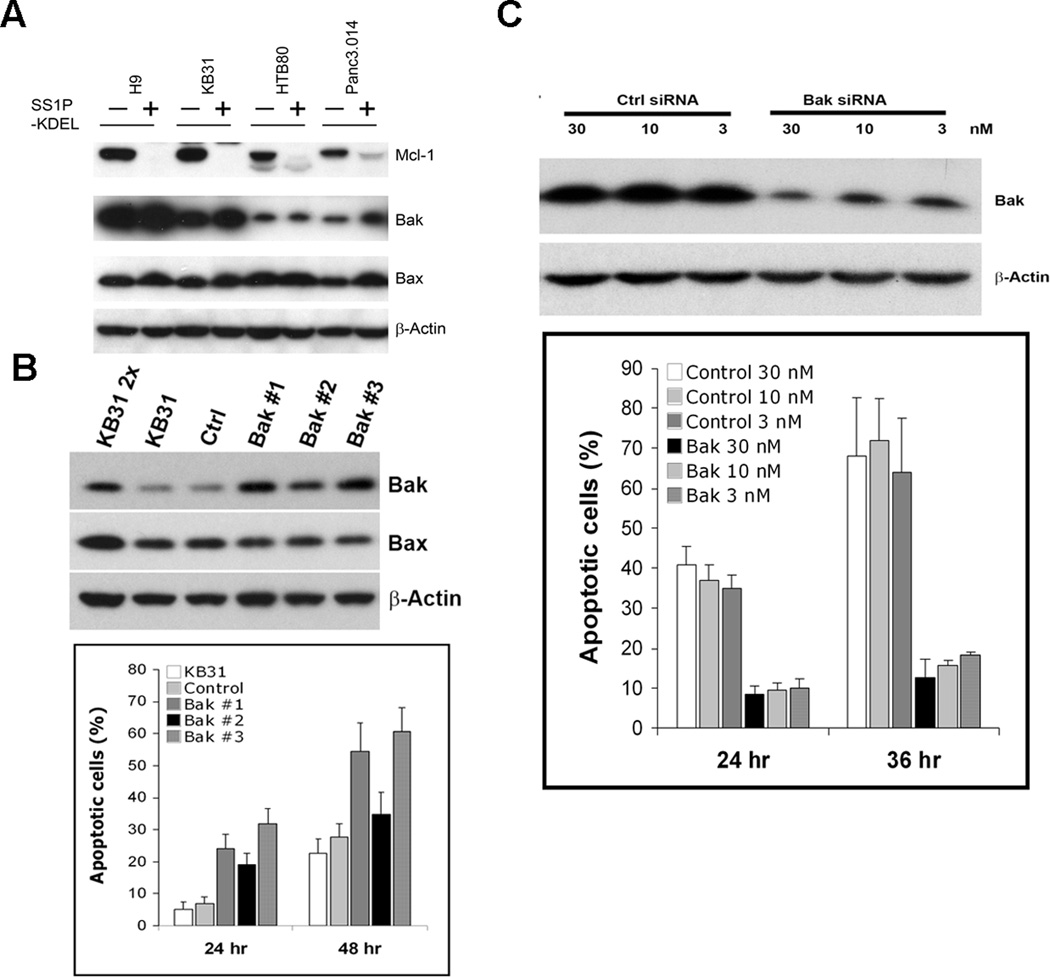
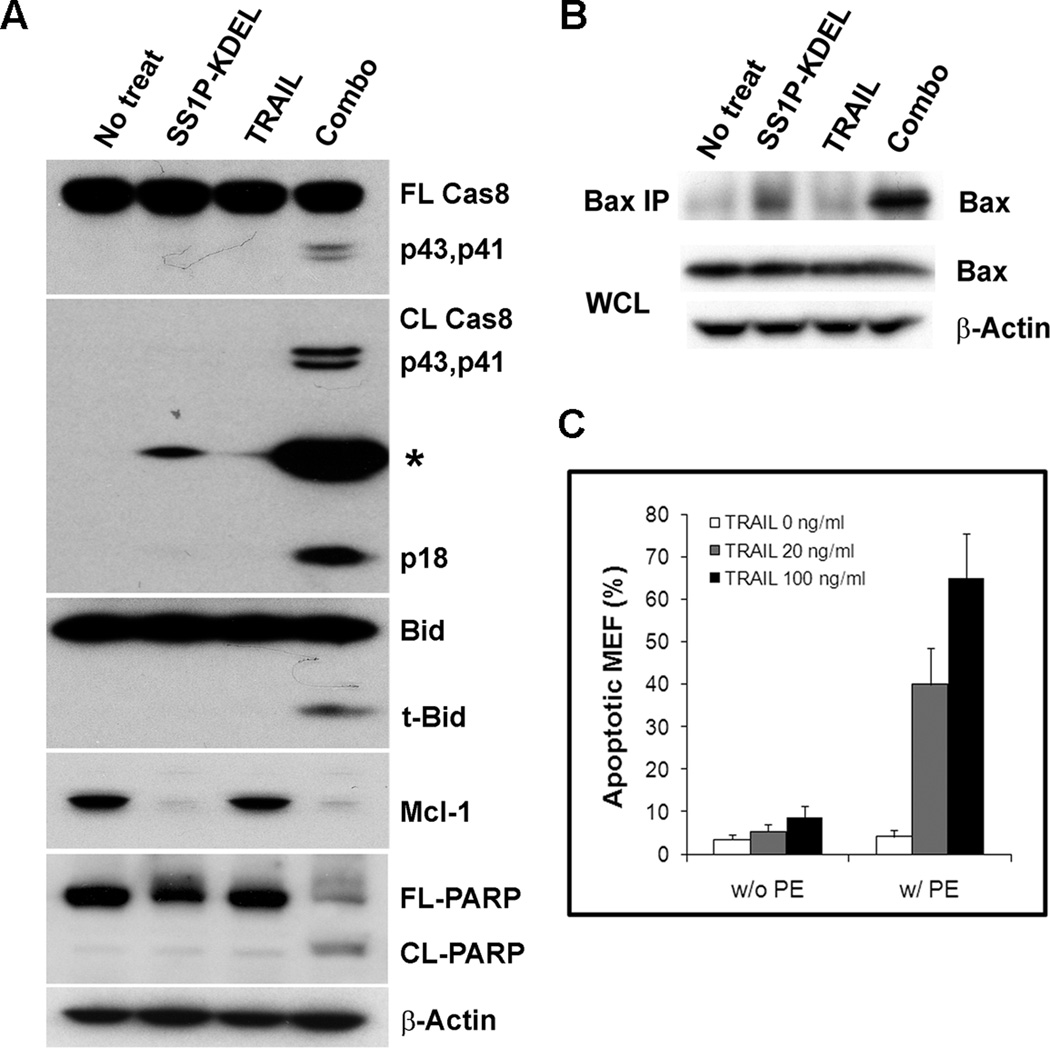
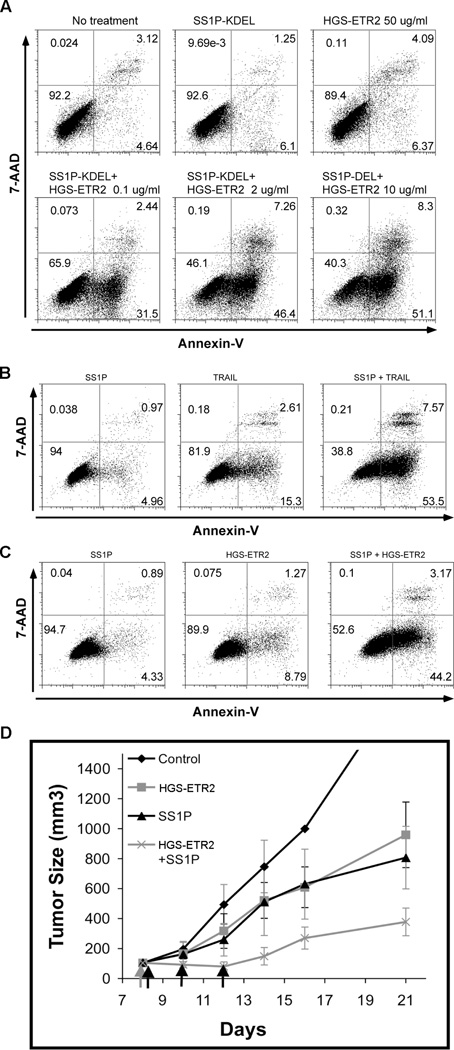
In two pancreatic cancer cell lines, immunotoxin treatment inhibited protein synthesis but did not produce significant cell death. The resistant lines had low levels of the proapoptotic protein Bak. Increasing Bak expression enhanced the sensitivity to immunotoxins, whereas Bak knockdown diminished it. We also found that combining immunotoxin with TRAIL or HGS-ETR2 caused synergistic cell death, and together triggered caspase-8 recruitment and activation, Bid cleavage and Bax activation. Combining SS1P with HGS-ETR2 also acted synergistically to decrease tumor burden in a mouse model.
Our data show that low Bak can cause cancer cells to be resistant to immunotoxin treatment and that combining immunotoxin with TRAIL or a TRAIL agonist antibody can overcome resistance.
许多实体瘤表达细胞表面间皮素,使其成为基于抗体的癌症治疗的有吸引力的靶点。SS1P[抗间皮素(Fv)PE38]是一种重组免疫毒素(RIT),对几种癌细胞系具有强大的细胞毒性活性,并在间皮瘤患者中具有临床活性。胰腺癌表达间皮素,已知对大多数化疗药物有耐药性。本研究的目的是通过靶向间皮素来用 RIT 治疗胰腺癌。
我们测量了抗间皮素免疫毒素对胰腺癌细胞的细胞毒性活性。我们还测量了几种促凋亡和抗凋亡蛋白的水平,以及 TNF 相关凋亡诱导配体(TRAIL)或抗 TRAIL 受体 2 激动剂抗体(HGS-ETR2)杀死胰腺细胞的能力,以及这两种药物在细胞培养中和在小鼠肿瘤中的细胞毒性活性。
在两种胰腺癌细胞系中,免疫毒素治疗抑制了蛋白质合成,但没有产生显著的细胞死亡。耐药系中促凋亡蛋白 Bak 的水平较低。增加 Bak 表达增强了对免疫毒素的敏感性,而 Bak 敲低则降低了敏感性。我们还发现,免疫毒素与 TRAIL 或 HGS-ETR2 联合使用会导致协同细胞死亡,并共同触发 caspase-8 的募集和激活、Bid 切割和 Bax 激活。SS1P 与 HGS-ETR2 联合使用也可协同作用,减少小鼠模型中的肿瘤负担。
我们的数据表明,低 Bak 可导致癌细胞对免疫毒素治疗产生耐药性,而将免疫毒素与 TRAIL 或 TRAIL 激动剂抗体联合使用可以克服耐药性。