Department of Molecular Medicine and Medical Biotechnology, Fraunhofer Institute of Toxicology and Experimental Medicine, Hannover, Germany.
PLoS One. 2011;6(7):e21667. doi: 10.1371/journal.pone.0021667. Epub 2011 Jul 28.
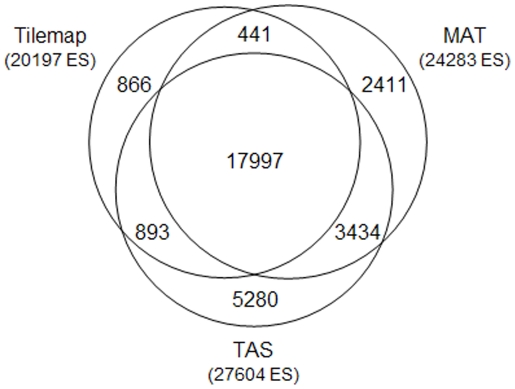
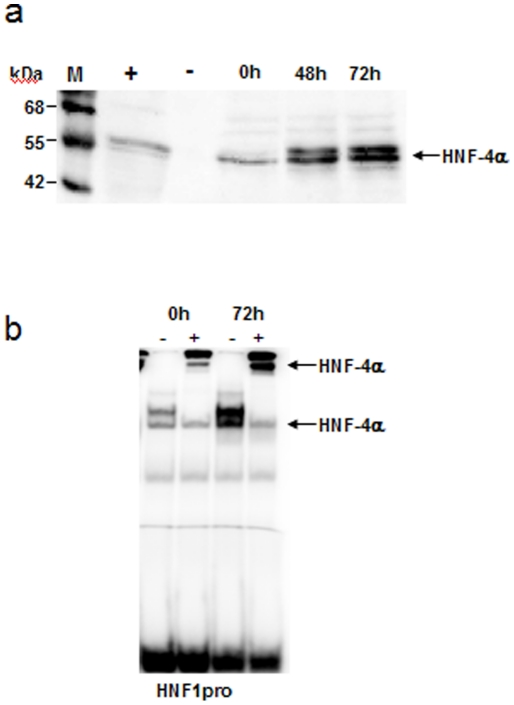
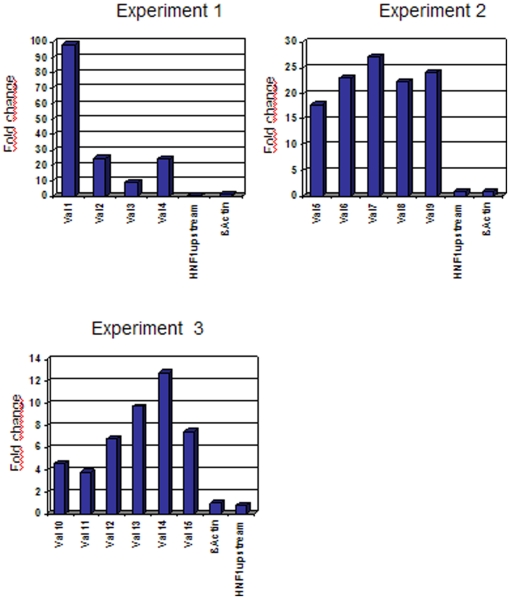
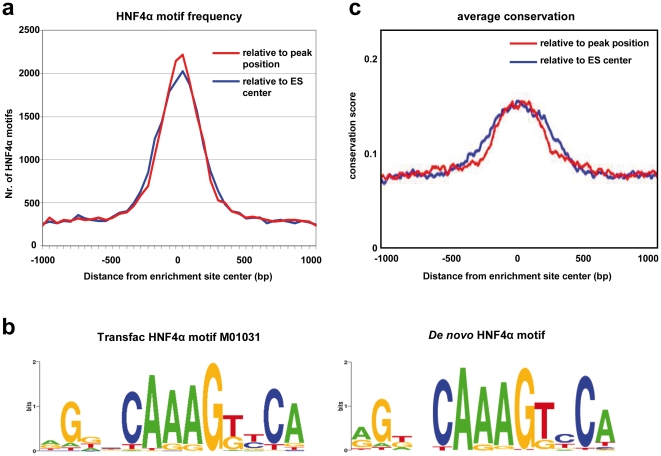
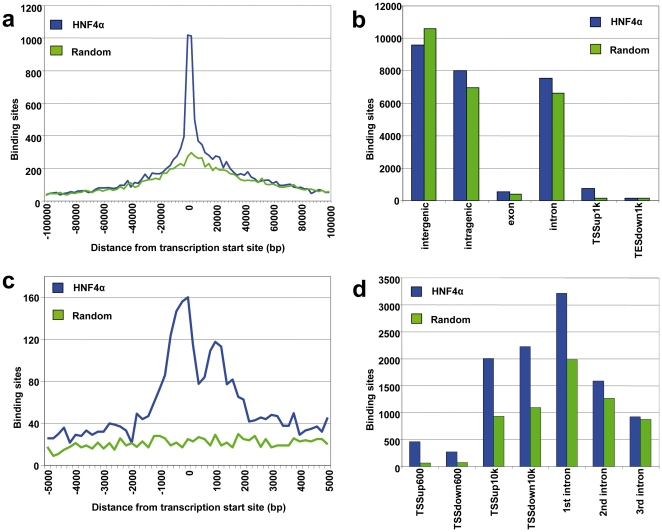
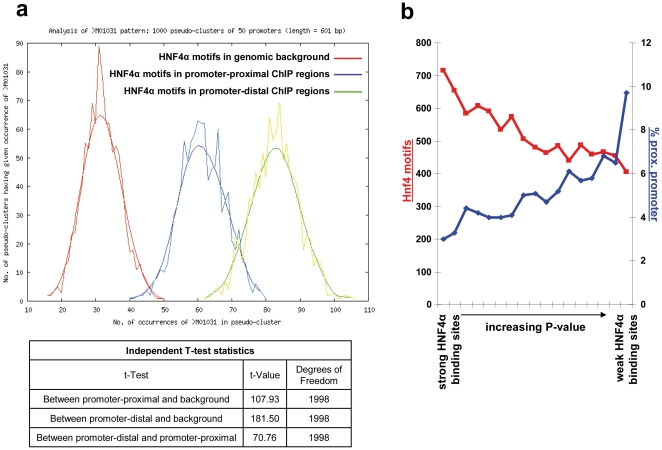
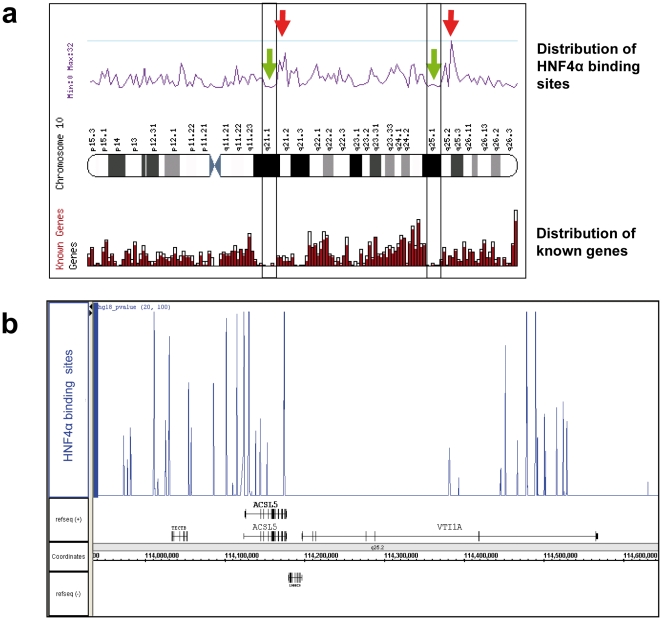
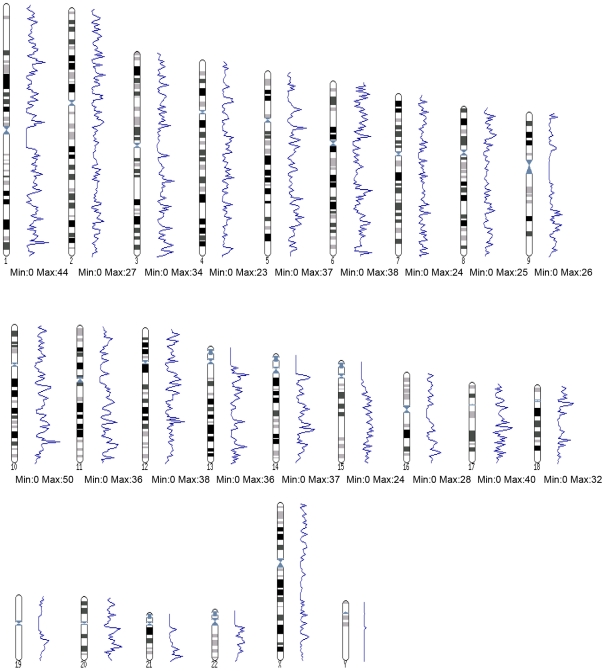
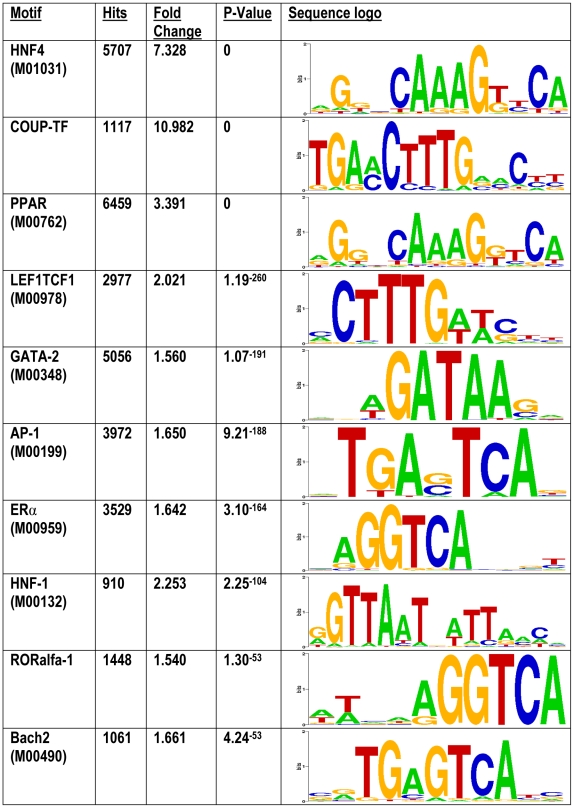
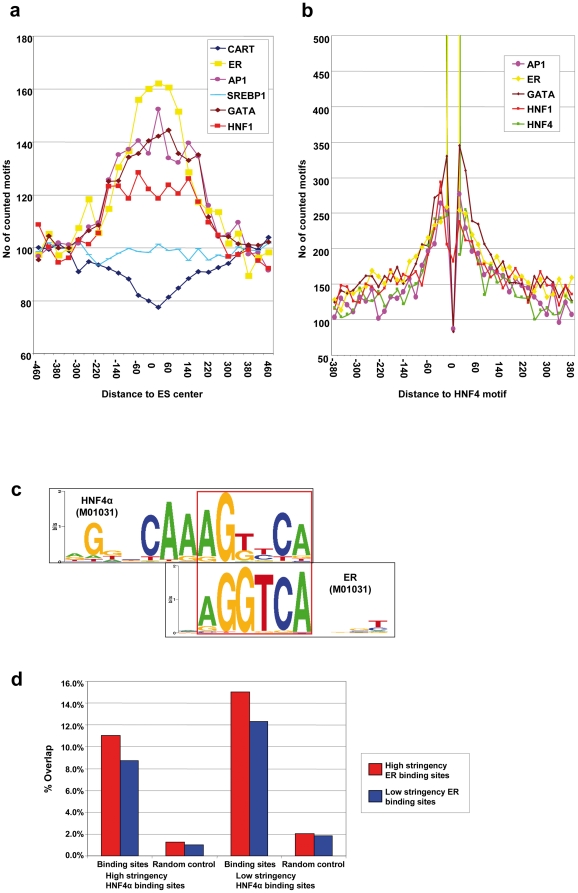
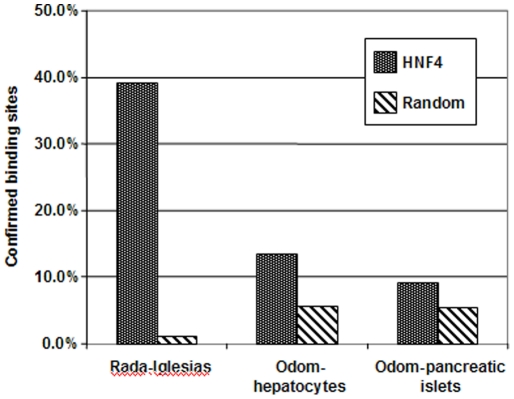
The hepatic nuclear factor HNF4α is a versatile transcription factor and controls expression of many genes in development, metabolism and disease. To delineate its regulatory gene network in colon cancer and to define novel gene targets a comprehensive genome-wide scan was carried out at a resolution of 35 bp with chromatin IP DNA obtained from the human colon carcinoma cell line Caco-2 that is a particularly rich source of HNF4α. More than 90% of HNF4α binding sites were mapped as promoter distal sequences while enhancer elements could be defined to foster chromatin loops for interaction with other promoter-bound transcription factors. Sequence motif analysis by various genetic algorithms evidenced a unique enhanceosome that consisted of the nuclear proteins ERα, AP1, GATA and HNF1α as cooperating transcription factors. Overall >17,500 DNA binding sites were identified with a gene/binding site ratio that differed >6-fold between chromosomes and clustered in distinct chromosomal regions amongst >6600 genes targeted by HNF4α. Evidence is presented for nuclear receptor cross-talk of HNF4α and estrogen receptor α that is recapitulated at the sequence level. Remarkably, the Y-chromosome is devoid of HNF4α binding sites. The functional importance of enrichment sites was confirmed in genome-wide gene expression studies at varying HNF4α protein levels. Taken collectively, a genome-wide scan of HNF4α binding sites is reported to better understand basic mechanisms of transcriptional control of HNF4α targeted genes. Novel promoter distal binding sites are identified which form an enhanceosome thereby facilitating RNA processing events.
肝细胞核因子 HNF4α 是一种多功能转录因子,可控制发育、代谢和疾病过程中许多基因的表达。为了描绘其在结肠癌中的调控基因网络,并定义新的基因靶点,我们对人结肠癌细胞系 Caco-2 中的染色质 IP DNA 进行了分辨率为 35bp 的全基因组扫描,该细胞系富含 HNF4α。超过 90%的 HNF4α 结合位点被映射为启动子远端序列,而增强子元件可以定义为促进与其他启动子结合的转录因子相互作用的染色质环。通过各种遗传算法进行的序列 motif 分析证明,独特的增强子由核蛋白 ERα、AP1、GATA 和 HNF1α 作为协同转录因子组成。总共鉴定出 >17500 个 DNA 结合位点,其基因/结合位点比在染色体之间相差 >6 倍,并在 >6600 个 HNF4α 靶向基因中聚类在不同的染色体区域中。研究结果表明,HNF4α 和雌激素受体 α 之间存在核受体相互作用,并且在序列水平上得到了重现。值得注意的是,Y 染色体缺乏 HNF4α 结合位点。在不同 HNF4α 蛋白水平的全基因组基因表达研究中,富集位点的功能重要性得到了证实。总的来说,我们报告了 HNF4α 结合位点的全基因组扫描,以更好地理解 HNF4α 靶向基因转录调控的基本机制。新发现的启动子远端结合位点形成了一个增强子,从而促进了 RNA 加工事件。