Monterey Bay Aquarium Research Institute, Moss Landing, California, United States of America.
PLoS One. 2011;6(8):e22522. doi: 10.1371/journal.pone.0022522. Epub 2011 Aug 1.
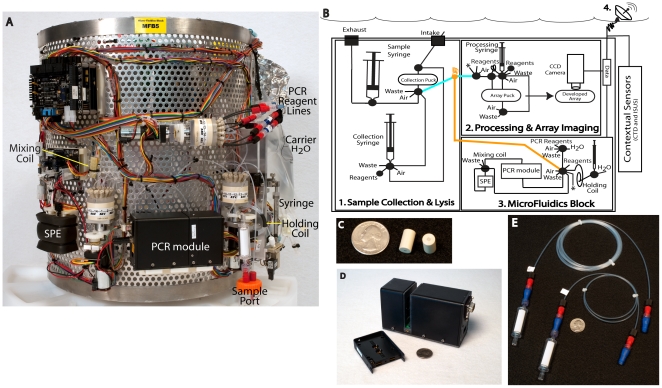
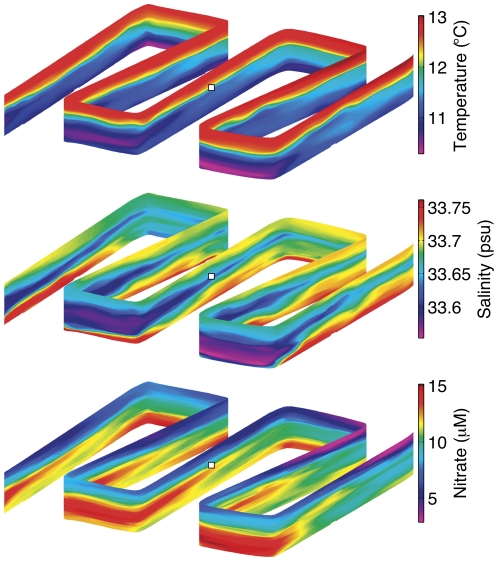
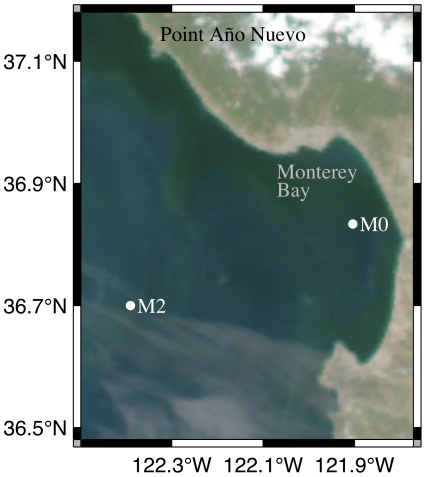
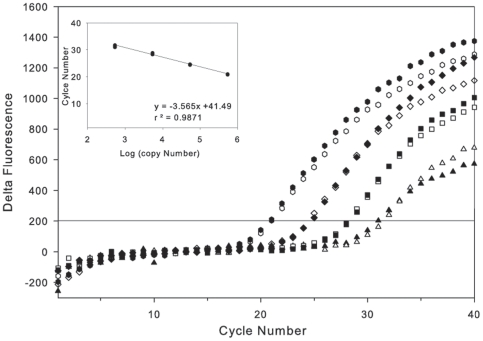
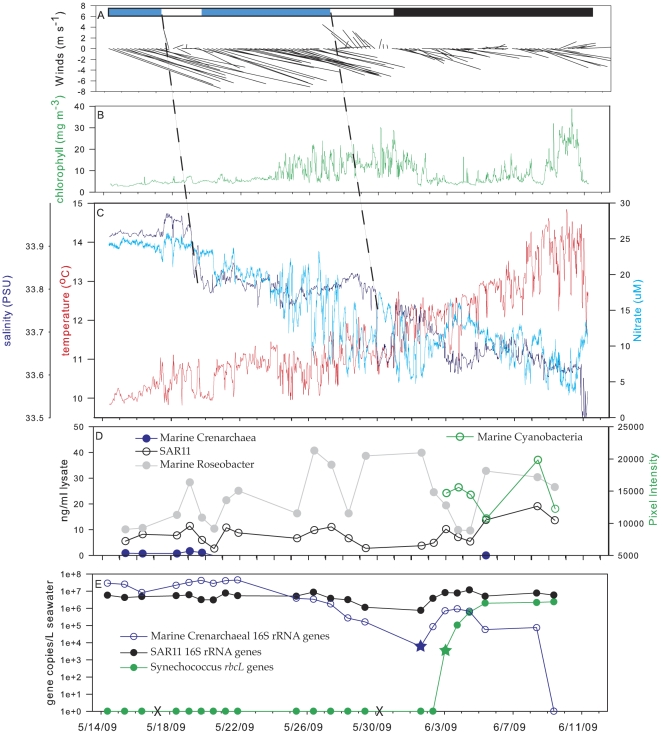
The Environmental Sample Processor (ESP) is a device that allows for the underwater, autonomous application of DNA and protein probe array technologies as a means to remotely identify and quantify, in situ, marine microorganisms and substances they produce. Here, we added functionality to the ESP through the development and incorporation of a module capable of solid-phase nucleic acid extraction and quantitative PCR (qPCR). Samples collected by the instrument were homogenized in a chaotropic buffer compatible with direct detection of ribosomal RNA (rRNA) and nucleic acid purification. From a single sample, both an rRNA community profile and select gene abundances were ascertained. To illustrate this functionality, we focused on bacterioplankton commonly found along the central coast of California and that are known to vary in accordance with different oceanic conditions. DNA probe arrays targeting rRNA revealed the presence of 16S rRNA indicative of marine crenarchaea, SAR11 and marine cyanobacteria; in parallel, qPCR was used to detect 16S rRNA genes from the former two groups and the large subunit RuBisCo gene (rbcL) from Synecchococcus. The PCR-enabled ESP was deployed on a coastal mooring in Monterey Bay for 28 days during the spring-summer upwelling season. The distributions of the targeted bacterioplankon groups were as expected, with the exception of an increase in abundance of marine crenarchaea in anomalous nitrate-rich, low-salinity waters. The unexpected co-occurrence demonstrated the utility of the ESP in detecting novel events relative to previously described distributions of particular bacterioplankton groups. The ESP can easily be configured to detect and enumerate genes and gene products from a wide range of organisms. This study demonstrated for the first time that gene abundances could be assessed autonomously, underwater in near real-time and referenced against prevailing chemical, physical and bulk biological conditions.
环境样本处理器 (ESP) 是一种能够在水下自主应用 DNA 和蛋白质探针阵列技术的设备,可用于原位远程识别和定量海洋微生物及其产生的物质。在这里,我们通过开发和整合一个能够进行固相核酸提取和定量 PCR (qPCR) 的模块,为 ESP 增加了功能。仪器收集的样本在与核糖体 RNA (rRNA) 直接检测和核酸纯化兼容的离液缓冲液中进行匀浆。从单个样本中,同时确定了 rRNA 群落图谱和选定基因的丰度。为了说明这种功能,我们重点研究了常见于加利福尼亚州中部海岸的浮游细菌,这些细菌的数量根据不同的海洋条件而变化。针对 rRNA 的 DNA 探针阵列揭示了海洋腔肠菌、SAR11 和海洋蓝细菌的存在 16S rRNA 指示;同时,qPCR 用于检测前两组的 16S rRNA 基因和聚光叶绿素合酶基因(rbcL)从 Synecchococcus。配备 PCR 的 ESP 在蒙特雷湾的一个沿海系泊处部署了 28 天,正值春季-夏季上升流季节。目标浮游细菌群的分布与预期相符,除了在异常富含硝酸盐、低盐度的水中海洋腔肠菌的丰度增加外。这种意外的共存证明了 ESP 在检测新事件方面的实用性,相对于以前描述的特定浮游细菌群的分布。ESP 可以轻松配置为检测和计数来自广泛生物体的基因和基因产物。本研究首次证明,基因丰度可以自主、水下实时评估,并与流行的化学、物理和总体生物条件相关联。